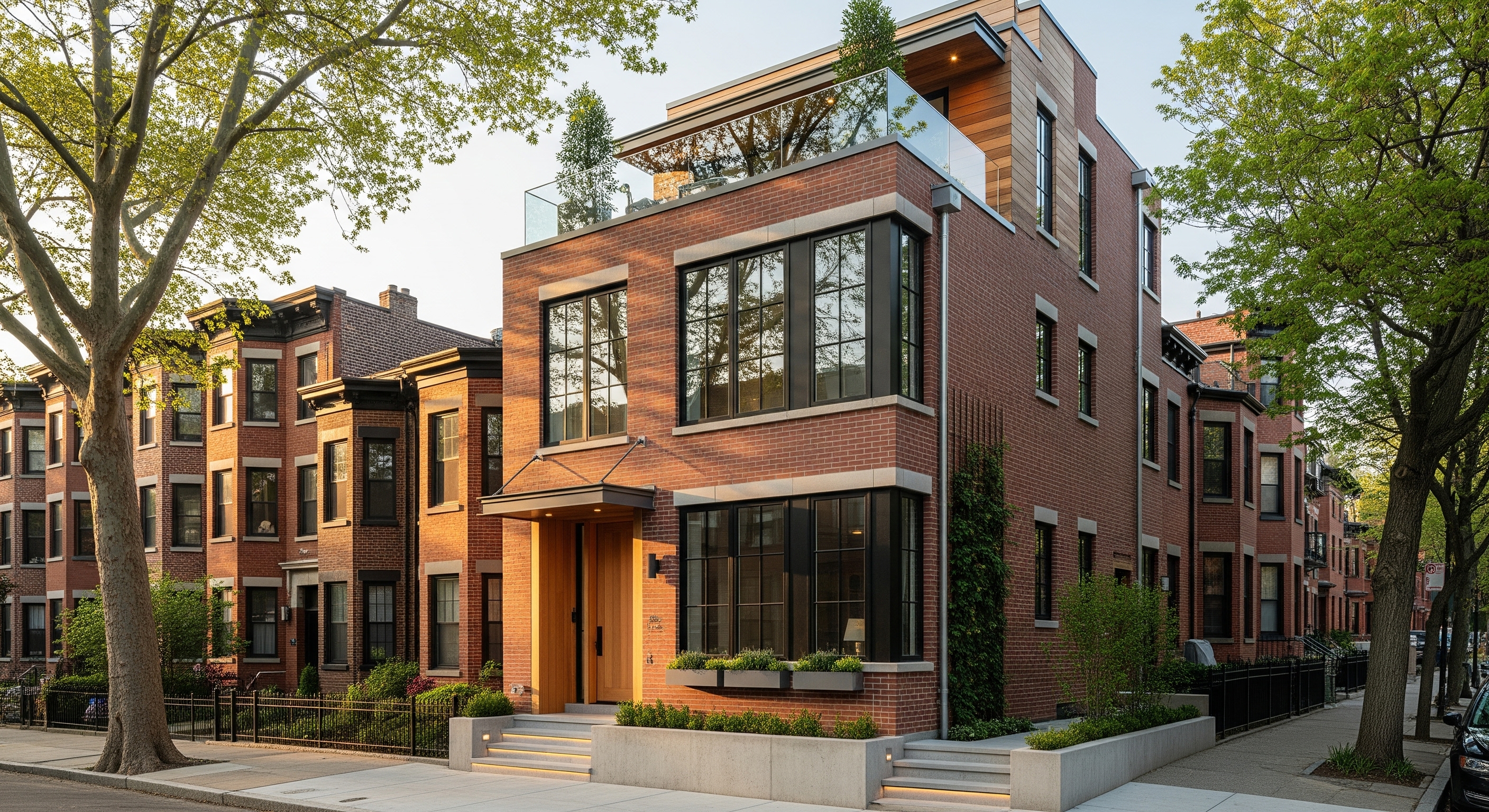
If you own or are eyeing a small lot or triple-decker in Dorchester, even a modest change like a rear deck or attic buildout can trigger a surprising amount of zoning review. You are not alone. Many Dorchester properties were built long before today’s rules, so they are legal to occupy but tricky to expand. This guide explains the Boston zoning basics that matter on small parcels, common pitfalls, and how to plan a project that has a real shot at approval. Let’s dive in.
Key zoning terms you will hear
Zoning district and use
Your parcel sits in a zoning district that controls what uses are allowed. A use can be permitted by right, allowed by special permit, or prohibited. Changing use, like adding a commercial space to a residential building, often needs board review.
Floor Area Ratio (FAR)
FAR limits how much total floor area you can build relative to your lot size. If your lot is 2,500 square feet and the district FAR is 1.0, the allowed gross floor area is 2,500 square feet across all stories. Exceeding FAR usually requires relief.
Setbacks
Setbacks are the required distances from your front, side, and rear lot lines. They control where a building or addition can sit. Porches, stair enclosures, and bump-outs often run into setback limits on small lots.
Lot coverage and impervious surface
These rules cap the portion of your lot that can be covered by the building footprint or hard surfaces. They matter for rear additions, widened driveways, and patios.
Height and stories
Districts set maximum height or story counts. A full new story or some rooftop structures can push you over the limit and require relief.
Minimum lot area per dwelling unit
Some districts require a certain amount of lot area for each unit. Many Dorchester three-families do not meet current standards because the buildings predate modern zoning. Adding a unit on a small lot commonly needs board approval.
Parking requirements
Minimum off-street parking can apply. In transit-accessible areas, reductions may be possible, but you must request them through the review process and show how impacts are addressed.
Nonconforming structure or use
If your building predates current rules, it may be legally nonconforming. You can usually keep using it, but expanding or intensifying it can trigger review. Enlargements or changes often require approval.
Variance vs special permit
A variance is relief from strict rules when a unique property hardship exists. A special permit allows certain uses or dimensional exceptions if you meet specific criteria and conditions. Both are discretionary and require public review.
Certificate of Occupancy and permits
Past permits and the Certificate of Occupancy tell you what is legally authorized today. They are key for confirming unit counts and whether past alterations were approved.
How these rules hit Dorchester small lots
Why triple-deckers face friction
Dorchester is full of early 20th-century multi-family buildings on tight parcels. Common friction points include limited lot area per unit, low allowable FAR compared to modern layouts, tight side and rear setbacks, and height caps that limit attic conversions or full third-story additions. Parking and egress can also be constraints on narrow sites.
Typical scenarios and what they trigger
- Adding a dwelling unit, like converting a basement to a fourth unit: Often hits lot area per unit and density limits. Expect Zoning Board of Appeal review and building code upgrades for egress, ceiling height, and fire separation.
- Rear or vertical addition to add living space: Can exceed FAR, lot coverage, height, or push into setbacks. Expanding a nonconforming structure commonly needs relief.
- Roof deck or enclosed stair to the roof: May exceed height caps or trigger special rooftop rules. Neighbor privacy and visibility are common review topics.
- Creating off-street parking or widening a driveway: Can increase lot coverage and require a curb cut. Near transit, parking reductions may be possible but still require formal review.
- Legalizing an unpermitted unit: You must resolve zoning and building code issues. In some cases it cannot be legalized without relief and upgrades.
A quick FAR example
- Lot: 2,500 square feet.
- FAR limit (example): 1.0. Allowed gross floor area: 2,500 square feet.
- With three floors, that averages about 833 square feet per floor to stay within the cap.
- If the building already contains 3,000 square feet, it is nonconforming for FAR. Adding an 800 square foot rear addition would increase the nonconformity and almost certainly require relief. Always check your actual district values.
Who reviews what and when
Inspectional Services Department (ISD)
ISD issues building permits, enforces the state building code, and handles Certificates of Occupancy. ISD will tell you if your plan is by right or if you need zoning relief.
Zoning Board of Appeal (ZBA)
The ZBA hears requests for variances and special or conditional permits. This is the typical path for dimensional relief like setbacks, FAR, lot area per unit, height, and changes of use. Enlarging a nonconforming structure often lands here.
Boston Planning & Development Agency (BPDA)
BPDA manages larger project review and provides zoning interpretations and mapping. Big new builds, major additions, or demolitions can trigger BPDA review. Small renovations usually follow the ISD and ZBA path.
Other reviews you may encounter
- Historical or neighborhood conservation overlays can add design review and limit exterior changes.
- Conservation review may apply in floodplain or wetlands areas.
- Transportation and Public Works may review curb cuts and driveways.
- Neighborhood civic groups are not regulatory but often participate in hearings.
Variance or special permit? A simple guide
- Variance: Used when strict rule compliance creates a hardship unique to the property and not self-created. Standards are strict and decisions are discretionary.
- Special permit: Used where the code allows a use or dimensional exception if criteria are met and impacts are mitigated. Conditions often apply.
Timelines to expect
- ZBA relief: Commonly several months from filing to decision. Three to six months is a typical planning window, and it can take longer.
- Building permits: Minor work can move in weeks. Major renovations or new construction can take months depending on completeness and scope.
- BPDA review: Larger projects can run several months to a year depending on scale and community process.
Due diligence before you buy or build
Quick checklist
- Confirm the zoning district and whether your use is allowed by right or needs relief.
- Review district rules for FAR, setbacks, height, lot area per unit, and parking.
- Verify the legal status: nonconforming or conforming, recorded variances or special permits.
- Pull the Certificate of Occupancy and past permits to confirm unit count and prior approvals.
- Check for overlays like historic districts or floodplain.
- Look for easements, deed restrictions, or past violations.
- Note transit access, which can influence parking expectations and review outcomes.
Questions to ask a zoning-savvy pro
- Will the plan meet FAR, setbacks, lot coverage, height, and parking rules as drawn?
- If nonconformities exist, is a variance or a special permit the more realistic path?
- What is the likely reception at the ZBA based on recent neighborhood decisions?
- Are there design alternatives that reduce or avoid relief, like internal reconfiguration instead of a volume increase?
- What building code upgrades will be required for egress, fire separation, or accessibility?
Who to hire and why
- Architect or designer: Early massing studies, FAR and setback checks, drawings for filings, and community presentations.
- Land surveyor: Confirms lot lines and prepares existing conditions plans that filings require.
- Zoning attorney or consultant: Interprets rules, crafts relief strategy, and represents you at hearings.
- Structural engineer: Ensures additions and foundation changes are feasible and safe.
- Permitting expeditor or project manager: Coordinates filings across ISD, ZBA, BPDA, and other agencies.
- Contractor with local experience: Prices the work and sequences construction around permitting milestones.
Strategies to reduce risk
- Prefer interior reconfiguration that does not increase volume when possible.
- Right-size rooftop access with smaller bulkheads and stay within height limits.
- If seeking parking reductions, document transit options and propose transportation demand measures.
- Review recent ZBA decisions in your area to understand what has been approved.
- Verify prior permits and COs early to avoid surprises late in the process.
Next steps for Dorchester owners
If you are weighing a unit addition, attic conversion, rear bump-out, or a roof deck on a small lot, start with the basics. Confirm your district rules, measure your existing conditions, and talk with an architect or zoning attorney before you commit to a design. That early groundwork can save months of time and thousands of dollars.
If you want a second set of eyes on a plan or you are considering a purchase with expansion potential, our local team can help you scope the path, assemble the right pros, and time the market. Reach out to Pondside Realty to talk through your options.
FAQs
What does FAR mean for a small Dorchester lot?
- FAR limits total gross floor area compared to lot size. On tight parcels, FAR can cap additions or require relief if you exceed the district’s limit.
When do I need the Zoning Board of Appeal in Boston?
- You typically go to the ZBA if you exceed FAR or setbacks, increase height, add a dwelling unit, change use, or expand a nonconforming structure.
Can I add a fourth unit to a Dorchester three-family?
- Often not by right. Adding a unit usually triggers minimum lot area per unit and density limits, so you should expect to seek relief and meet building code upgrades.
Do roof decks on triple-deckers require approval?
- Many do. Height limits and rooftop rules can apply, and neighbors may raise privacy and visibility concerns. Relief and notice are common.
How long does zoning relief usually take in Boston?
- A typical ZBA process takes several months from filing to decision. Plan for three to six months or more depending on scope and schedules.