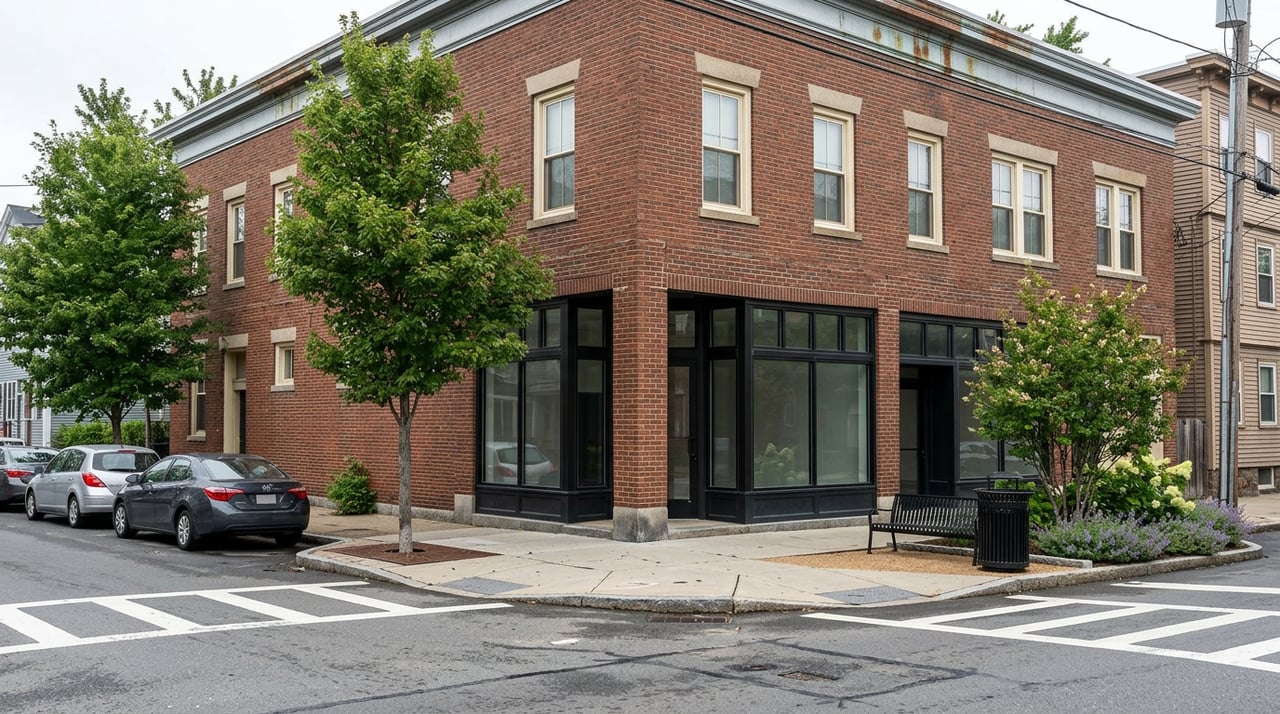
What does an easy Dorchester day look like for you? Maybe it starts with coffee near the T, a quick Red Line ride to work, and a sunset walk by the river before dinner on Dorchester Avenue. If you want a neighborhood that blends lively main streets with real daily convenience, Dorchester’s village centers deliver. In this guide, you’ll learn how each center feels, how people get around, where they unwind, and what local homes look like. Let’s dive in.
What makes Dorchester’s village centers tick
Dorchester is Boston’s largest neighborhood, made up of many smaller business districts that act like their own “villages.” These nodes stretch along Dorchester Avenue, Columbia Road, Washington Street, and Morrissey Boulevard, and they are supported by active Main Streets and merchant groups. For a high-level snapshot of the neighborhood’s layout and planning context, start with the Boston Planning & Development Agency’s Dorchester overview on BostonPlans.
Each center has its own rhythm. Some lean busy and transit-oriented. Others are quieter and near the river or harbor. All share a common thread: everyday services within a short walk, plus easy connections to the rest of Boston.
A quick tour of key centers
Fields Corner
Fields Corner sits at the intersection of Dorchester Avenue and Adams Street and is one of Dorchester’s largest business districts. According to Fields Corner Main Streets, the corridor includes more than 200 local businesses, with a strong mix of independent shops and restaurants. The Red Line station here is also a major bus transfer point, which makes errands and commutes straightforward.
How locals use it:
- Transit: Red Line at Fields Corner, frequent bus connections.
- Daily stops: independent grocers, small markets, cafes, and services along Dot Ave.
- Green time: short rides to parks on Meetinghouse Hill or toward the river.
Ashmont and Peabody Square
Anchored by the Ashmont Red Line station and the Mattapan trolley connection, this center feels like a compact hub with cafes, restaurants, and small shops around the square. Greater Ashmont’s community programming, such as regular music and seasonal events, adds to the village feel. Parking and short walks between daily services make quick errands easy.
How locals use it:
- Transit: Ashmont Red Line terminus and Mattapan trolley.
- Daily stops: coffee, prepared foods, pharmacy, and services within a few blocks.
- Green time: neighborhood playgrounds and tree-lined side streets for quick walks.
Upham’s Corner
Upham’s Corner is a historic civic and retail center with the Strand Theatre as a cultural anchor. The area’s Main Streets organization and planning materials highlight it as an Arts and Innovation District, and the Fairmount commuter-rail corridor adds another travel option here. Learn more about cultural programming and local business support through Upham’s Corner Main Street.
How locals use it:
- Transit: Fairmount Line commuter rail and bus routes along Columbia Road.
- Daily stops: small retailers, services, and civic uses like libraries and health centers nearby.
- Green time: pocket parks and short bus or bike hops to waterfront paths.
Lower Mills and Neponset
Lower Mills, near the Neponset River and the Milton line, blends village charm with quick outdoor access. Residents use the multi-use paths, boardwalks, and open spaces along the Lower Neponset River Trail and Pope John Paul II Park for everyday walks and bike rides. For trail details and maps, see the Neponset River Greenway page.
How locals use it:
- Transit: Ashmont branch stations a short ride away; local buses connect the dots.
- Daily stops: small markets, neighborhood restaurants, and services along Dorchester Ave.
- Green time: riverside trails for biking, jogging, and weekend strolls.
Savin Hill and Clam Point
Savin Hill offers a Red Line stop and quick access to Dorchester Bay and the Harborwalk. Clam Point includes pockets of older single-family homes and water views, which draw people who want a residential feel near beaches and skyline glimpses. You get a mix of quiet streets and easy access to city life.
How locals use it:
- Transit: Savin Hill Red Line station, bike-friendly routes toward the waterfront.
- Daily stops: corner markets, cafes, and services on or near Dot Ave.
- Green time: shoreline paths, neighborhood beaches, and harbor breezes.
Getting around without stress
The Red Line’s Ashmont branch is the backbone for many Dorchester commuters, with stations at Savin Hill, Fields Corner, Shawmut, and Ashmont. Trains split at JFK/UMass, and typical rides from this corridor into central Boston are often within an 8 to 20 minute range depending on your origin and time of day. For system context and station lists, review the MBTA Red Line overview.
Bus routes knit the villages together. Fields Corner, Ashmont, and Upham’s Corner function as transfer hubs, so you can hop a quick bus to the T or across neighborhoods for errands. Upham’s Corner and parts of North Dorchester also benefit from the Fairmount Line for trips that do not line up with subway service.
If you bike or walk, the Neponset River Greenway is a popular way to move between Lower Mills, Port Norfolk, and Mattapan, with connections toward Tenean Beach. The paths are used for both errands and recreation. You get flat, scenic mileage plus neighborhood linkages that make everyday trips pleasant.
Service advisories are part of city life. The Ashmont branch and the Mattapan trolley have seen targeted closures and track work in recent years for upgrades. Local outlets tracked these periods closely, including reporting on shutdowns and shuttle patterns. It is smart to check MBTA advisories before a new commute.
Daily errands, food, and open space
Dorchester’s retail fabric revolves around small businesses. Main Streets groups promote local storefronts, business directories, and street festivals that keep village corridors active. Fields Corner, for example, is a busy mix of immigrant-owned shops and restaurants supported by Fields Corner Main Streets. In Upham’s Corner, the Strand Theatre and neighborhood arts programming add cultural options close to home through Upham’s Corner Main Street.
For groceries and essentials, you will find independent grocers, small markets, pharmacies, and specialty food shops in most centers. Community health centers and the Dorchester YMCA are also important anchors for everyday fitness and care.
Parks and waterfront access round out daily life. Ronan Park on Meetinghouse Hill is undergoing design and renovation work to improve playgrounds, accessible paths, and courts. The City’s project page tracks timelines and community meetings for the Ronan Park improvements. Along the river, the Neponset River Greenway and Pope John Paul II Park offer miles of trails and open space for after-work jogs and weekend picnics.
Housing styles and a price snapshot
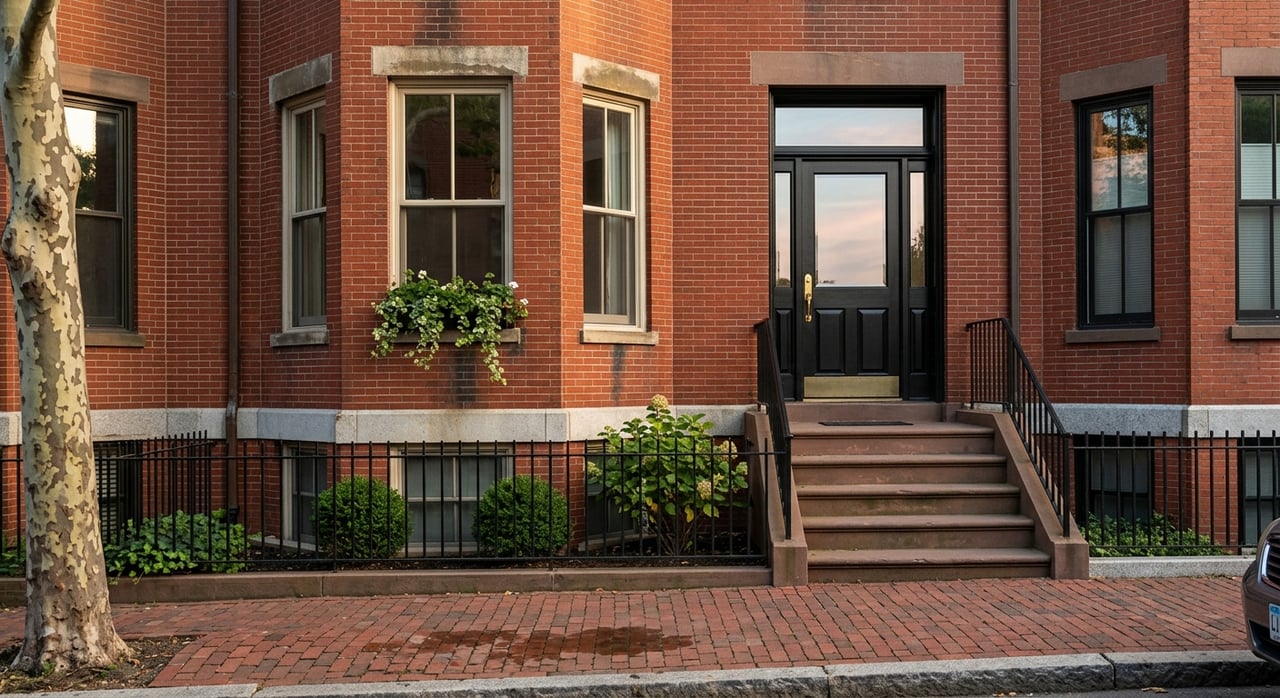
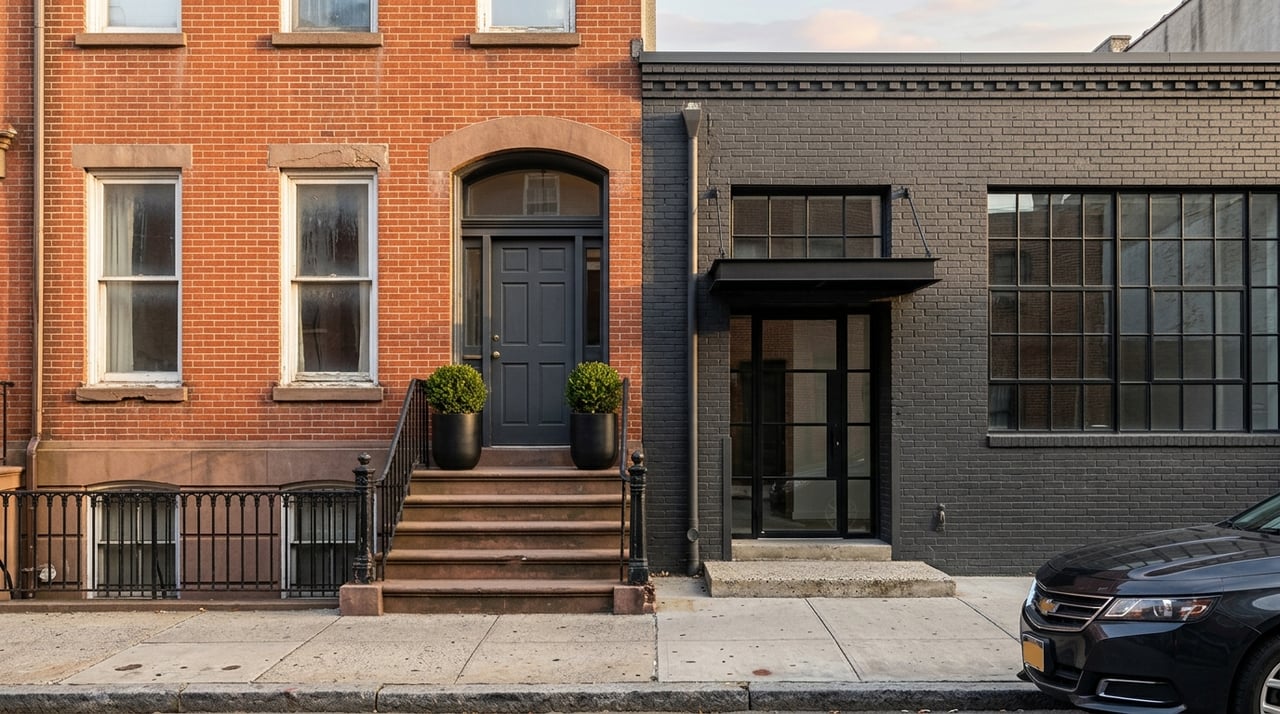
Dorchester’s housing is classic Boston, with a strong presence of triple-deckers, historic rowhouses, Victorian single-family pockets, and newer multiunit buildings. Triple-deckers are a defining “missing-middle” type here, known for stacked porches and flexible floor plans that can work for owner-occupants and investors. For context on why this form matters in Boston, read the Lincoln Institute’s summary of Boston’s beloved triple-deckers.
Prices move month to month, but a practical rule of thumb is that many Dorchester subareas track in the low to mid 600s for typical home values. Zillow’s neighborhood pages for North and South Dorchester showed recent figures in that range in early 2026. Always check current MLS data and recent comps before you set a budget since conditions change quickly.
What this means for you:
- Owner-occupants: Triple-deckers and small condos can offer space and flexibility near transit.
- Small investors: Two and three-family homes are common, with unit mixes that can support rent rolls.
- Newer builds: You will find select modern condos and multifamily options, often near main corridors.
What is changing next
Big projects will shape daily life over the coming years. At Columbia Point, the BPDA approved the multi-phase master plan for Dorchester Bay City in September 2023. The plan outlines a large mixed-use waterfront redevelopment with residential, office, lab space, and public open space, plus resilience measures and potential station-area improvements at JFK/UMass. You can review the approval update on the BPDA site for Dorchester Bay City.
Closer to home, station-area and streetscape work, along with park improvements, will continue to change how you move around and use public space. Fields Corner has seen station and circulation improvements in recent years, and parks like Ronan Park are getting upgraded amenities. These investments usually roll out over multiple years, so expect gradual but real quality-of-life gains.
Is Dorchester a fit for you?
If you want a neighborhood that feels like a small city inside the city, Dorchester’s village centers are worth a look. You get walkable main streets, diverse local businesses, transit access, and green space within reach. The housing stock gives you options, whether you are buying your first condo, moving into a triple-decker, or weighing a small multifamily as an investment.
Curious where to start? Talk with a local team that knows these streets and understands both owner-occupant and investor goals. If you are ready to tour villages, compare home styles, or price out your next move, connect with Pondside Realty. We will help you map your day-to-day life to the right block and the right home.
FAQs
What is everyday life like in Dorchester’s village centers?
- You get walkable main streets with small businesses, quick access to parks and waterfront paths, and reliable transit that makes commutes and errands simple.
Which Dorchester centers have Red Line access?
- Savin Hill, Fields Corner, Shawmut, and Ashmont sit on the Ashmont branch of the Red Line, with frequent bus links to other villages.
How long is the Dorchester commute to downtown Boston?
- Typical Red Line rides from the Ashmont branch to downtown often fall in the 8 to 20 minute range depending on the station and time of day.
What kinds of homes will I find in Dorchester?
- Triple-deckers are common, along with historic rowhouses, Victorian single-family pockets in areas like Ashmont Hill and Clam Point, and newer multiunit buildings.
How much do homes cost in Dorchester right now?
- Many subareas trend in the low to mid 600s for typical values, but prices shift monthly; always check current MLS comps before you set your budget.
What future projects could change everyday life here?
- The multi-phase Dorchester Bay City plan at Columbia Point and ongoing station and park upgrades are set to add jobs, open space, and transit improvements over time.