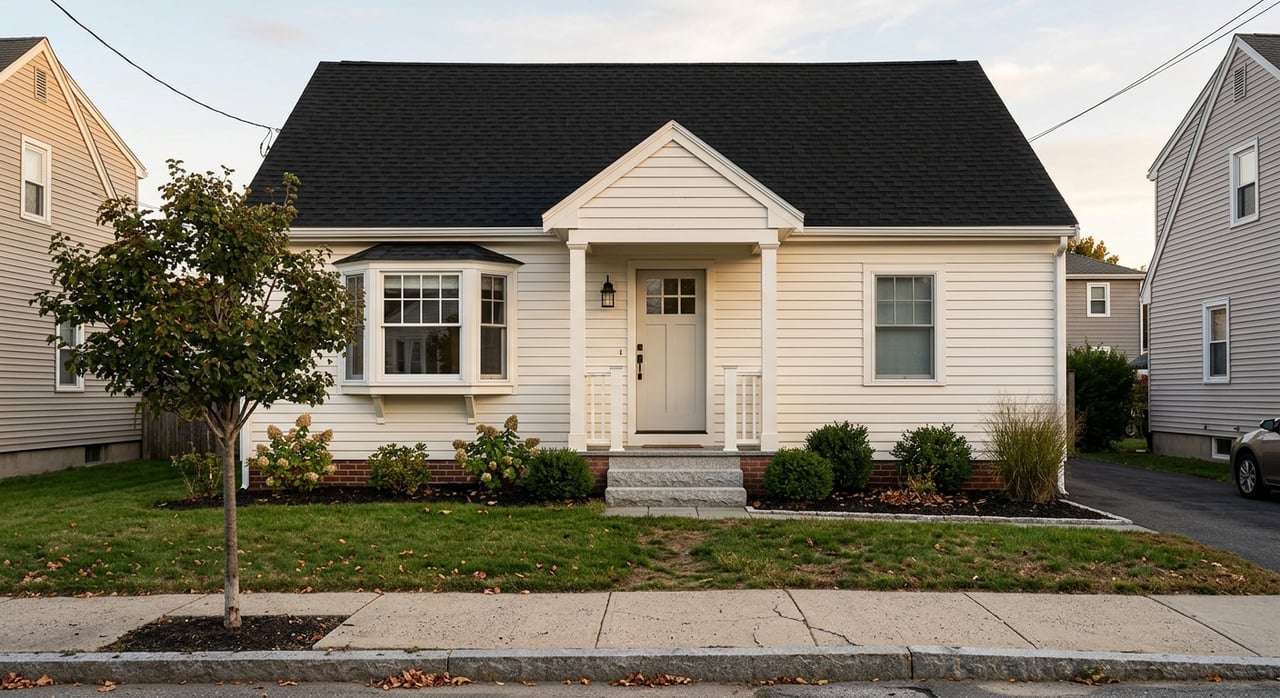
If you want a single-family home in Boston without giving up yard space, Hyde Park deserves a close look. For many buyers, it offers a mix that can be hard to find: a more residential feel, larger lots than many parts of the city, and commuter access that still keeps you connected to downtown. This guide walks you through what to expect from Hyde Park’s housing stock, market pace, commute options, inspections, and buying strategy so you can make a smarter move. Let’s dive in.
Why Hyde Park Stands Out
Hyde Park is Boston’s southernmost neighborhood and the last community annexed to the city in 1912. According to Boston Planning, it combines a quiet suburban feel with historic buildings, mid-twentieth-century single-family homes, and commuter rail access to downtown.
It is also a strongly residential neighborhood. Boston Planning notes that more than 30,000 people live in Hyde Park, with local commercial activity centered around Cleary and Logan Squares. The same source reports that 89% of residents lived in the same housing unit one year earlier, which points to a level of neighborhood stability many buyers value.
What Single-Family Buyers Will See
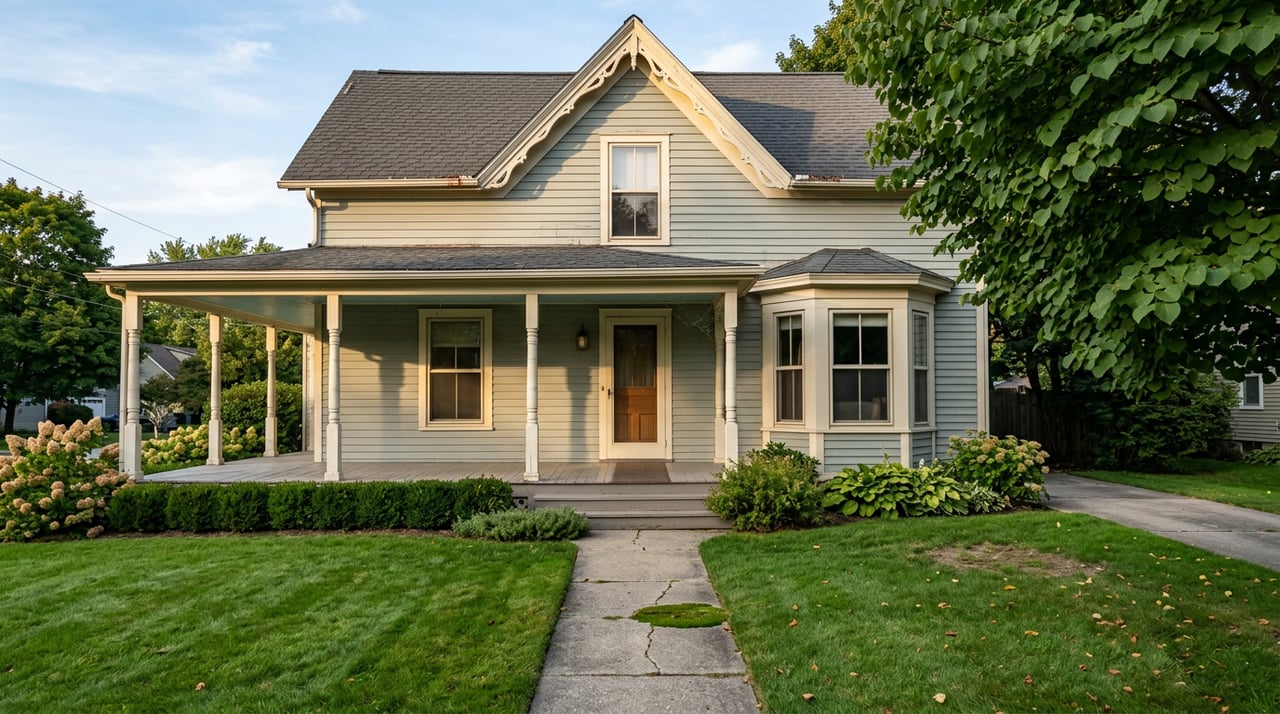
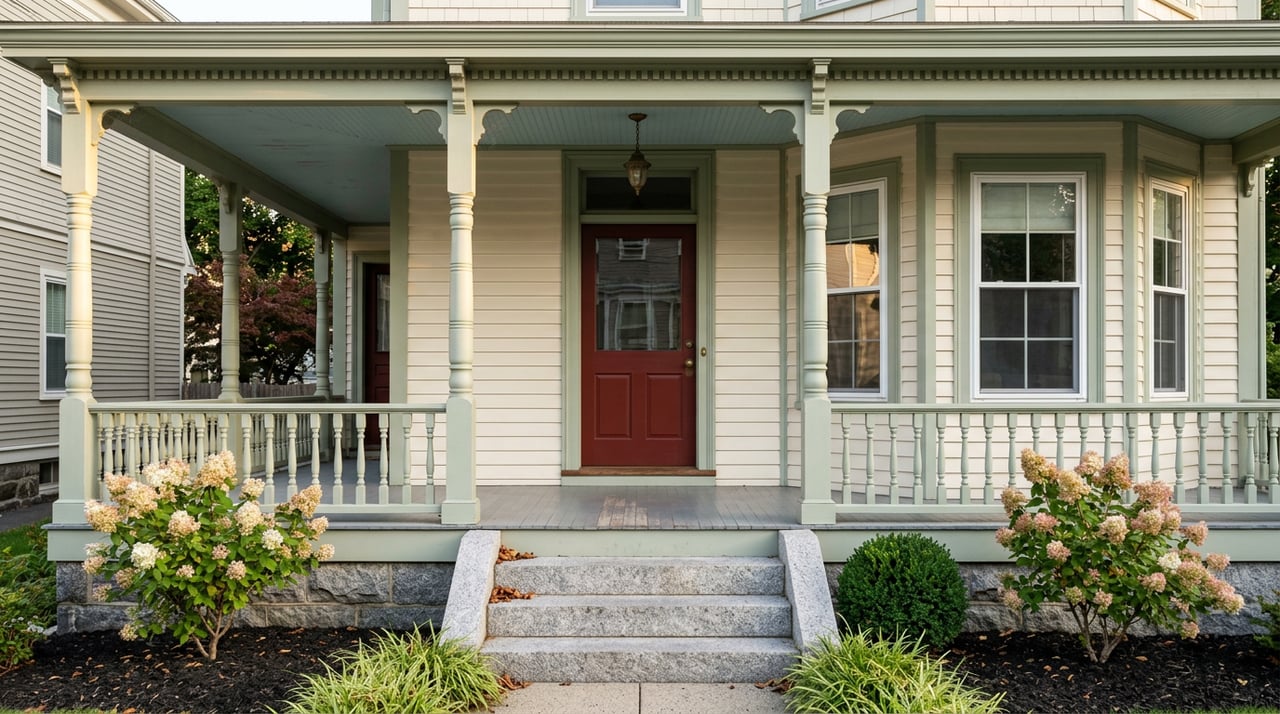
Hyde Park’s single-family housing is not one-note. Depending on the street and section of the neighborhood, you may find older homes with historic architectural details, later Colonial Revival styles, and mid-century properties in more suburban-feeling pockets.
Boston’s Article 69 zoning and design guidelines identify distinct design-overlay areas in Hyde Park. In Haleyville and Webster Square, the housing includes Italianate, Queen Anne/Colonial Revival, and Colonial Revival homes. In Fairmount, the neighborhood character includes an Italianate core, later Mansard and Gothic Revival dwellings, plus some mid-20th-century cul-de-sac infill.
That variety matters when you tour homes. Two single-family properties with similar square footage can feel very different depending on the block, lot shape, age of the home, and whether the surrounding streetscape is more historic or more mid-century.
Lot Sizes Offer More Room
One of Hyde Park’s biggest draws is space. Boston’s residential land-use report shows a median single-family lot size of 5,706 square feet in Hyde Park, compared with 4,899 square feet citywide.
That does not mean every property will feel expansive, but it does support a practical buyer takeaway: in Hyde Park, you may be able to find more yard, setback, or outdoor flexibility than in many denser Boston neighborhoods. If you want room for gardening, play space, pets, or future outdoor improvements, lot size is one of Hyde Park’s strongest talking points.
Older Homes Need Closer Review
Space comes with tradeoffs. ATTOM reports a median age of 75 years for Hyde Park single-family homes, which means many buyers will be shopping in an older housing stock.
Older homes can offer charm, mature lots, and established streetscapes, but they also call for a careful look at condition. Roof age, heating systems, electrical updates, windows, drainage, and prior maintenance history often matter more here than they would in a newer suburban subdivision.
As you compare properties, try to think beyond finishes. A kitchen can be updated later, but major systems, structural issues, and deferred maintenance can affect both your budget and your timeline.
Hyde Park Market Conditions to Expect
Recent data points to a competitive single-family market. The Massachusetts Association of REALTORS® July 2025 Hyde Park report shows 5 homes for sale, 0.9 months of supply, a year-to-date median sales price of $715,000, and homes selling for 104.6% of original list price year to date.
At the same time, ATTOM reports a median home price of $600,000 over the past year and 260 residential sales in Hyde Park. These figures should not be treated as a contradiction so much as a reminder that price snapshots can vary based on time period, property mix, and methodology.
The plain-English takeaway is this: Hyde Park single-family homes are generally trading in the mid-to-upper hundreds of thousands, and well-positioned homes can move quickly. Buyers should be ready for competition, especially when a property is priced well and shows strong condition.
How to Build a Smarter Offer Strategy
In a market with less than one month of supply, preparation matters. You do not need to rush blindly, but you do need to be organized before the right listing appears.
A strong approach often includes:
- Getting financing lined up before you tour seriously
- Understanding your monthly comfort zone, not just your max approval
- Reviewing comparable homes with your agent
- Deciding in advance which repair issues are manageable and which are deal-breakers
- Moving quickly when a well-matched home hits the market
This is especially important in Hyde Park because buyers are often balancing space, condition, and commute in the same decision. A home with a larger lot and strong location may attract attention fast, even if it needs some updates.
Commute and Parking Matter Here
Hyde Park offers several ways to get around, but your day-to-day routine should shape your search. Boston Planning notes that downtown Boston is accessible by commuter rail via the Fairmount or Providence lines.
The city’s Fairmount Line overview adds that this is the MBTA’s only commuter rail line entirely within Boston. Hyde Park Avenue also plays a major role in local mobility, with 5 bus routes and more than 200 buses a day according to city planning materials tied to the Southwest Boston Transit Action Plan.
At the same time, Boston says car ownership in Hyde Park is higher than the city average. That means parking, driveway configuration, and overall commute flexibility should be part of your home search from day one.
Think in Tradeoffs, Not Features
For many buyers, Hyde Park comes down to three practical tradeoffs.
Space vs. Maintenance
A larger lot can be a real advantage, but more outdoor space often means more upkeep. Older homes may also need more active maintenance than newer housing stock.
Transit vs. Car Needs
Commuter rail and bus access are valuable, but many households still rely on cars. If you drive often, pay attention to off-street parking, street layout, and how the property supports your routine.
Speed vs. Protection
In a competitive market, speed helps. But you still want to protect yourself with the right due diligence, especially when buying an older home.
Home Inspection Rules Buyers Should Know
Massachusetts updated its home-inspection rules for covered residential sales after October 15, 2025. The state says sellers and their agents generally may not condition acceptance of an offer on the buyer waiving a home inspection, and buyers must receive a separate written disclosure of the inspection right before or at the first purchase contract.
The state also says the inspection must be completed by a licensed home inspector and include a written evaluation. Its consumer guidance explains that a home inspection covers the readily accessible exposed portions of the home, which helps set realistic expectations about what an inspection can and cannot reveal.
For Hyde Park buyers, that matters because older homes often benefit from careful, informed due diligence. In a fast market, knowing your rights and staying organized can help you move decisively without skipping important protections.
Renovation and Permit Questions
If you are considering a home that needs work, it helps to understand what may come after closing. Boston’s Long-Form Permit process says major alterations or renovations that change a home’s structure or use may require a long-form permit, along with a certified plot plan and stamped plans.
The city also notes that work should not begin before the permit is issued, and some projects may need Landmarks Commission approval. In parts of Hyde Park covered by Article 69 design overlay districts, exterior work may also require design review intended to preserve and complement existing neighborhood character.
If you are buying with renovation in mind, this is one more reason to evaluate a property carefully before you close. The right house can be a great long-term fit, but timing, scope, and permitting should be part of your plan.
First-Time Buyer Help in Boston
If this is your first purchase, you may want to explore local financial assistance options. The Boston Home Center First-Time Homebuyer Program offers income-eligible down-payment grants of 3% of the purchase price up to $50,000 for buyers below 100% of AMI, or 2% up to $35,000 for buyers between 101% and 135% of AMI.
Boston Home Center also says its Homebuying 101 class is required to apply for first-time buyer financial assistance. The course covers mortgage basics, finding a home, legal aspects of buying, and working with professionals.
In Massachusetts, buyers also often choose to have their own attorney review the purchase-and-sale agreement, mortgage documents, and closing documents. That can be especially helpful when you are navigating an older property, a competitive offer situation, or both.
Hyde Park Lifestyle Beyond the House
A home purchase is not just about walls and square footage. Boston Planning highlights the Neponset River, George Wright Golf Course, and Stony Brook Reservation as major open-space amenities in Hyde Park.
For buyers who want more room while staying in Boston, that combination can be compelling. You get a neighborhood known for its residential character, useful transit links, and access to outdoor space, all while staying within city limits.
If you are trying to decide whether Hyde Park fits your next chapter, the answer often comes down to priorities. If you value lot size, a more residential setting, and a broader mix of single-family homes, Hyde Park is worth a serious look. And if you want help evaluating the block-by-block differences, market timing, and property condition questions that really shape a smart purchase, Pondside Realty is here to help.
FAQs
What makes Hyde Park single-family homes different from other Boston neighborhoods?
- Hyde Park often offers larger single-family lots than the citywide median, a strongly residential feel, and a mix of historic and mid-century housing styles.
How competitive is the Hyde Park single-family home market?
- Recent Massachusetts Association of REALTORS® data shows very low inventory at 0.9 months of supply, which suggests buyers should be prepared for competition on well-priced homes.
What should buyers inspect in older Hyde Park homes?
- Because Hyde Park single-family homes have a median age of 75 years, buyers should pay close attention to major systems, structural condition, maintenance history, drainage, and overall repair needs.
How do Hyde Park commute options affect a home search?
- Hyde Park offers commuter rail access through the Fairmount and Providence lines plus bus service along Hyde Park Avenue, but higher car ownership in the neighborhood means parking and driveway setup are also important to evaluate.
What should first-time buyers in Boston know before buying in Hyde Park?
- First-time buyers may want to review Boston Home Center down-payment assistance options, complete Homebuying 101 if eligible, and consider working with a Massachusetts real estate attorney during the transaction.