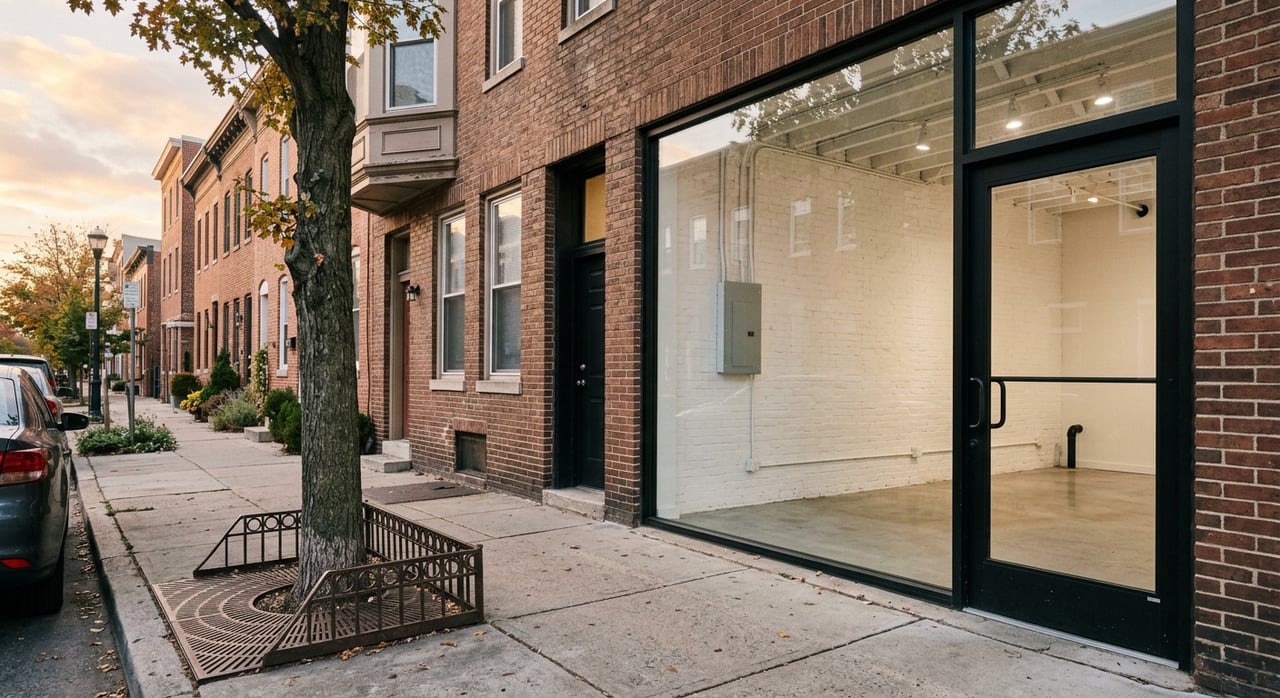
Thinking about opening a shop or cafe in the South End? You’re looking at one of Boston’s most walkable, design‑forward neighborhoods where great storefronts move fast. It can feel exciting and a little overwhelming at the same time. In this guide, you’ll learn exactly how to find, evaluate, lease, permit, and build out a retail space in the South End, with practical checklists and local timing tips. Let’s dive in.
Why the South End works for shops
The South End mixes a strong residential base with lively corridors like Tremont Street, Washington Street, Columbus Avenue, and Harrison Avenue. The SoWa arts and design district fuels periodic spikes in foot traffic and discovery. These blocks support galleries, boutiques, restaurants, and neighborhood services that attract steady walk‑in customers. You can get a quick neighborhood snapshot and planning context from the BPDA’s South End overview, which outlines local activity and anchors you can build around. See the BPDA South End “At a Glance” page.
Market snapshot: tight and competitive
Recent Greater Boston retail reports point to low vacancy and rising asking rents. That means well‑located South End storefronts are limited and competitive. For context, industry coverage shows vacancy hovering in the low single digits across the metro, which strengthens landlord leverage in prime locations. You should plan for fast decisions and clear negotiation priorities. Read more in this industry review of Boston’s low retail vacancy.
Start here: 4 quick checks
Before you fall in love with a space, run these steps so your budget and timeline stay realistic.
- Confirm permitted use and the Certificate of Occupancy. Ask the landlord for the current CO and any past approvals tied to the address.
- Ask if a Common Victualler or alcohol license sits on-site. If you plan to serve food, learn what it takes to secure a CV license on Boston’s Common Victualler licensing page.
- Get an early mechanical feasibility read. Verify electrical capacity, gas, plumbing locations, ceiling height, and whether a hood and grease system is possible for food service.
- Request three contractor bids before agreeing on a tenant improvement budget. This protects you from underestimating buildout costs in older buildings.
How to search and screen spaces
Where to look
Most available retail spaces are advertised through national commercial listing portals and brokerage sites. In parallel, use the BPDA neighborhood resources and Boston.gov business pages for zoning and permitting context before you commit to a location. On the ground, walk the target blocks at different times to observe foot traffic and merchandising conditions.
Quick walkthrough checklist
When you tour, bring a short list so you do not miss key details.
- Frontage and window length. Corner visibility usually outperforms mid‑block locations for merchandising.
- Nearby anchors and transit. Look at crossing points, bus stops, galleries, markets, and major employers that add daytime customers.
- Certificate of Occupancy and permitted use. Ask the landlord for documentation early.
- Mechanical capacity. Confirm HVAC, electrical service size, gas availability, ceiling height, plumbing locations, and grease trap access.
- Hood and exhaust routing. Check if the building has an existing chase and fire suppression tie‑ins.
- Loading, storage, trash, and ADA path of travel. Note basement access and any constraints.
- Condition of finishes vs. scope of work. Clarify what the landlord will deliver and what you must build.
- Signage rules and historic review. Much of the South End is a local historic district where exterior changes, projecting signs, awnings, and storefront modifications often need approval from the South End Landmark District Commission. Review the Boston Landmarks Commission guidance before you plan exterior work.
Measure foot traffic smartly
Spend time on the block. Do quick observational counts across 3 to 5 peak hours on different days, and compare a weekday to a SoWa‑active Sunday. Complement your notes with Google Maps Popular Times snapshots and transit proximity. The BPDA neighborhood overview can help you identify activity nodes and patterns to validate with your own observations.
Lease types and true costs
Common lease structures
Retail leases use different cost allocations. Knowing the structure helps you budget accurately.
- Triple Net (NNN). You pay base rent plus a share of property taxes, building insurance, and common area maintenance. Monthly costs vary with pass‑throughs. See a plain‑English explainer on lease rate types including NNN vs gross.
- Gross or Full‑Service. A higher base rent that includes most operating costs. Budgeting is simpler but the headline rate is higher.
- Modified Gross. A negotiated split of costs. Sometimes the landlord covers certain items up to a base year.
- Percentage Rent. A percent of sales above a set breakpoint. Less common for small street‑front spaces, but you may see it in select deals.
Cost drivers to clarify upfront
- CAM and operating expenses. Ask for an itemized CAM schedule, how and when expenses are reconciled, any caps, and audit rights. Vague or unlimited pass‑throughs can materially increase your occupancy costs. For a breakdown of what to request, review this guide to CAM definitions and reconciliations.
- Load factor and measured square footage. Confirm rentable vs. usable area and how your billable size is calculated.
- Tenant Improvement Allowance (TI). Negotiate landlord dollars for your buildout. Restaurants typically cost more due to hood, grease, and fire systems. For planning ranges by concept and complexity, check the Cushman & Wakefield Retail Fit‑Out Cost Guide.
- Market pricing cues. Citywide reports show low vacancy and rising rents, but South End pricing varies block by block. Prime storefronts often command a premium. Use recent comps and ask your broker for current asks when you shortlist addresses.
Permits, licensing, and buildout
If you are a shop selling goods only, your path is typically simpler. If you plan any food service, you will add health, licensing, and mechanical steps. Here is a typical sequence for cafes and restaurants in the South End.
Confirm zoning and allowed use. Verify with BPDA tools and staff. If your space is in the South End Landmark District, plan for historic‑district review for exterior changes.
Secure a Common Victualler license if you serve food. The Licensing Board requires an application at least four weeks before opening, plus an Inspectional Services certificate and, if capacity is 50 or more, a Fire Department Place of Assembly permit. Start on the Common Victualler licensing page.
If serving alcohol, file the ABCC application with the City’s Licensing Board materials. Processing often takes several weeks to a few months depending on license type and completeness. See the City’s steps to apply for an alcoholic beverages retail license.
Health permits and food safety. Inspectional Services requires a certified food manager and issues Food Establishment permits as part of pre‑opening checks. Review the Food Manager certification requirements.
Building, mechanical, plumbing, and electrical permits. ISD plan review is required for hoods and ventilation, grease traps, floor changes, and structural work. Coordinate Fire Prevention inspections for kitchen hood suppression systems.
Outdoor dining. If you plan sidewalk or on‑street seating, use the City’s permanent program, which sets application requirements and fees. Learn more in the City’s permanent outdoor dining program announcement.
Typical timing
- Licensing Board - Common Victualler. Submit at least four weeks before your planned opening. Hearings are typically monthly, and you will need ISD and Fire documentation before pick‑up.
- Alcohol license. Depending on type and completeness, City and ABCC processing commonly takes 4 to 12 weeks.
- Building and plan review. Small cosmetic retail work can move in a few weeks if drawings are complete. Restaurant hoods, grease, or structural changes can add several months for review, permitting, and inspections.
- Construction and fit‑out. Simple retail is faster. Restaurants take longer due to mechanical and fire protection needs. Use multiple bids and the Retail Fit‑Out Cost Guide to estimate per‑square‑foot ranges.
Plan conservatively. In older South End buildings, the longest lead items are often permitting, historic review, and specialty trades. A 3 to 9 month path is common for small retail, while restaurant conversions can stretch 6 to 9 months or more.
Negotiate with confidence
For tenants: your shortlist of asks
- Tenant Improvement allowance, with a clear scope and holdbacks tied to inspections and as‑built sign‑offs.
- Free rent during buildout, measured in months, so cash flow starts with your opening.
- CAM caps and exclusions. Ask for a hard cap, exclusion of landlord overhead or commissions, and audit rights on reconciliations.
- Permitting contingency and responsibilities. Clarify who pays if code upgrades, facade repairs, or previously undisclosed conditions are triggered.
- Early termination, sublet, and assignment. Keep flexibility if your concept evolves.
- Personal guarantees. If required, try to limit duration or cap exposure.
- Hours, exclusivity, and co‑tenancy basics. Get any promises that affect your traffic or operations in writing.
For small landlords: what to expect
- Credit and guaranty. Most small tenants will provide a personal guaranty. Consider time‑limited or capped forms.
- TI dollars vs. rent. You can trade a higher TI for longer lease terms or stronger credit.
- Maintenance allocation. Define structural vs. non‑structural responsibilities to avoid disputes.
Red flags
- Vague CAM language or unlimited pass‑throughs. These can double occupancy costs over time. Protect yourself with definitions, caps, and audit rights as outlined in the CAM reconciliation guide.
- No Certificate of Occupancy or proof of permitted use at the LOI stage. Delay signing until you see documents.
A realistic timeline
Use this conservative, stackable outline to plan your opening.
- Weeks 0 to 2: Market search, site visits, broker and owner conversations, initial LOI.
- Weeks 2 to 6: LOI negotiation and basic due diligence. Confirm CO, existing licenses, mechanical capacity, and measured square footage.
- Weeks 2 to 8 (overlapping): Lease negotiation covering term, TI, CAM caps, sign and awning approvals.
- Weeks 4 and beyond: Licensing Board submissions. Common Victualler minimum is 4 weeks before opening. Alcohol applications often run 4 to 12 weeks.
- Weeks 4 to 16 and beyond: ISD plan review, building permits, and Fire inspections. Expect more time if hoods, grease, structural work, or historic review are involved.
- Weeks 4 to 20 and beyond: Construction and fit‑out. Simpler retail is faster. Restaurants require more time.
The local advantage
Leasing in the South End rewards preparation and speed. When you pair clear checklists with neighborhood context, you can compete for the best storefronts and avoid costly surprises during buildout. If you are ready to tour spaces, compare lease options, or pressure‑test a budget and timeline, our neighborhood‑first team can help you move with confidence. Connect with Pondside Realty to get started.
FAQs
What are the best South End streets for retail visibility?
- Tremont, Washington, Columbus, and Harrison host active retail and dining, with SoWa driving periodic event traffic. The BPDA’s South End overview helps you understand where activity concentrates.
Do I need a Common Victualler license to open a cafe in Boston?
- Yes. If you serve food, Boston’s Licensing Board requires a Common Victualler license with a public hearing and pre‑opening inspections. Apply at least four weeks before opening.
How are NNN charges handled in a retail lease?
- In a triple net lease, you pay base rent plus your share of property taxes, insurance, and common area maintenance, usually with annual reconciliations. Ask for itemized schedules, caps, and audit rights.
What permits are needed for outdoor dining in the South End?
- Sidewalk or on‑street seating goes through the City’s permanent Outdoor Dining program. Expect design requirements, fees, and approvals before installation.
How long does a Boston alcohol license approval usually take?
- It varies by license type and application completeness. A common range is 4 to 12 weeks across City and ABCC processing.
Do signs and awnings need historic approval in the South End?
- Often yes. Many blocks sit in the South End Landmark District, where exterior changes, projecting signs, and awnings may require review and approval before installation.