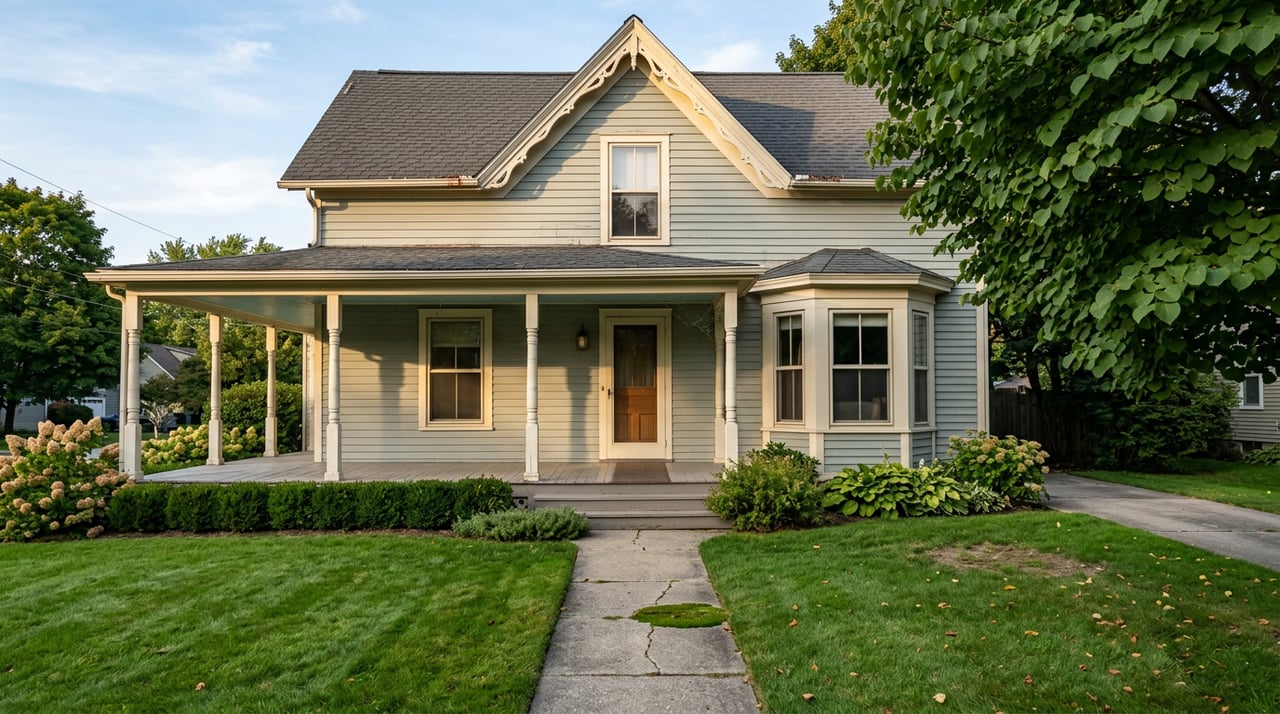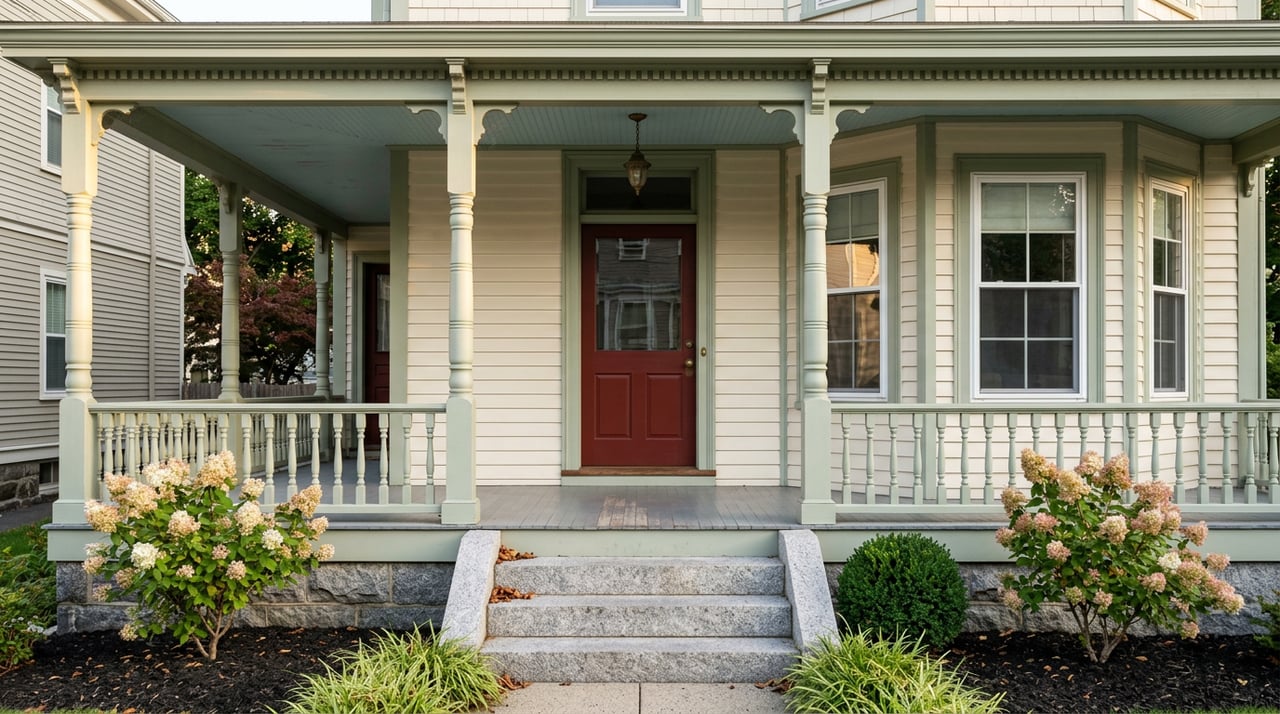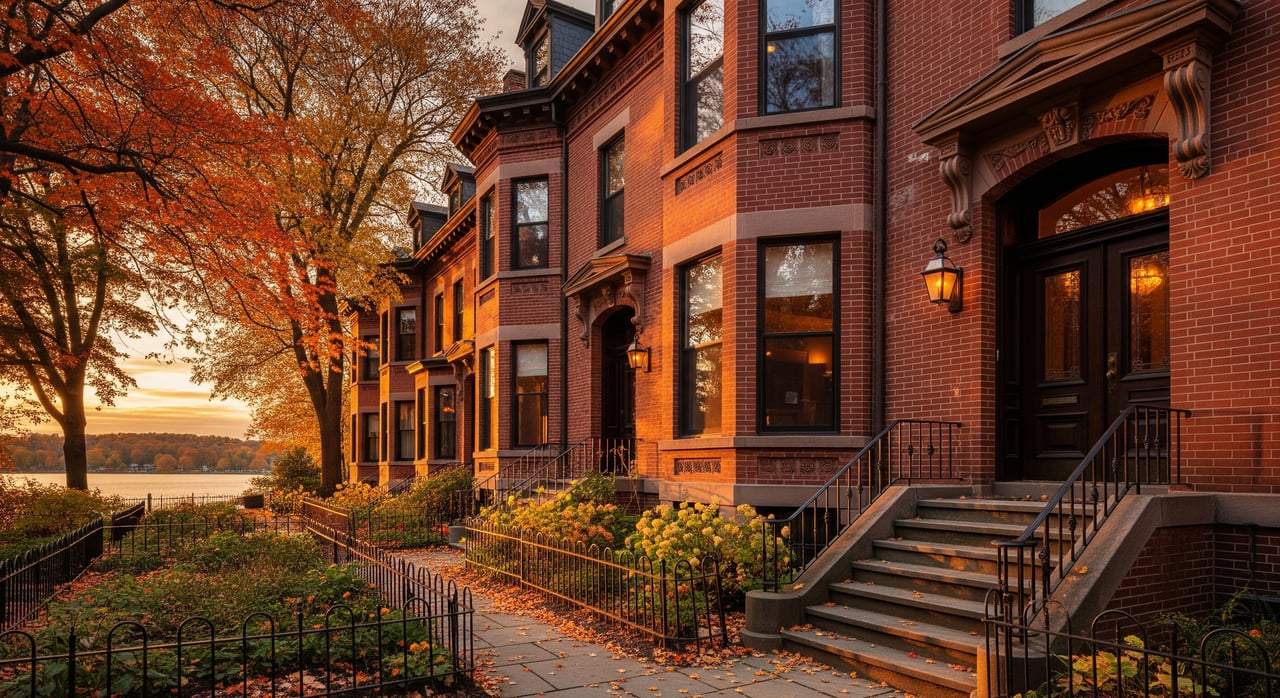
Thinking about buying or selling in Jamaica Plain and wondering if timing really matters? It does. The neighborhood follows a clear annual rhythm that affects how many homes hit the market, how fast they sell, and how competitive pricing feels. When you understand these cycles, you can plan your move, set realistic expectations, and make smarter decisions.
In this guide, you’ll learn how each season typically plays out in JP, what makes our neighborhood a little different from the suburbs, and how to tailor your approach as a buyer or seller. You’ll also get practical checklists you can use right away. Let’s dive in.
Why seasonality matters in JP
Jamaica Plain follows the same general pattern you see across New England: spring brings the most listings and the strongest buyer demand, summer stays active then tapers late, fall moderates, and winter is quieter. That cycle shows up in new listing counts, days on market, and sale-to-list price ratios.
What is different in JP is the housing mix and who buys here. The neighborhood has a large share of condos and multi-family properties, plus excellent transit access. That tends to keep activity more balanced year-round compared with some suburban markets. Investors also participate steadily, which can smooth out the slowest months.
The typical yearly cycle
- Spring, roughly March through June, usually brings the most new listings, the shortest days on market, and strong competition that pushes prices up.
- Summer stays brisk early, then many buyers travel in late July and August. Deals still close as spring deals work through the pipeline.
- Fall activity steps down a notch. Motivated buyers want to close before the holidays, and prices often level off.
- Winter sees the fewest listings and more price sensitivity. Well-prepared sellers can still succeed, but buyers often gain a bit more negotiating power.
What’s unique to Jamaica Plain
- A mix of condos, multi-family homes, and single-family houses means different segments behave differently. Entry-level condos can move fast even in winter.
- Transit options and proximity to job centers keep demand in play beyond the spring surge.
- Parks like Jamaica Pond and the Arnold Arboretum boost showing appeal in warmer months, often lifting buyer enthusiasm.
Spring market in Jamaica Plain
Spring is the prime selling window for many JP homes. Fresh landscaping, longer daylight, and the school calendar bring more buyers out. Competition can be intense for well-presented listings.
What sellers can expect in spring
- Shorter days on market when homes are priced and staged well.
- Stronger sale-to-list price ratios compared with other seasons.
- More showings and potential for multiple offers in high-demand segments.
Seller checklist for spring:
- Price to the market, not above it. Aim to spark early activity.
- Book painters, stagers, and photographers early. Vendor schedules fill quickly.
- Highlight outdoor spaces and nearby parks. Lean into curb appeal and lifestyle.
- Prepare for fast timelines on showings and inspections.
What buyers should do in spring
- Get a fully underwritten pre-approval before touring.
- Set a clear walk-away number and inspection strategy. Competition moves fast.
- Watch days on market and price changes daily so you can act when the right fit appears.
Summer and early fall in JP
Activity stays healthy early in summer, then slows a bit in late July and August. By September, you often see a smaller but motivated buyer pool.
Sellers: adjust and highlight
- If you missed spring, summer and early fall still work. Focus on pricing and presentation.
- Emphasize outdoor features and easy access to transit and neighborhood amenities.
- If days on market stretch, consider a timely price adjustment or small buyer incentives rather than waiting too long.
Buyers: find value without rushing
- You may see more negotiation room than in April or May, especially on homes that linger.
- Stay ready to act. The best listings still attract multiple interested buyers.
- Evaluate both price and total cost of ownership, including HOA fees or upcoming repairs.
Late fall and winter patterns
Winter has fewer listings and longer timelines on average. That said, Jamaica Plain often avoids the sharpest winter slowdown because of investors, relocations, and condo turnover.
Sellers: list smart in winter
- With fewer competing homes, a well-prepped listing can stand out.
- Use professional lighting and staging to offset low daylight and bare landscaping.
- Offer flexible closing dates or credits for small repairs instead of pushing list price too high.
Buyers: leverage the timing
- Expect fewer competing offers and more room to negotiate terms.
- Inventory will be limited, so patience helps. Keep a close watch and move quickly when a good fit appears.
- Ask about seller flexibility on closing or minor updates to bridge pricing gaps.
Property type and price band differences
Seasonality does not hit every segment equally in JP. Pay attention to how your property type behaves.
Condos and entry-level homes
- Often see steady demand year-round.
- Attractive units with strong finishes can sell quickly, even in winter.
- Watch HOA budgets, reserves, and special assessments in addition to price.
Single-family and higher price points
- More sensitive to spring seasonality and buyer scheduling.
- Best pricing power tends to show up in March through June.
- If listing outside spring, expect a longer runway and price with that in mind.
Multi-family and investor interest
- Investors transact throughout the year based on numbers, not just the calendar.
- Rent roll stability, renovation timelines, and cap rate drive decisions more than season.
- Winter can still work if the property is priced to current income and condition.
Pricing and timing strategy
Seasonality affects comps, so do not treat every recent sale as equal context. A condo that sold in April might reflect different competitive pressure than one that sold in November.
Read the right comps
- Use 30 to 90 day closed sales, but adjust for the month’s typical competition level.
- Compare days on market for similar homes listed this month versus the same month last year.
- Track sale-to-list ratios by month to understand how hard buyers are pushing.
Prep and logistics by season
- Spring and summer vendors book up fast. Schedule painters, floor refinishers, and landscapers early.
- Winter showings need warmth and light. Keep walkways clear and interiors bright.
- Build in contingency days for inspections, appraisals, and closings during weather events.
How to track the market monthly
A simple monthly dashboard keeps you grounded and cuts through anecdotes. Look at several indicators at once instead of focusing on a single datapoint.
Key metrics to watch
- New listings by month
- Active inventory
- Pending or under-contract count
- Closed sales and median sale price
- Average and median days on market
- Sale-to-list price ratio
- Months of inventory or absorption rate
- Price per square foot by property type
A simple 3-step plan to decide when to act
- Watch trends for 24 to 36 months. Compare this month to the same month last year and to typical seasonal averages.
- Segment your research. Look at condos versus single-family and multi-family, and by price band.
- Decide based on your goal. If you need maximum price, spring may be your best bet. If you want more negotiation power, late fall and winter can work.
Caveats that can override seasonality
Market cycles do not happen in a vacuum. A few factors can mute or amplify the usual pattern.
Interest rates and macro trends
Large shifts in mortgage rates can reduce buyer pools across all seasons. When rates jump, days on market can lengthen even in April. When rates ease, pent-up demand can lift activity outside the spring months.
Small samples and new developments
Jamaica Plain is a defined neighborhood. A few large sales or a new condo building can skew median prices in a given month. Use rolling averages, watch multiple indicators, and focus on your specific property type.
What this means for you
- If you are selling: Spring is typically the strongest window, but a well-prepared winter listing can still shine with less competition. Price using recent comps and current days on market.
- If you are buying: Spring requires speed and clear limits. Late summer through winter often brings a bit more room to negotiate, but inventory is thinner.
- If you are investing: Focus on income, expenses, and renovation timelines. Season matters less than the numbers and execution.
Ready to talk through timing for your specific home or search? Our team lives and works in JP and tracks these metrics every month. We can help you decide when to list, how to price, and what to expect in each season.
For personalized advice and a data-backed plan, reach out to Pondside Realty. Get a local perspective on timing, pricing, and prep that fits your goals.
Get Your Free Home Valuation with Pondside Realty.
FAQs
What is the best month to list in Jamaica Plain?
- Spring months, especially March through June, typically combine higher buyer demand with shorter days on market, which can support stronger pricing if your home is well-prepared.
Will a winter listing in Jamaica Plain sell for less?
- Winter often has fewer buyers and longer timelines, but lower competition can help well-presented homes stand out. In tight inventory years, any price dip can be smaller than you expect.
How long do homes take to sell by season in JP?
- Spring tends to be fastest, summer and early fall moderate, and winter longest on average. Condos often move faster than single-family homes across all seasons.
Do condos, single-family homes, and multi-family properties behave differently?
- Yes. Entry-level condos can sell quickly year-round. Single-family homes show stronger spring seasonality. Multi-family sales follow investor math more than the calendar.
How do interest rates change the seasonal pattern?
- Rate spikes can slow buyer activity even in spring, while rate drops can lift demand outside the typical peak. Always pair seasonality with current rate and inventory conditions.
What metrics should I track before I buy or list?
- Monitor new listings, active inventory, pending sales, median prices, days on market, sale-to-list ratios, and months of inventory, and look at trends over 24 to 36 months.