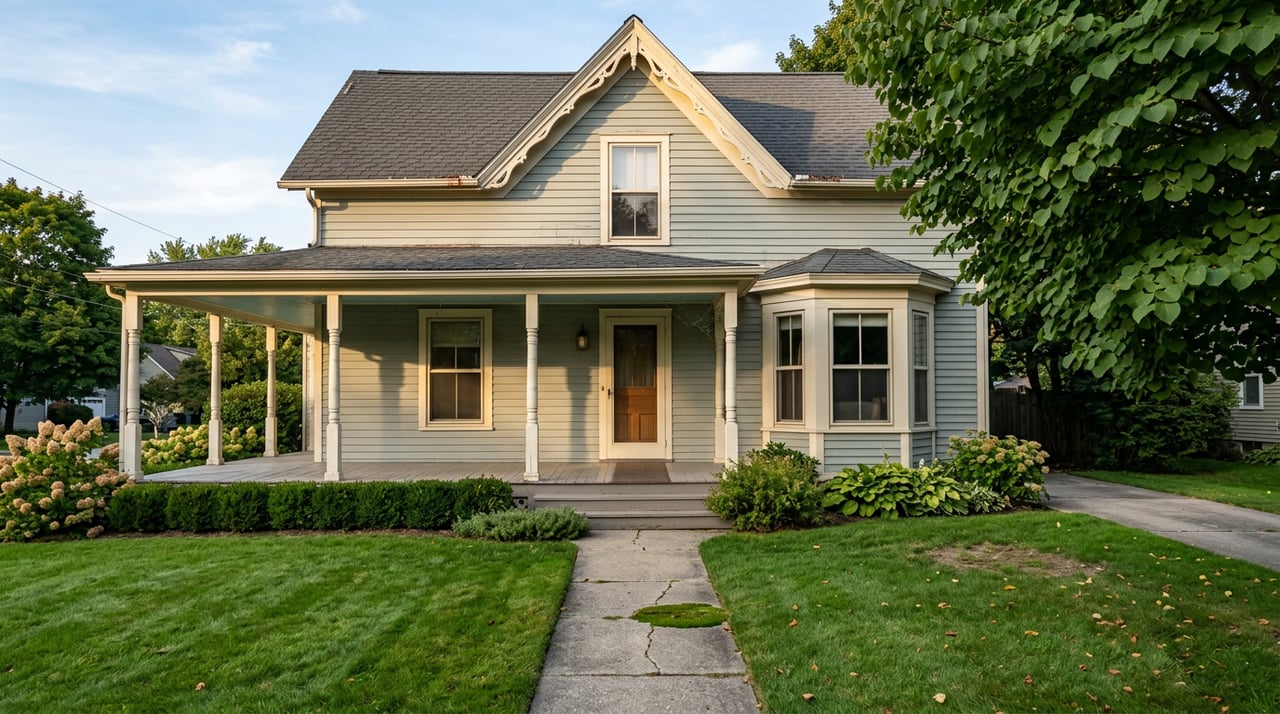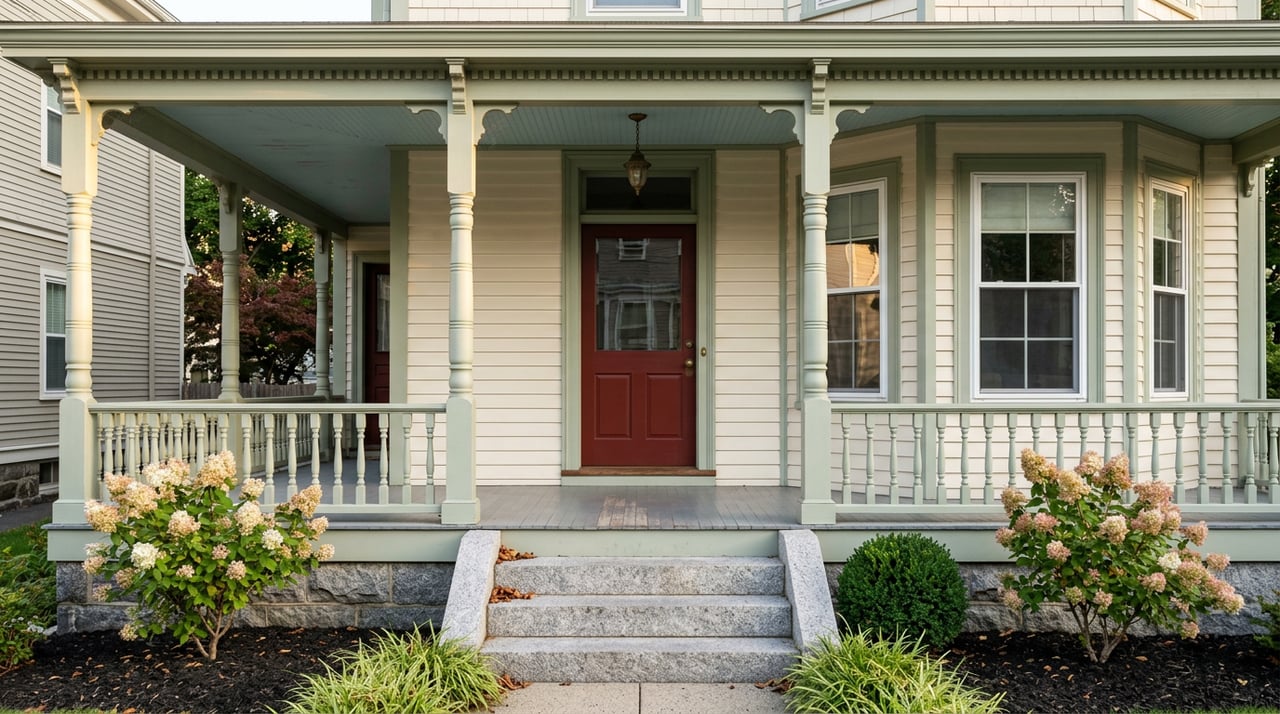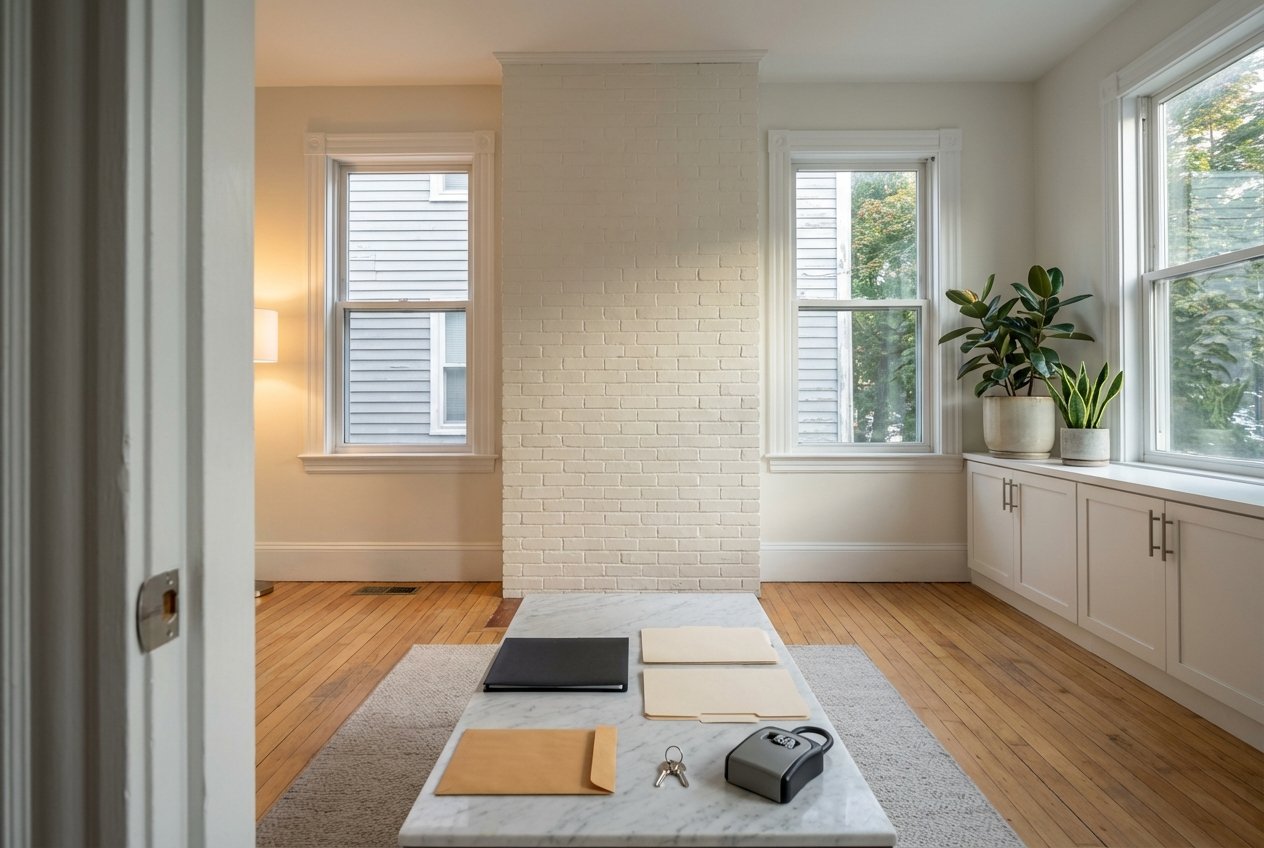
Thinking about selling a multi-family in Jamaica Plain but not sure where to start? You are not alone. A JP multi-family sale mixes pricing strategy with landlord rules, tenant coordination, and Boston-specific paperwork. In this guide, you will learn what to prepare, how to price for the right buyer, and which inspections and city steps to plan so you can close with confidence. Let’s dive in.
Snapshot: Why JP multi-families sell
Jamaica Plain remains a competitive, low-inventory Boston submarket with quick market times. Recent data shows a median sale price around $850,000 as of early 2026, and local reporting notes steady demand with tight supply.
Your buyer pool usually splits into two groups: owner-occupants considering a 2 to 4 unit so they can live in one unit, and small investors focused on income and cap rate. Financing can shape demand. Some owner-occupants can use FHA for 2 to 4 unit purchases if they move in within the required window, which broadens your audience. See the basics on FHA owner-occupant financing for 2 to 4 units.
Know your buyer
- Owner-occupant: Values livability, good unit separation, updated kitchens and baths, private entries, and the ability to offset the mortgage with rent.
- Investor: Values clean financials, in-place rents, realistic pro formas, and clarity on capital needs and code status.
Decide early if you will market to one group or both. Your pricing, photos, and listing notes should match the strategy.
Assemble your documents
Investors and lenders want a tidy packet. Collect these before you list:
- Rent roll with lease start/end dates, current rent, and who pays which utilities.
- Copies of every lease, addendum, and all security deposit and last-month rent receipts.
- Operating statements for 12 to 24 months, recent utility bills, tax bills, insurance summary, and service or repair records.
- Certificates and registrations: Smoke and CO status, Boston rental registration, permits for boilers or hot water tanks, and any lead reports.
- Estoppels: Buyers and lenders often request signed tenant estoppel certificates that confirm rent, deposit amounts, and lease terms. Learn why tenant estoppel certificates are standard in multifamily deals.
Work with tenants the right way
Tenants are central to a smooth sale. Give written notice early that you plan to list and explain how showings will work. Massachusetts limits landlord entry and expects reasonable notice, which many treat as 24 to 48 hours. Keep a simple log of notices and showings to avoid disputes.
Reduce disruption by using high-quality photos, a virtual tour, and showing blocks for pre-qualified buyers. If a unit will be vacant, staged photos can help. Small cooperation incentives, such as a cleaning service or a modest rent credit, often improve the experience for everyone when agreed to in writing.
Pricing that fits your buyer
There are two main approaches to pricing a JP multi-family, and both rely on comps and clear data.
- Owner-occupant track: Use recent 2 to 4 unit comps and highlight quality-of-life factors and the net housing cost benefit. Emphasize features like separate utilities, updated kitchens, private outdoor space, and storage. Show how rental income can offset the mortgage.
- Investor track: Underwrite to NOI and present a clean summary. Investors will look at two common metrics:
- What GRM means: Price divided by gross annual rent. It is a quick screen and does not include expenses.
- What a cap rate is: NOI divided by price. It accounts for expenses and perceived risk.
Whichever path you choose, be transparent about lease terms, deposits, and whether you will deliver the property vacant or with tenants.
Market timing in JP
Spring often brings the most activity in Boston, and Jamaica Plain is no exception. Local reporting highlights ongoing buyer demand and seasonality that tends to favor spring listings. You can still sell well year-round if you price to the market and present a complete, investor-ready packet. See local reporting on JP pricing and seasonality.
Required inspections and disclosures
- Smoke and CO certificate: You must secure a smoke and carbon monoxide certificate from the local fire department before closing. Plan time for potential detector upgrades. Learn more about the smoke and CO inspection certificate.
- Lead-based paint: For buildings built before 1978, federal law requires a disclosure form, the EPA/HUD pamphlet, and a 10-day inspection window unless waived. Review the federal lead-based paint disclosure rule.
- Security deposits and last-month rent: Massachusetts has strict rules on how deposits are held and transferred at sale. Prepare a full ledger and plan the transfer at closing. See the Massachusetts security deposit rules.
Boston registration and code
The City of Boston requires rental properties to be registered. Before you list, confirm that your rental registration is current and check for any open violations with Inspectional Services. Unresolved issues can deter buyers or delay closings. You can access the Boston rental registration portal to review status and update records.
Plan your timeline
A realistic schedule helps you set expectations:
- Pre-listing prep and document collection: 2 to 6 weeks.
- Active marketing: 2 to 6 weeks, depending on price and condition.
- Offer to P&S and due diligence: 2 to 4 weeks.
- Lender underwriting and closing: 30 to 60 days or more if financed, given attorney review and municipal steps in Massachusetts.
Build in cushion for the smoke and CO certificate, estoppels, and any city items.
Avoid these pitfalls
- Missing smoke and CO certificate: Schedule early to avoid last-minute issues.
- Deposit errors: Mishandled security deposits can create costly penalties. Keep accurate records and plan transfer details at P&S.
- Open city violations: Resolve or disclose ISD, health, or housing code items early.
- Incomplete leases or missing estoppels: These slow underwriting and can reduce your leverage.
- Unpermitted work: Converted basements or added units without permits can derail financing. Clarify status with the city before you list.
Your next step
Selling a Jamaica Plain multi-family is part real estate marketing and part compliance project. If you gather documents early, coordinate with tenants respectfully, and choose a pricing track that matches your ideal buyer, you can move from listing to closing with fewer surprises. When you want local guidance, market-backed pricing, and hands-on coordination, connect with Pondside Realty. Get Your Free Home Valuation.
FAQs
What should I prepare before listing a JP multi-family?
- Gather the rent roll, all leases, security deposit ledgers, 12 to 24 months of operating statements, utility bills, permits, registrations, and any lead reports.
How do security deposits transfer when I sell?
- You must provide an accurate ledger and transfer deposits and accrued interest to the buyer at closing, then notify tenants of the new holder.
Can I sell with tenants in place in Massachusetts?
- Yes, leases survive the sale and tenants keep their rights; plan a showing schedule with reasonable notice and document each entry.
Do I need a smoke and CO certificate to close in Boston?
- Yes, the fire department must issue a smoke and carbon monoxide compliance certificate before closing, so schedule it early.
What are estoppel certificates and why do buyers want them?
- Estoppels confirm lease terms, rent paid, deposit amounts, and any landlord defaults, which lenders and buyers use to underwrite the deal.
Should I price for an owner-occupant or an investor?
- Choose the track that best fits your building and your goal: owner-occupant comps and lifestyle features, or investor metrics like NOI, GRM, and cap rate.
When is the best time to list a multi-family in JP?
- Spring often brings more activity, but a well-priced, well-documented listing can attract buyers any time of year.
How long does a multi-family sale usually take in Massachusetts?
- From prep to closing, many sales run 60 to 120 days, depending on your readiness, buyer financing, and attorney and city timelines.