Are you eyeing a Back Bay condo and wondering why the fees vary so much from building to building? You’re not alone. Between historic brownstones and full-service towers, what you pay each month can cover very different things. This guide breaks down typical Back Bay condo fees, how historic buildings shape costs, and what to review before you buy so you can budget with confidence. Let’s dive in.
Back Bay condo fee basics
Your condo fee is the association’s monthly charge to operate, maintain, and plan for future repairs. In Massachusetts, condominium associations and their budgets are governed by state law and the building’s governing documents. If you want to see what the association can charge for and how decisions get made, review the bylaws and budget alongside Massachusetts Chapter 183A condominium law.
You will still pay your own mortgage and property taxes. The fee covers shared costs like building insurance, utilities for common areas, and contributions to reserves. In Back Bay, building type, age, amenities, and staffing all influence the fee amount and what it includes.
What condo fees usually cover
Master insurance
The master policy insures the building’s structure and common areas. Policies vary on whether interiors are covered, which affects what you need for your personal policy. To understand limits, deductibles, and what’s excluded, review the declarations page and compare it with your unit coverage needs using the NAIC’s consumer guidance on condo insurance.
Why it matters in Back Bay: Older masonry buildings and high-rises often carry higher replacement costs and more complex risks, which can raise premiums.
Reserves for capital projects
Reserves are savings for big-ticket repairs like roofs, boilers, elevators, and façade work. Strong associations use a reserve study to set targets. Before you buy, ask for the latest reserve study, current balance, and the 12 to 24 month capital plan. For best-practice context, see the Community Associations Institute’s guidance on reserves and budgeting.
Why it matters in Back Bay: Historic façades and older mechanical systems usually mean larger, recurring projects. Thin reserves can lead to special assessments.
Elevator maintenance and modernization
Elevators require routine service, inspections, and periodic modernization. In older buildings, upgrades to controllers or cabs can be costly and disruptive. For rules and inspection standards, consult the Massachusetts Board of Elevator Safety.
Why it matters in Back Bay: Many properties are elevator-dependent. A single-elevator building facing a full modernization may need a sizable reserve allocation or special assessment.
Heat and hot water
Many Back Bay condos use central boilers for heat and domestic hot water. Fuel prices and boiler health drive costs, and older systems can swing expenses year to year. Ask for the last 12 months of fuel and utility invoices and how costs are allocated to units.
Why it matters in Back Bay: Central steam or hot-water systems are common in older properties, and conversions or major boiler work can affect fees.
Professional management and staffing
Management companies handle day-to-day operations, vendor contracts, financial reporting, and compliance. Some buildings also employ on-site staff like concierge or door attendants. Clarify what the management fee covers and whether staffing costs are separate.
Why it matters in Back Bay: Higher-touch services and large vendor rosters increase operating costs but also improve convenience and building oversight.
Other common costs
- Cleaning and janitorial for common areas; concierge or doorman salaries in full-service buildings.
- Snow removal and sidewalk maintenance during Boston winters.
- Landscaping, exterior lighting, and security systems.
- Trash and recycling contracts.
- Garage or parking maintenance if part of the association.
- Legal and accounting, tax filings, and audit support.
- Utilities not billed to units, like water, sewer, and common-area electricity.
- Administrative costs, including directors and officers insurance and banking fees.
Historic buildings and cost drivers
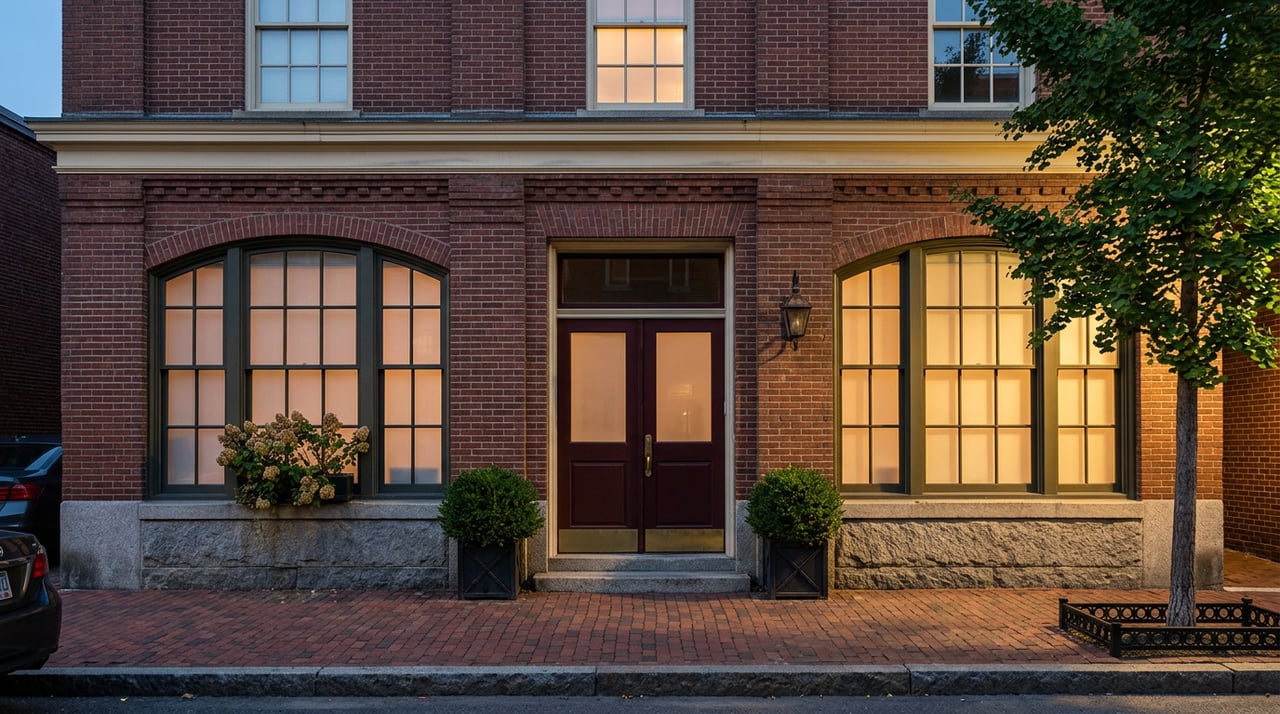
Back Bay’s historic character is a point of pride, and it also shapes expense lines. Many exteriors fall within the Back Bay Architectural District, where certain changes require approvals. Review guidance from the Boston Landmarks Commission for how design, materials, and permitting can impact scope and cost.
- Specialized work: Masonry repointing, brownstone restoration, slate or metal roofs, and custom windows require specialized trades, which typically cost more than standard materials.
- Urban logistics: Scaffolding, street permits, and tight site access can extend timelines and increase contractor bids.
- Aging systems: Older boilers, steam lines, plumbing, and electrical systems raise both operating and replacement costs.
- Planning impacts: Landmark approvals and consultant fees add time and soft costs, which should show up in the capital plan and reserves.
What to review before you buy
Request and read these items so you can see both the monthly budget and the long-term plan:
- Latest annual budget plus 12 to 24 months of financials.
- Reserve study, current reserve balance, and capital plan.
- Master insurance declarations, coverage summary, and deductibles.
- Board meeting minutes for the last 12 to 24 months and any special meeting notices.
- List of recent and pending special assessments, plus a 5-year history.
- Management agreement and major vendor contracts with expiration dates.
- Condominium declaration, master deed, bylaws, and rules and regulations.
- Delinquency report showing owner arrears by percentage of the budget.
- Engineering or inspection reports, including façade, roof, elevator, or HVAC assessments.
- Written confirmation of what the fee includes and how utilities are allocated.
- Any active litigation or insurance claims.
For a general consumer overview of condo buying, explore HUD’s condominium resources.
Smart questions to ask the association
- What exactly is included in the fee each month? Clarify heat, hot water, water/sewer, electricity, parking, and amenities.
- How old are the major systems, and what is the expected timeline for replacements?
- How large are reserves relative to projected needs, and when was the last reserve study?
- Have there been special assessments in the past few years, and are any planned?
- What is the owner delinquency rate today?
- Are there active landmark or permit restrictions that could affect repair timelines or methods?
- Are there ongoing claims or litigation?
How to compare buildings fairly
If two units look similar on price, level the playing field by comparing what the fee actually buys.
- Normalize costs: Compare each building’s fee on a per-square-foot basis, but note which services and utilities are included.
- Reserves vs. risk: A building with stronger reserves and a clear capital plan may be safer than a lower-fee building with big projects looming.
- Service levels: Concierge and on-site staff raise fees but add convenience and security. Decide what matters to you day to day.
- Utility volatility: Review three years of fuel and utility trends to see whether costs are stable or spiky.
- All-in view: Add up mortgage, taxes, condo fee, utilities you pay directly, parking, and any confirmed assessment payments to see your true monthly cost.
Build a practical monthly budget
Follow this simple approach to avoid surprises:
- Start with the published monthly condo fee.
- Add utilities you’ll pay directly, like electricity and internet.
- If heat or hot water is included, review 12 to 24 months of fuel invoices so you can anticipate potential changes.
- If an assessment is confirmed, add the monthly payment or amortize the lump sum over the scheduled period.
- Convert to cost per livable square foot only after noting what the fee includes, so you do not compare apples to oranges.
Red flags to avoid
- No recent reserve study or a balance far below estimated replacement needs.
- Frequent special assessments in the last three years.
- High owner delinquency as a percentage of the budget.
- Ongoing litigation or major insurance claims.
- Management churn or big vendor cost jumps without clear explanation.
- Insurance gaps, very high deductibles, or exclusions that do not fit the building’s risks.
Local tips for Back Bay buyers
- Expect wide variance: Small brownstones may have modest fees, while full-service towers with 24/7 staff and garages command premium fees.
- Clarify exterior responsibility: In some townhouses, rules around façade and roof can vary. Know who pays for what before you commit.
- Plan for energy swings: Central boiler buildings carry fuel risk. Ask for multi-year invoices to judge volatility.
- Bring the right pros: Consider inspectors familiar with historic Boston buildings, and ask your real estate attorney to review association documents.
- Protect your offer: When possible, use contingencies tied to budget, minutes, insurance, and reserves so you can exit if the risk profile is not right.
Work with a neighborhood guide
If you want a straightforward read on a building’s fee, reserves, and near-term risks, you deserve a local advocate who knows Boston’s condo landscape. Our team reviews budgets, reserve studies, and vendor contracts every week, and we translate the fine print into a simple, all-in monthly number you can trust. When you are ready to shop in Back Bay, we are here to help you compare options and negotiate with confidence. Reach out to Pondside Realty to talk through a building you’re considering.
FAQs
What do Back Bay condo fees usually include?
- Most budgets cover building insurance, reserves, common utilities, maintenance, and management, with heat and hot water sometimes included in older buildings.
How do historic rules in Back Bay affect condo costs?
- Exterior work often needs approvals and historically appropriate materials, which can increase design, permitting, and construction costs.
What is a condo reserve fund and why does it matter?
- Reserves are savings for major repairs like roofs, boilers, elevators, and façades, and stronger reserves can reduce the chance of special assessments.
Are elevator costs a big factor in Back Bay condos?
- Yes, many buildings rely on elevators, and modernization or major repairs can be costly and may require significant reserves or assessments.
How can I compare condo fees between two Back Bay buildings?
- Normalize by square footage, list what each fee includes, review reserves and upcoming projects, and calculate your all-in monthly cost including utilities and any assessments.