If you picture Back Bay as all shopping streets and postcard views, living near the Charles adds another layer. You get historic residential blocks, direct access to open space, and a front-row seat to some of Boston’s most recognizable public events. If you are wondering what day-to-day life actually feels like in this part of the neighborhood, this guide will walk you through the setting, housing, transit, and rhythms that shape it. Let’s dive in.
Back Bay Near the Charles at a Glance
Living near the Charles in Back Bay means being close to both calm side streets and a very active public waterfront. Back Bay sits along the Charles River next to Downtown and the Public Garden, and the neighborhood is known for its protected historic district and formal street layout created in the mid-1800s.
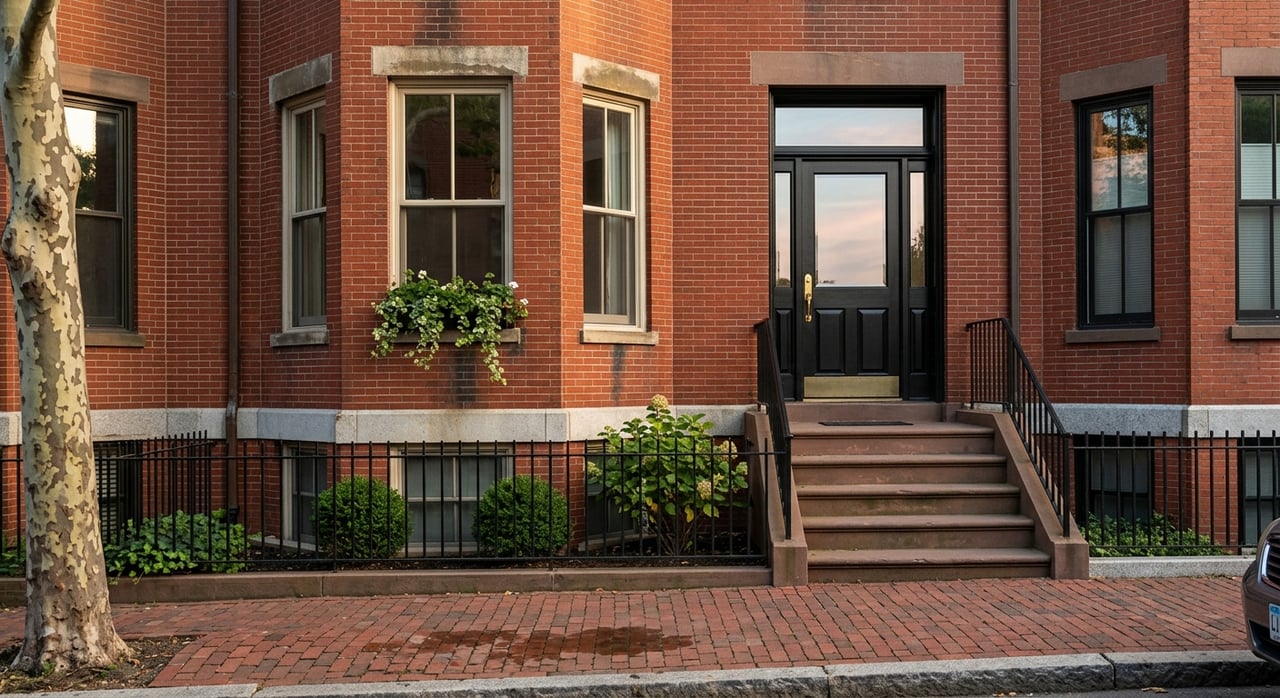
That setting gives the area a distinct feel. On one hand, you have preserved Victorian row houses and brick sidewalks along streets like Beacon, Marlborough, and Commonwealth. On the other, you are still close to the commercial energy of Newbury, Boylston, St. James, and Huntington.
What the Neighborhood Feels Like
Quiet Streets, Busy Corridors
One of the biggest draws of this part of Back Bay is contrast. Residential blocks near the river tend to feel quieter and more settled, while the main shopping and dining corridors stay active throughout the day.
That balance can be appealing if you want a neighborhood that feels polished and walkable without being purely residential. You can step out for a river walk or a coffee, then be minutes from retail, restaurants, hotels, and offices.
Historic Character Shapes Daily Life
Back Bay’s historic identity is not just visual. The area’s rowhouse pattern, masonry facades, stoops, and brownstone details create a streetscape that feels intentional and consistent.
For many buyers, that preserved character is part of the appeal. It can also shape expectations around ownership, especially if you are considering a property where exterior updates may come under architectural review.
Life Near the Esplanade
The Charles Becomes Part of Your Routine
When you live near the Charles, the river is not just scenery. The Esplanade is woven into everyday life, whether you use it for walking, biking, relaxing outdoors, or meeting friends.
The Charles River Reservation stretches for 20 miles, and the Esplanade Loop offers a 1.5-mile accessible trail. The Arthur Fiedler Footbridge also gives Back Bay residents a direct connection to the Esplanade, which makes the waterfront feel easy to reach rather than occasional.
Outdoor Access in Every Season
The riverfront adds a kind of breathing room that can be hard to find in dense urban neighborhoods. You are close to the Paul Dudley White Bicycle Path, and the Commonwealth Avenue Mall adds another green route through Back Bay toward the Public Garden.
That means outdoor space is not limited to one destination. If you enjoy having choices for walking, biking, or simply being outside, this section of Back Bay offers several options within a compact area.
Events Bring Energy and Crowds
Living near the Charles also means sharing space with major public programming. The Hatch Memorial Shell hosts seasonal events, including free family movies in July and August, and Community Boating brings sailing activity to the Esplanade from late spring into early autumn.
This part of the riverfront also draws large crowds for major moments like the Boston Pops Fireworks Spectacular on July 4. Back Bay also hosts the Boston Marathon finish line, so certain days of the year bring a noticeable surge in activity, visitors, and street closures.
Housing Near the Charles
Expect Historic Rowhouse Living
If you are home shopping near the river side of Back Bay, the classic image is largely accurate. Much of the residential stock is made up of historic row houses with masonry exteriors, stoops, and brownstone or brick details.
These homes are a major part of the neighborhood’s identity. They often appeal to buyers who value architectural character, established streetscapes, and a more traditional urban residential setting.
Unit Sizes Often Run Smaller
Back Bay’s occupied housing units tend to skew smaller. According to Boston planning data, 56.3% of occupied units are studios or one-bedrooms, 29.5% are two-bedrooms, and 14.1% are units with three bedrooms or more.
That smaller-unit profile helps explain the area’s pace and population mix. It may suit buyers or renters looking for a low-maintenance city home, especially if walkability and location matter more than square footage.
Building Types Shift Near Transit
Closer to the commercial spine and Back Bay Station area, the housing mix becomes broader. You are more likely to see larger mixed-use buildings and transit-adjacent properties as you move away from the quieter river-facing blocks.
That gives you a few lifestyle choices within the same neighborhood. If you want a more classic brownstone setting, the river side may feel more aligned with your goals. If you prefer being closer to transit and denser mixed-use activity, other parts of Back Bay may fit better.
Who Lives in This Part of Back Bay
Back Bay has a younger and highly educated resident profile. Boston planning data shows that 48.7% of residents are between ages 18 and 34, and 88.1% of residents age 25 and older have a bachelor’s degree or higher.
In practical terms, that can shape the neighborhood’s rhythm. You may notice a strong mix of professionals, renters, and owners who prioritize location, access, and city living.
Getting Around From Back Bay
Transit Access Is a Major Plus
Back Bay is unusually well connected for a historic neighborhood. Back Bay Station serves the Orange Line and commuter rail, and nearby Green Line access is available at Copley, Arlington, Prudential, and Auditorium.
For many residents, that level of access is a real quality-of-life benefit. It gives you more flexibility for commuting, regional travel, and car-light living.
Errands Are Easy to Keep Local
This part of Back Bay also supports a highly walkable lifestyle. Newbury Street includes retailers, salons, boutique offices, and restaurants, while Boylston, St. James, and Huntington add a mix of local and national retail, hotels, restaurants, and office buildings.
That convenience can make daily life feel efficient. You are not choosing between historic charm and practical access because this part of Back Bay offers both in close reach.
Practical Things Buyers Should Know
Historic Review Matters
If you are considering buying a property near the Charles in Back Bay, it helps to understand the local review process. Exterior changes, additions, and masonry work in the Back Bay Architectural District are reviewed before work can proceed.
That does not automatically make updates impossible. It does mean buyers should go in with clear expectations about timelines, approvals, and the importance of preserving historic exterior character.
The Area’s Fill History Is Part of the Story
Back Bay was built on filled tidal marshes, which is an important part of the neighborhood’s history and physical setting. Boston also includes flood-resilience planning as part of its broader coastal planning conversation.
For buyers, this is less about alarm and more about context. It is one of several practical factors worth understanding when evaluating long-term ownership in a historic river-adjacent neighborhood.
Is Living Near the Charles Right for You?
Living near the Charles in Back Bay can be a great fit if you want a neighborhood that combines historic architecture, everyday walkability, riverfront access, and strong transit connections. It offers a distinct mix of peaceful residential blocks and city energy that is hard to replicate elsewhere in Boston.
It may be especially appealing if you value outdoor access and a classic urban setting, and if you are comfortable with the realities of living in a protected historic district. The right fit often comes down to how you balance charm, convenience, building style, and seasonal activity.
If you are weighing your options in Back Bay or comparing Boston neighborhoods block by block, working with a local team can help you narrow in on the lifestyle and property type that best match your goals. When you are ready to explore your next move, connect with Pondside Realty.
FAQs
What is daily life like near the Charles in Back Bay?
- Daily life near the Charles in Back Bay blends quiet residential streets with easy access to the Esplanade, nearby retail corridors, and major seasonal events.
What types of homes are common near the Charles in Back Bay?
- Homes near the Charles in Back Bay are often historic row houses with masonry exteriors, stoops, and brownstone or brick details, with larger mixed-use buildings more common closer to transit and commercial areas.
How walkable is Back Bay near the Charles River?
- Back Bay near the Charles River is highly walkable, with access to the Esplanade, Commonwealth Avenue Mall, Newbury Street, and other daily destinations within a compact area.
What transit options serve Back Bay near the Charles?
- Transit options near the Charles in Back Bay include Back Bay Station for the Orange Line and commuter rail, plus nearby Green Line stops at Copley, Arlington, Prudential, and Auditorium.
What should buyers know about owning property in Back Bay?
- Buyers should know that exterior work in the Back Bay Architectural District is subject to review, and the neighborhood’s historic setting can affect renovation planning and ownership expectations.