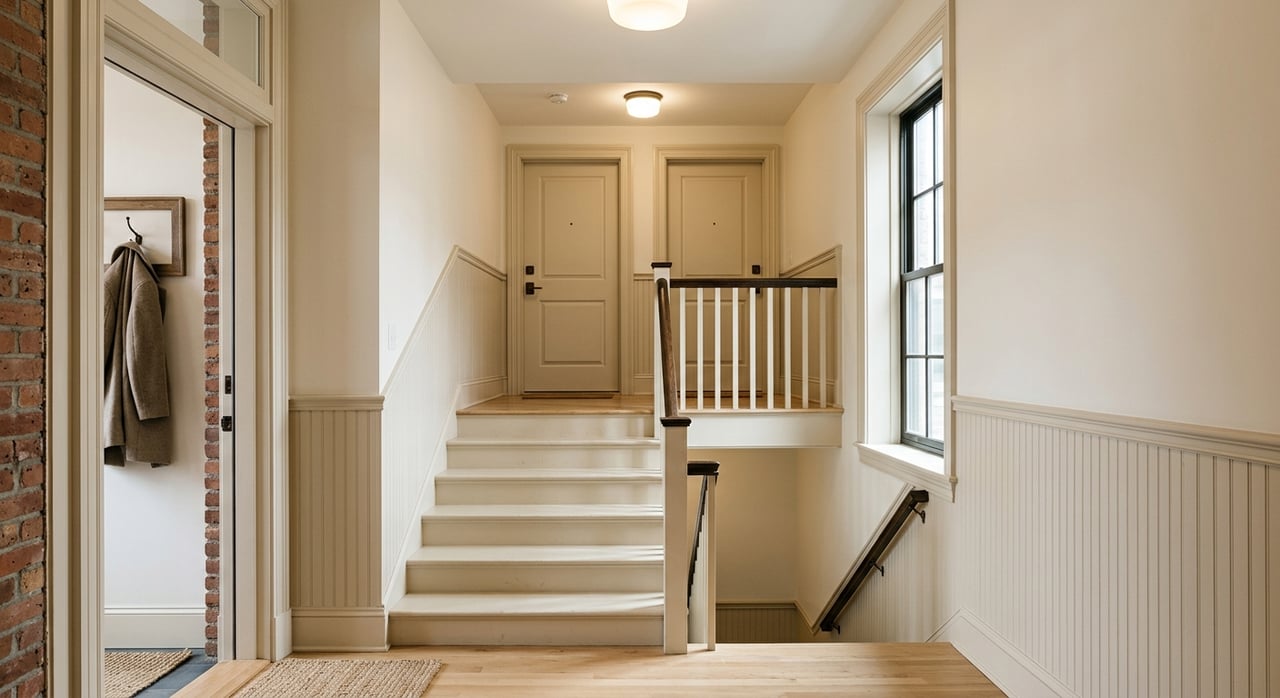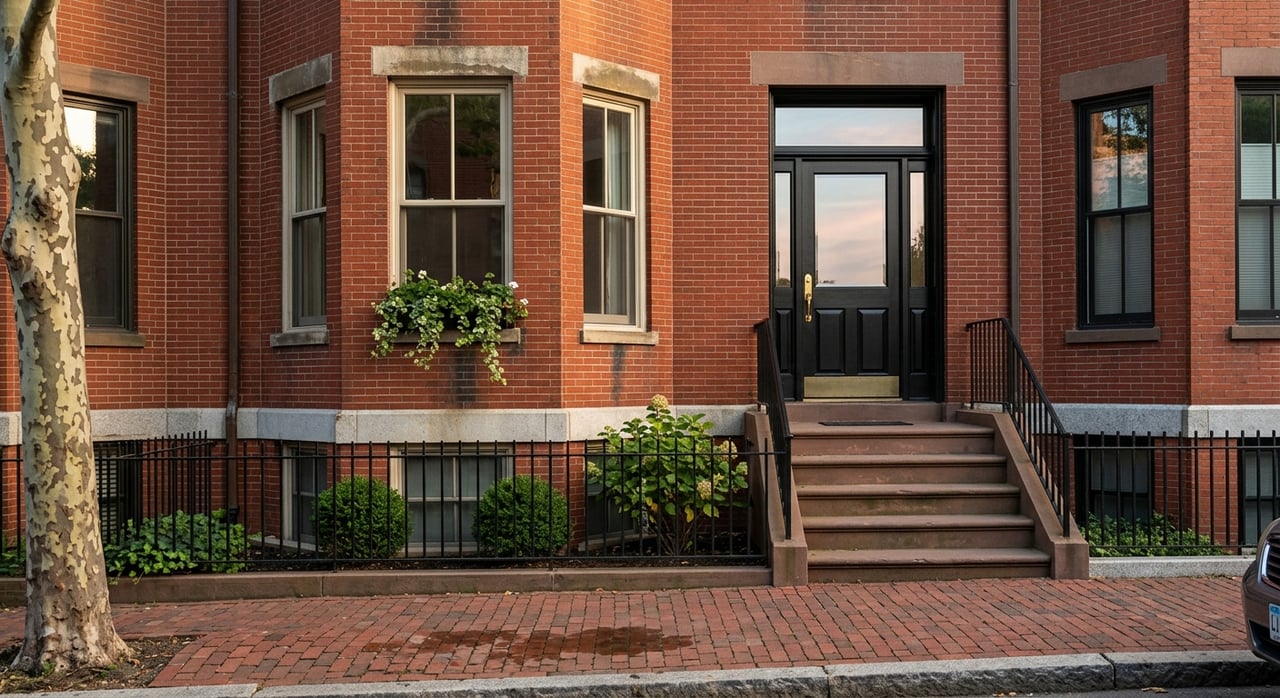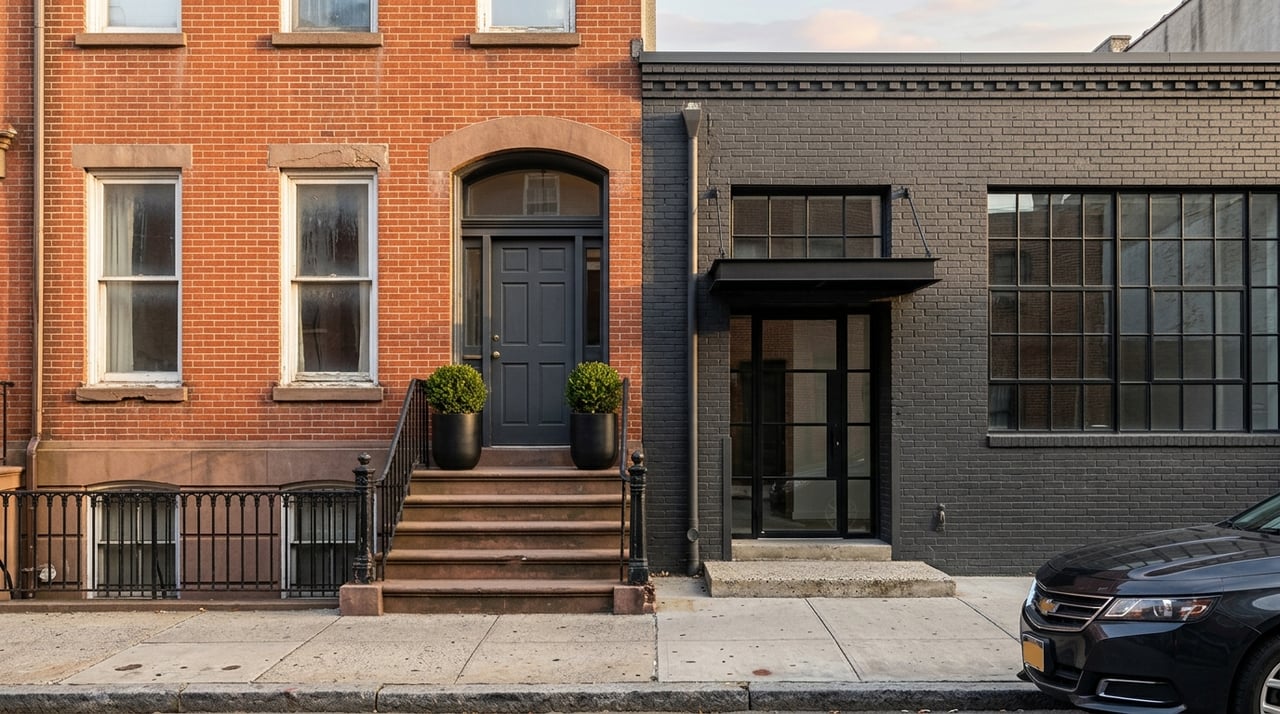
Trying to choose between a classic South End rowhouse and a loft-style condo? In this neighborhood, that decision shapes more than your floor plan. It can affect how much exterior change is possible, how you think about parking and outdoor space, and what your monthly ownership costs may feel like over time. If you want a clearer way to compare the two in the South End, this guide will walk you through the tradeoffs. Let’s dive in.
Why this choice matters in South End
The South End is not just another Boston condo market. It is one of the city’s defining historic housing districts, known for its 19th-century Victorian red-brick rowhouses and listed on the National Register in 1973 as the largest urban Victorian neighborhood in the country.
That historic setting matters when you buy. In the South End Landmark District, exterior changes that affect public-facing elements typically require review, especially street-facing façades, front yards, and visible roof portions. In practical terms, that often means a rowhouse condo comes with more preservation constraints than a newer condo building.
What a South End rowhouse condo feels like
A rowhouse condo in the South End often starts with character. District standards protect features such as stoops, entryways, decorative balconies, doors, and historically sized windows, so many homes retain the look and feel that make the neighborhood so recognizable.
Inside, that often translates to a more traditional layout. You may find a room-by-room flow rather than one large open space, along with a stronger sense of period detail and a closer connection to the historic streetscape.
For many buyers, that is the appeal. If you picture yourself in a home with classic proportions, a distinctive façade presence, and a more traditional South End feel, a rowhouse condo may line up well with your goals.
What a loft-style condo feels like
Loft-style condos in the South End usually offer a different experience. Local project examples highlight open floor plans, high ceilings, and large window areas, with some buildings also featuring terraces, folding glass walls, roof decks, and underground parking.
That makes loft living feel more flexible and contemporary. Instead of emphasizing historic compartmentalized rooms, these homes often prioritize volume, light, and easier day-to-day flow.
If your wish list starts with openness and convenience, a loft-style condo may feel like the better fit. In many South End buildings, that can also mean access to shared amenities that are less common in smaller rowhouse conversions.
Layout differences to expect
When buyers compare these two property types, layout is usually the first big dividing line. The South End’s historic rowhouse stock tends to preserve older architectural patterns, while loft developments often lean into modern design.
Here is a simple side-by-side view:
| Feature | Rowhouse Condo | Loft-Style Condo |
|---|---|---|
| Overall feel | Historic and traditional | Open and contemporary |
| Layout | More room-by-room | More open-plan |
| Ceiling and volume | Typically more conventional | Often higher ceilings and bigger volume |
| Windows | Historically sized windows | Large window areas are common |
| Exterior flexibility | More limited on public-facing elements | Often less tied to historic façade rules |
The right answer depends on how you live. If you like separation between rooms, a rowhouse may feel more natural. If you want flexible entertaining space or a more airy interior, a loft may check more boxes.
Exterior changes and preservation rules
One of the biggest practical differences in the South End is what happens after you buy. In a landmark district, not every change is treated the same way, and what is visible from the street matters a lot.
For rowhouse condos, public-facing exterior elements usually come with less freedom to change. Front façades, front yards, and visible roof portions are key review areas, while rear walls and side walls that do not face a public way are generally outside review.
That does not mean improvement is impossible. It means the process and limits may be different from what you would expect in a newer condo building. If exterior personalization is important to you, it is smart to ask early about what is visible from the street and what has already been approved in the building.
Parking can be a deciding factor
In the South End, parking is not a small detail. It can easily become one of the most important differences between a rowhouse condo and a loft-style condo.
Because the district developed as rowhouse blocks in the mid-19th century, off-street parking is generally less built into the historic housing stock. That means rowhouse buyers often need to pay close attention to whether a unit includes deeded parking, garage access, or no off-street parking at all.
Loft developments may offer a different setup. Some South End loft projects include underground parking or other built-in parking options, which can make daily life simpler if you regularly drive.
Resident parking permits can help, but they have limits. In Boston, permits are neighborhood-specific and do not override street cleaning, snow emergencies, meters, construction zones, or temporary no-parking signs.
If you rely on your car, parking should be part of your first-round search criteria, not an afterthought. That is especially true in a neighborhood where winter parking logistics and temporary restrictions can affect your routine.
Outdoor space often looks different
Outdoor space is another area where the two property types can diverge. In the South End, rowhouse and loft-style condos often offer very different versions of “outdoor living.”
In the landmark district, front-facing and visible roof elements are part of the review conversation, and city materials show that roof decks, rear decks, Juliet balconies, and rear extensions come up regularly. Because of that context, rowhouse outdoor changes may be more shaped by preservation considerations.
Loft-style buildings more often advertise terraces, roof decks, and indoor-outdoor design features such as folding glass walls. If private or amenity-style outdoor space is high on your list, newer loft inventory may offer more straightforward options.
That said, each building is different. The key is to separate “has outdoor space now” from “could I change or add outdoor space later.”
Condo fees and shared costs
No matter which style you choose, condo ownership comes with shared financial responsibilities. Under Massachusetts condo law, common expenses are generally assessed according to each unit’s percentage interest or unit area, and condo organizations are responsible for maintaining common areas and keeping an adequate replacement reserve fund.
Condo fees are usually set through the annual budget and commonly paid monthly. Special assessments can also be used when a capital item needs replacement, and associations typically carry a master policy for the building and common areas while owners need their own coverage for what the master policy does not cover.
That legal framework applies to both rowhouse condos and loft-style condos, but the building structure can shape how ownership feels. A smaller rowhouse conversion may have fewer shared systems, while a larger loft building may bundle more common infrastructure and amenities such as parking or roof decks.
That does not automatically make one better or cheaper. It does mean you should look closely at what the fee covers, how reserves are funded, and whether the building’s physical setup could affect future expenses.
Lifestyle fit in today’s South End market
The South End remains a competitive market. Recent neighborhood data shows a median sale price of about $1.287 million over the three months ending May 2026, a median price per square foot of about $1.23K, and an average time on market of 23 days. Current condo listings have shown 179 condos for sale at a median listing price of $999K.
This is also a highly walkable neighborhood, with a Walk Score of 97 and nearly 30 parks, plus active restaurant corridors along Tremont Street, Columbus Avenue, and Massachusetts Avenue. Those neighborhood basics help explain why both housing types continue to attract attention.
A rowhouse condo may be a strong fit if you value historic character, streetscape presence, and a more traditional home feel. A loft-style condo may be a stronger fit if you want open interiors, more contemporary amenities, and easier parking options.
Questions to ask before you decide
Before you choose between a South End rowhouse and a loft-style condo, focus on the parts of ownership that affect your daily life most:
- Do you prefer separate rooms or an open layout?
- How important are historic details to you?
- Do you need deeded or garage parking?
- Is private outdoor space a must-have?
- Are you comfortable with stricter limits on visible exterior changes?
- What do the condo fee, reserves, and shared systems actually cover?
These questions can make your search more efficient. They also help you compare properties based on fit, not just appearance.
The bottom line
In the South End, rowhouses and loft-style condos are not just two looks. They often reflect two different ownership experiences.
Rowhouse condos usually lean toward preservation, traditional layout, and classic South End character. Loft-style condos usually lean toward openness, light, amenity bundles, and parking convenience.
If you want help weighing those tradeoffs in real listings, local context makes a real difference. The right choice comes down to how you live, what you want to maintain, and which version of South End ownership feels right for you.
If you’re comparing South End homes and want practical, neighborhood-level guidance, Pondside Realty can help you sort through the details and move with confidence.
FAQs
What is the main difference between a South End rowhouse condo and a loft-style condo?
- A South End rowhouse condo usually offers more historic character and a traditional layout, while a loft-style condo usually offers a more open floor plan, higher ceilings, and more contemporary features.
How do South End landmark rules affect rowhouse condos?
- In the South End Landmark District, exterior changes to public-facing elements such as façades, front yards, and visible roof portions typically require review, which can limit how much you change from the street view.
Is parking easier with South End loft-style condos?
- It can be, because some South End loft developments include built-in or underground parking, while historic rowhouse properties are less likely to have off-street parking built into the original housing stock.
Do South End condo fees work differently for rowhouses and loft buildings?
- Massachusetts condo law provides the same general framework, but the feel of ownership can differ because larger loft buildings may have more shared systems and amenities that affect budgets, reserves, and long-term fees.
Which South End condo type is better for outdoor space?
- Loft-style condos more often advertise terraces or roof decks, while outdoor changes in rowhouse settings may be more shaped by preservation review, especially when visible elements are involved.
What should South End buyers ask before choosing between these condo types?
- You should ask about layout, parking, outdoor space, condo fees, reserves, shared systems, and whether any visible exterior changes would require review in the specific building.