If you are looking for office or studio space in Boston’s South End, the neighborhood can feel full of opportunity and full of fine print at the same time. You want a space that fits your business, your budget, and your day-to-day operations, but older buildings, custom leases, and local approvals can quickly complicate the search. This guide will help you think through corridor choice, lease terms, and due diligence before you commit. Let’s dive in.
Why South End Appeals to Small Businesses
Boston describes the South End as a landmark district that covers more than 300 acres and includes a mix of commercial, industrial, institutional, and residential buildings. It is also close to Downtown and Back Bay, which can make it attractive if you want a central Boston location with neighborhood character.
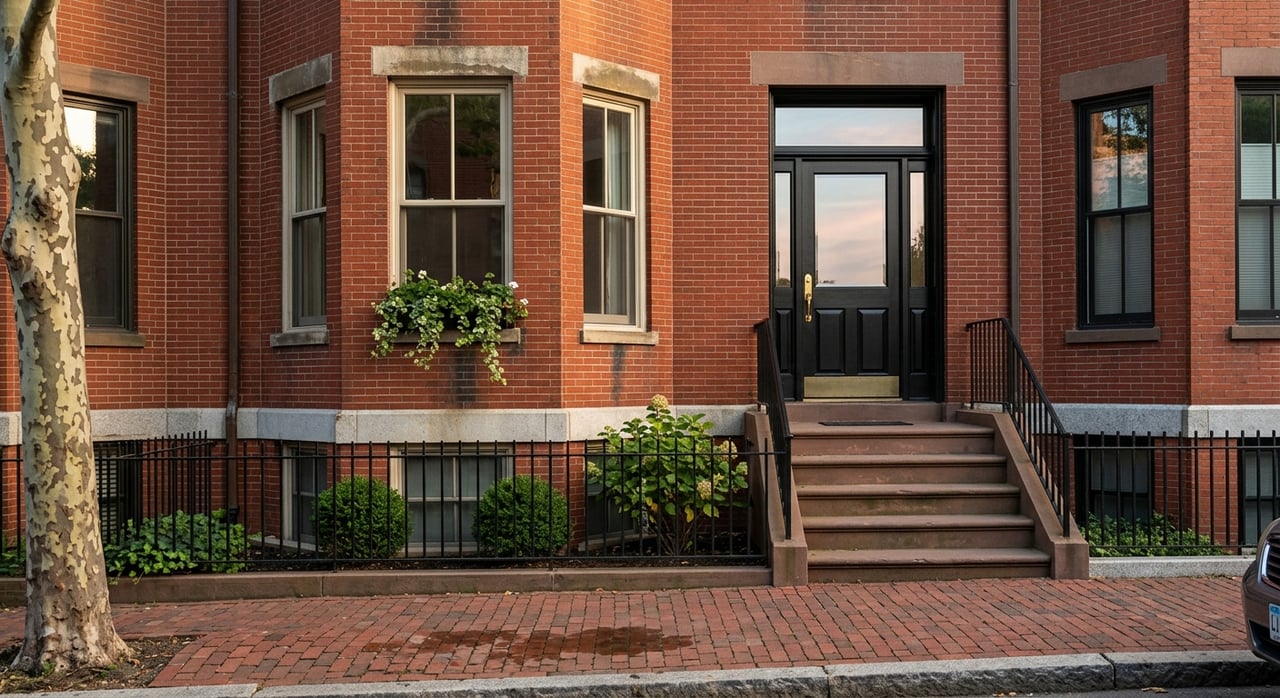
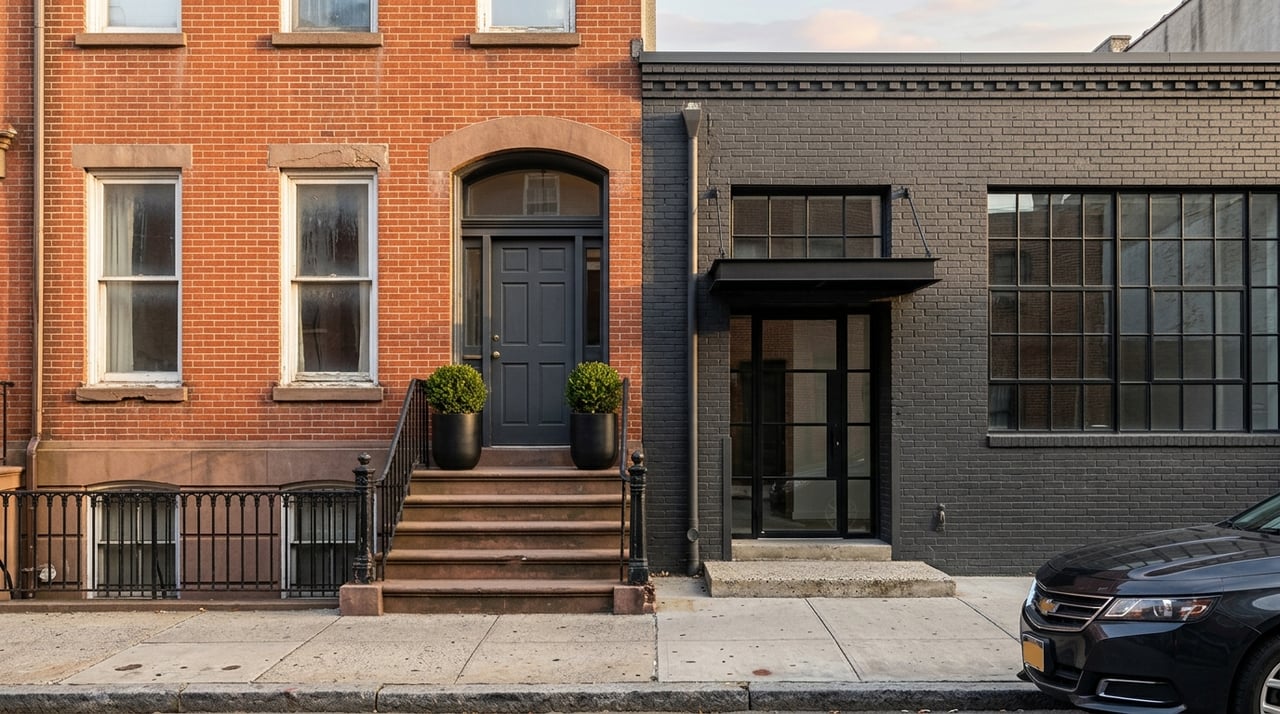
For many small businesses, that mix matters. In the South End, you are often choosing between mixed-use brownstones, converted buildings, and older commercial spaces rather than a typical office park. That can create charm and visibility, but it also means you need to look closely at layout, access, building systems, and permitted use.
Match the Corridor to Your Business
The South End is not one single leasing environment. Boston points to Tremont Street, Columbus Avenue, and Massachusetts Avenue as main streets, while Harrison Avenue and Shawmut Avenue have their own distinct activity patterns.
That means your best location depends on how your business works. A destination studio, a client-facing office, and a quieter professional workspace may each fit different blocks better, even within the same neighborhood.
Tremont Street and Restaurant Row
Tremont Street is known for active street life and Restaurant Row. Boston also notes that curb regulations were added through the Tremont safety project to provide more commercial and short-term access during the day.
If your business depends on visibility, regular walk-ins, or easy short-duration stops, this corridor may deserve a close look. At the same time, heavier activity can affect delivery timing, parking habits, and how clients arrive.
Columbus Avenue Near Back Bay
Columbus Avenue is one of the South End’s main commercial corridors. Boston notes that sidewalks can feel narrow and congested near Back Bay Station.
For a business that relies on foot traffic, that may be a plus. For a business that needs calm arrivals, loading, or more private access, congestion may be a factor to weigh carefully.
Harrison Avenue and SoWa Activity
Boston highlights Harrison Avenue for the SoWa Open Markets, which run Sundays from 10 a.m. to 4 p.m. That creates a recurring weekend pattern built around arts, browsing, and destination visits.
If you operate a creative studio or a customer-facing concept that benefits from weekend exposure, this area may align well with your model. If you need a quiet back-office setup, the same energy may be less important than building function and lease flexibility.
Shawmut Avenue for Boutiques and Services
Boston describes Shawmut Avenue as tree-lined and filled with boutiques and restaurants. That can make it appealing for businesses that want a polished neighborhood setting and a client-friendly feel.
For small offices, service businesses, or appointment-based concepts, the right Shawmut block may offer a balance between visibility and a more measured pace. As always, the exact block matters as much as the street name.
Know What Type of Lease You Are Signing
One of the biggest mistakes small business tenants make is focusing only on asking rent. Commercial leases are usually customized, highly negotiable, and often come with fewer consumer protections than residential leases.
That is why it helps to compare the full occupancy cost, not just the base number on the listing. Two spaces with similar rent can carry very different monthly obligations once taxes, insurance, maintenance, and utilities are added.
Common Lease Structures
Here are the basic formats you are likely to encounter:
- Gross lease: The landlord generally pays operating costs such as taxes, insurance, and maintenance.
- Net lease: Those operating costs are charged separately to you as the tenant.
- Modified gross lease: Costs are split between landlord and tenant in a negotiated way.
Before you move forward, ask for a clear breakdown of what is included and what is not. This is especially important in older South End buildings where maintenance and system costs can vary.
Focus on the Terms That Shape Risk
For a small business, the best lease is not always the one with the lowest opening rent. It is the one that gives you a workable space and a manageable level of risk.
Several lease points deserve close attention before you sign.
Term Length and Renewal Options
A shorter initial term with renewal options can reduce risk if you are still testing your concept, your client base, or your operating pattern. A longer term may make more sense if the space is a strong fit and you need the landlord to invest in improvements.
In many cases, landlords are more open to funding tenant improvements when the lease term is longer. That tradeoff should be part of your negotiation strategy from the start.
Annual Increases and Deposits
Ask how rent increases are calculated and when they begin. A modest starting rent can become less attractive if annual escalations are steep or loosely defined.
You should also review the security deposit amount and any conditions tied to its return. Clear language here can help avoid disputes later.
Rentable Area and Common Access
In smaller and older buildings, the usable layout matters as much as the quoted square footage. Confirm the exact rentable area and make sure you understand what common areas, entryways, hallways, or shared facilities you can actually use.
If your business depends on client visits, private sessions, or equipment setup, these details can affect daily operations more than the floor plan first suggests.
Signage, Sublease, and Assignment Rights
Visibility and flexibility matter in the South End. Make signage rights explicit in the lease, especially if your location depends on customer recognition or street presence.
You should also clarify whether you can sublease or assign the lease later. If your business changes, those rights can protect your options.
Build-Out, Maintenance, and HVAC
Spell out who pays for improvements, repairs, and system work. SCORE also flags accessibility-related work, such as ramps or widened doorways, as something the lease should address directly.
Do not assume HVAC, maintenance, or utility responsibilities are obvious. In an older mixed-use building, unclear language can become expensive fast.
Check the Space Beyond the Marketing Sheet
Massachusetts commercial real estate guidance says tenants should compare square footage, power, parking, storage, after-hours access, security, HVAC, and general utilities. That checklist is especially useful in the South End, where building age and layout can vary widely from one address to the next.
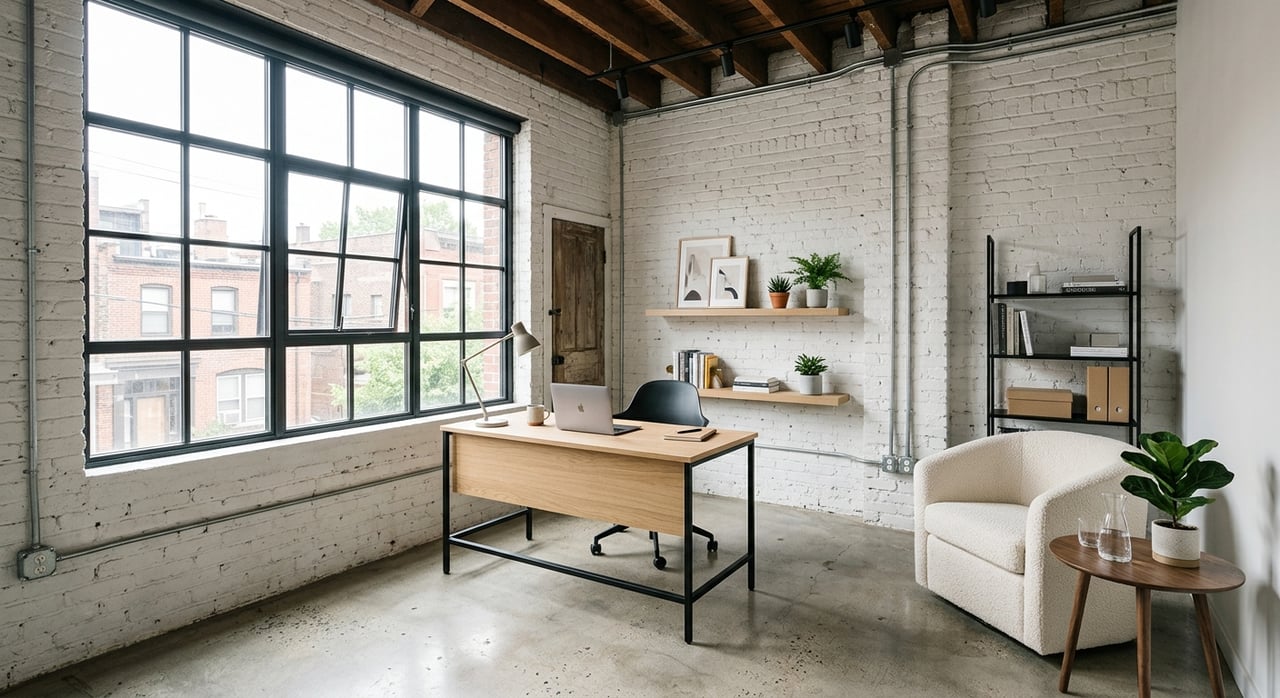
For studio users, power, ceiling clearance, loading, and equipment needs may be central. For office users, privacy, after-hours access, parking, and client arrival experience may matter more.
A Simple Tour Checklist
When you walk a potential space, keep a practical list in hand:
- Is the legal use compatible with your business model?
- How much natural light and privacy does the layout offer?
- Is there enough electrical capacity for your equipment?
- What are the HVAC hours and who controls them?
- Is there storage on-site or nearby?
- How do deliveries, loading, and trash removal work?
- Is after-hours access easy and secure?
- Are signage options clear and permitted?
- What parts of the building are shared with others?
A beautiful room is not enough if the operations do not work. Daily function should drive your final decision.
Verify Use, Occupancy, and Permits Early
Before signing a lease or paying for plans, Boston says you should verify the building’s legal occupancy and Certificate of Occupancy. You should also confirm that your intended use is allowed at that address.
This step is critical. If you assume a prior setup automatically works for your business, you could end up with delays, redesign costs, or a lease on a space you cannot use as intended.
Check the Legal Occupancy Record
Boston states that the record of legal occupancy is required before a permit can be issued for work on a building. If you expect any build-out, that record matters early in the process.
Boston also warns that approvals or provisos tied to a prior owner may not transfer automatically. In other words, a past use at the address does not always guarantee a smooth continuation for you.
Confirm Whether Your Use Is Allowed
Boston classifies uses as allowed, conditional, or forbidden through its zoning tools. If your business involves a change from one legal use to another, you may need a long-form permit.
That can affect both your budget and your opening timeline. It is better to identify that issue before negotiations are far along.
Historic District Rules Can Affect Exterior Plans
Because the South End is a landmark district, exterior changes are not just a landlord decision. Boston says the South End Landmark District Commission must approve work on front facades, visible roof areas, and side or rear elevations facing a public way.
The district standards also state that no building permit may be issued for exterior alterations without a commission certificate. If your plan includes storefront changes, exterior lighting, visible mechanicals, or signage tied to the facade, build that review into your schedule.
Timing Matters for Historic Review
Boston says the commission meets on the first Tuesday of each month. Applications must be complete 15 business days before the hearing date to be placed on the agenda.
That means small delays in document prep can easily push your timeline back by weeks. If you are targeting a specific opening date, historic review should be part of your planning from day one.
Build a Smarter Negotiation Strategy
The strongest tenants do more than fall in love with a space. They compare similar options, understand the full cost structure, and negotiate terms that support how the business actually runs.
That includes more than rent. Signage, access, improvements, renewal rights, competing-tenant protections, and sublease flexibility can all affect your revenue and your ability to adapt.
Compare Spaces the Right Way
When you review options, compare them side by side on:
- Base rent
- Additional operating costs
- Term length and renewals
- Improvement needs
- Utility setup and HVAC
- Access, parking, and loading
- Signage potential
- Permit and approval complexity
This approach helps you avoid choosing the cheapest-looking space that ends up costing more in operations or delays.
Why Local Guidance Helps in South End Leasing
Leasing in the South End often involves older buildings, nuanced corridors, and approvals that can affect timing. Even a good-looking deal can go sideways if the use is wrong, the lease language is vague, or the build-out assumptions are unrealistic.
A local commercial leasing partner can help you compare blocks, spot red flags, and frame negotiations around the terms that matter most to your business. If needed, SCORE also notes that a real estate attorney can be useful when state-specific lease language or responsibility splits are unclear.
If you are exploring office or studio space in the South End, working with a neighborhood-focused team can save time and help you make a more confident decision. Pondside Realty helps small business tenants evaluate commercial retail and office lease opportunities with practical local guidance and responsive support.
FAQs
What should small businesses look for in South End office space?
- Focus on legal use, layout, HVAC, after-hours access, utilities, parking, storage, and how clients or deliveries will reach the space.
What should small businesses look for in South End studio space?
- Pay close attention to power, loading, storage, ceiling clearance, access hours, and whether the building setup supports your equipment and workflow.
What lease terms matter most for South End commercial tenants?
- Review term length, renewal options, annual rent increases, security deposit, signage rights, maintenance, HVAC responsibility, build-out costs, and sublease or assignment rights.
Do South End businesses need to verify legal occupancy before leasing?
- Yes. Boston says you should verify the building’s legal occupancy and Certificate of Occupancy and confirm that your intended use is allowed before signing or investing in plans.
Can historic district rules affect South End office or studio build-outs?
- Yes. In the South End landmark district, exterior changes may require review and approval from the South End Landmark District Commission before a building permit can be issued.
How can small businesses choose the right South End corridor?
- Match the corridor to your business model by weighing foot traffic, access, visibility, congestion, weekend activity, and the kind of client experience you want to create.