Wondering whether a Roxbury home has real upside or just a long to-do list? That is a smart question to ask before you fall in love with original details, a roomy basement, or an attic that looks usable. In a neighborhood with older housing stock, mixed property types, and parcel-by-parcel rules, the best value-add opportunities usually come from careful research, not quick assumptions. Let’s dive in.
Why Roxbury Creates Value-Add Potential
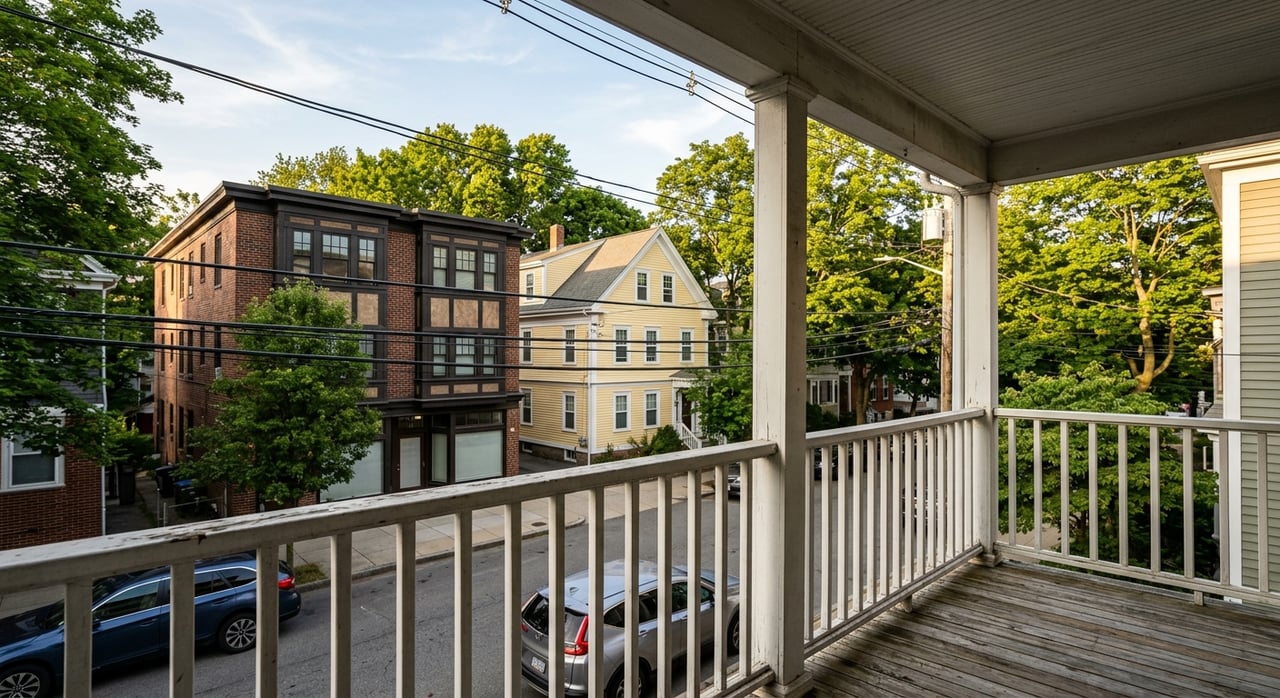
Roxbury has a housing mix that naturally creates renovation and repositioning opportunities. According to the Boston Planning & Development Agency, the neighborhood includes historic brick row houses and traditional triple deckers, which often means older layouts, dated finishes, and systems that may not match today’s buyer expectations.
That same mix is why value-add in Roxbury can be attractive but highly specific. Some homes may offer upside through cosmetic improvements or better use of existing space, while others may be limited by deed restrictions, historic issues, or other property-specific constraints. In other words, two homes on nearby blocks can have very different potential.
Roxbury is also a sizable and active housing market. The 2020 Census counted 54,533 residents and 22,451 total housing units in the neighborhood. Of the 20,681 occupied units, 5,396 were owner-occupied and 15,285 were renter-occupied, which shows a strong role for both owner-occupants and investors in the local housing picture.
It also helps to understand the neighborhood’s broader supply mix. Boston reports that Roxbury has one of the city’s highest shares of income-restricted housing stock at 45%. That matters because not every property that appears underpriced is a true value-add opportunity for resale or rental upside.
What “Value-Add” Really Means
A value-add opportunity is not always a full gut renovation. In many Roxbury homes, the most realistic upside comes from improvements that make the property more functional, more appealing, or more clearly marketable within its legal use.
That can include:
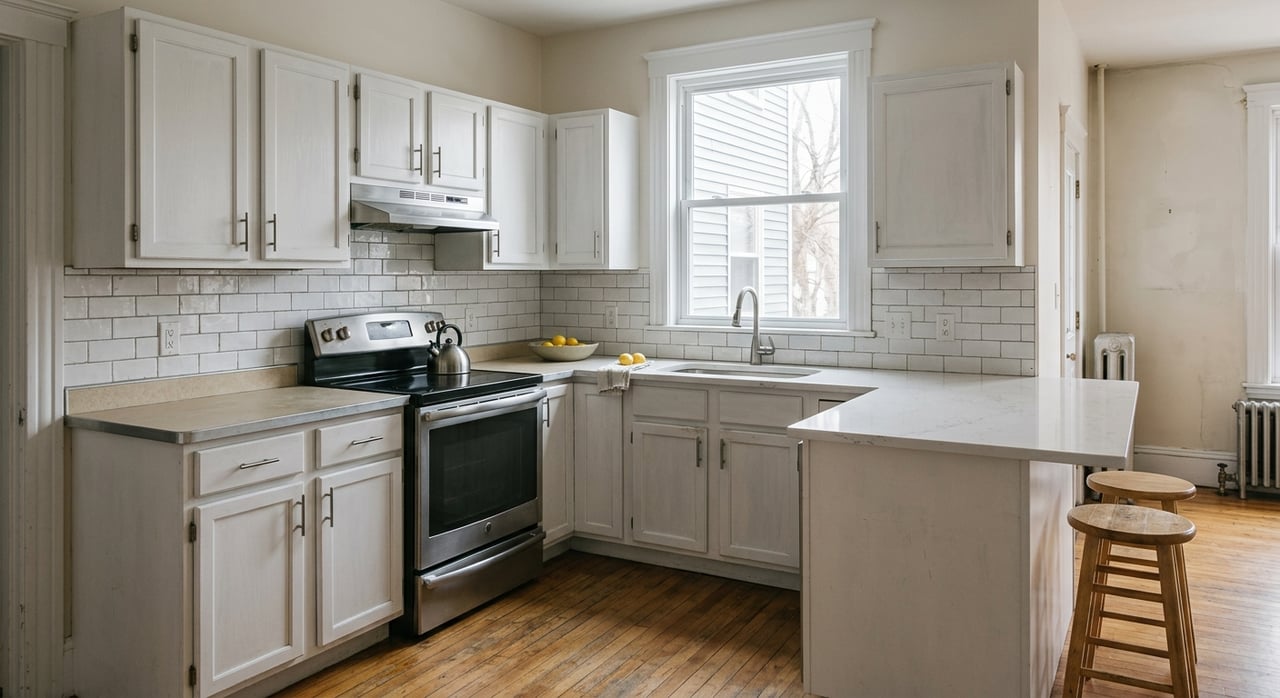
- Updating kitchens and baths
- Refinishing floors and painting interiors
- Improving lighting and flow
- Reworking awkward room layouts
- Replacing worn finishes that make the home feel dated
Sometimes the bigger temptation is to count a basement, attic, or spare room as future living area. That is where buyers can get into trouble. In Roxbury, extra value is not just about what could fit physically. It is about what is legal, permitted, and supportable in public records.
Start With Public Records First
Before you estimate renovation costs or future value, check the public record. Boston’s Property Lookup and Assessing records can show property type, classification code, lot size, living area, year built, and approved building permits.
That information gives you a more grounded starting point than a listing description alone. It can help you see whether the home’s current configuration matches the tax record and whether there is any visible permit history that supports prior updates.
For older Roxbury homes, permit research is especially important. Boston says permit records after December 15, 2009 can be searched online by address, while older plans may require a request through the City Archives. Those archives may include blueprints, architectural plans, plot plans, or Building Inspector reports, although the collection is incomplete.
A smart early checklist includes:
- Reviewing the Property Record Card
- Confirming living area and lot size
- Checking current property type and classification
- Looking for approved permit history
- Comparing the public record with the listing layout
Confirm Legal Use Before You Model Upside
This is one of the biggest steps in Roxbury. Before you assign value to a finished basement, attic suite, or extra unit, confirm the legal use of the property as it exists today.
Boston advises buyers to use the Property Record Card and the Zoning Viewer to confirm current use, lot size, zoning district, sub-district, and any overlays. That is especially important if you are looking at a home where the apparent upside depends on square footage that may not be recognized as legal living space.
If your plan depends on adding a unit, changing occupancy, or converting space, do not treat that as a design choice alone. It is a zoning and permitting question first. A property may look like it has easy expansion potential, but if the use is conditional, forbidden, or beyond dimensional limits, zoning relief may be required.
Boston notes that relief through the Zoning Board of Appeal can take several months. That timeline can change the economics of a project very quickly, especially if your budget assumes a fast renovation and resale.
Know When Permits Become the Main Story
Some projects stay fairly simple. Others cross into structural work, additions, occupancy changes, or legal reconfiguration, and that is when permitting becomes central to the deal.
Boston generally requires a Long Form, Alteration, or Change of Occupancy permit when a project changes a building’s use or occupancy. The city also says structural work falls under the long-form process, and work should not begin before the permit is issued.
Some projects may also need added approvals from Planning and Zoning, Parks, or the Landmarks Commission. If a property does not have a Record of Occupancy, Boston says no permits will be issued until that issue is resolved. That can create delays that are easy to miss if you focus only on finishes and contractor pricing.
Additions and detached structures also require building permits and site plan review. So if your value-add plan includes expanding the footprint or adding a new accessory structure, make sure you understand that process before you run the numbers.
Use MLS Data the Right Way
Market data matters, but in Roxbury, you need to use it carefully. The Massachusetts Association of Realtors reports local metrics like closed sales, median sale price, inventory, months supply, cumulative days on market, percent of original list price received, and new listings. It also warns that one month of local data can look extreme because sample sizes are small.
That warning is especially relevant in Roxbury. In November 2025, there were only 2 single-family closings at a median sale price of $634,500, with 3 homes for sale. Condos had 3 closings at a median of $569,000, with 16 homes for sale. A January 2026 update again showed very thin single-family activity and only 5 condo closings.
The takeaway is simple: do not anchor your plan to one headline number. Instead, compare several months of comps, sort by property type, and pay attention to days on market, inventory levels, and sold-to-list trends. That gives you a better read on whether a cosmetic refresh or layout improvement is likely to be recognized by the market.
Signs a Roxbury Home May Offer Real Upside
Not every dated home is a strong candidate. The better opportunities usually show a gap between current presentation and legal, market-supported potential.
Look for signs like:
- Dated but functional kitchens and baths
- Poor lighting or awkward room flow
- Deferred cosmetic maintenance rather than major structural uncertainty
- Public records that support the current layout
- A price position that makes sense against recent comparable sales
You may also find opportunity in homes where the value is hidden by presentation. A property with worn finishes, cluttered rooms, or an outdated floor plan may attract less competition than a fully polished listing, even if the core structure and legal use are sound.
Red Flags That Can Shrink the Opportunity
The other side of the equation is knowing when to slow down. In Roxbury, value-add can disappear quickly when the upside depends on assumptions that are not backed by records or zoning.
Watch for red flags such as:
- Basement or attic space advertised loosely without clear legal status
- Mismatch between listing details and the property record card
- Missing or unclear permit history for major prior work
- Plans that require zoning relief on a tight budget or timeline
- Affordability restrictions, overlays, or review issues that limit changes
These do not always mean you should walk away. They do mean you should underwrite the property more carefully and get the right professionals involved before you decide what the opportunity is worth.
Questions to Ask Early in the Search
When you tour value-add homes in Roxbury, the best questions are often simple. The goal is to separate cosmetic promise from legal and financial reality.
Ask early:
- Is the current use legal as-is?
- Do public records show prior permits, additions, or occupancy changes?
- Would the planned work be as-of-right, or would it require zoning relief?
- Is the upside mostly cosmetic, or does it rely on creating legal square footage?
- Are there restrictions or overlays that could limit the plan?
Those questions can save you time, money, and frustration. They also help you compare homes more objectively when several listings seem to offer similar potential on the surface.
Why Local Guidance Matters in Roxbury
Roxbury is not a market where you want to rely on guesswork. The neighborhood’s mix of older housing stock, varied parcel conditions, thin monthly sales samples, and zoning differences means each property needs its own review.
That is why local, hands-on guidance matters. When you work with a team that understands Boston records, neighborhood housing types, and how to frame value-add potential realistically, you can make better decisions and avoid paying for upside that may never materialize.
Whether you are a buyer looking for an owner-occupant project or a small investor studying a multi-family opportunity, the strongest deals usually start with disciplined due diligence. If you want help evaluating Roxbury homes with value-add potential, connect with Pondside Realty for practical, neighborhood-based guidance.
FAQs
What counts as a value-add opportunity in Roxbury homes?
- In Roxbury, value-add often means cosmetic updates, layout improvements, or legally supportable changes that improve function and market appeal without assuming unverified extra living space.
Why should buyers check Boston property records for Roxbury homes?
- Boston property records can help you confirm property type, living area, lot size, year built, and permit history before you estimate renovation scope or future resale potential.
Can you convert a basement or attic into legal living space in Roxbury?
- You should not assume that basement or attic space can be counted as legal living area without verifying current use, zoning, and permit requirements through Boston records and the Zoning Viewer.
How important is zoning when evaluating Roxbury value-add deals?
- Zoning is critical because a project that changes use, occupancy, or dimensional compliance may require relief or additional approvals, which can affect budget and timeline.
How should buyers use Roxbury MLS data when judging upside?
- Use several months of comparable sales by property type and review inventory, days on market, and sold-to-list trends, since monthly Roxbury sales volume can be too small to support broad assumptions.
What is the first question to ask about a Roxbury fixer-upper?
- A strong first question is whether the current use is legal as-is, because the answer shapes what improvements are realistic and what kind of permitting may be required.