If you own a Dorchester multi-family, getting ready to sell is about more than tidying up and taking photos. Buyers today are looking at your property as both a home and an income-producing asset, and they tend to notice risk fast. When you prepare the right paperwork, fix the right issues, and plan showings carefully, you can make the sale feel smoother from the start. Let’s dive in.
Why Dorchester prep matters
Dorchester has a large and varied housing stock, with 49,565 housing units and a strong rental presence. Boston Planning reports that 61.6% of housing in Dorchester is renter-occupied, and half of the area’s units have 3 or more bedrooms. That means many buyers are evaluating a multi-family here with both livability and rental performance in mind.
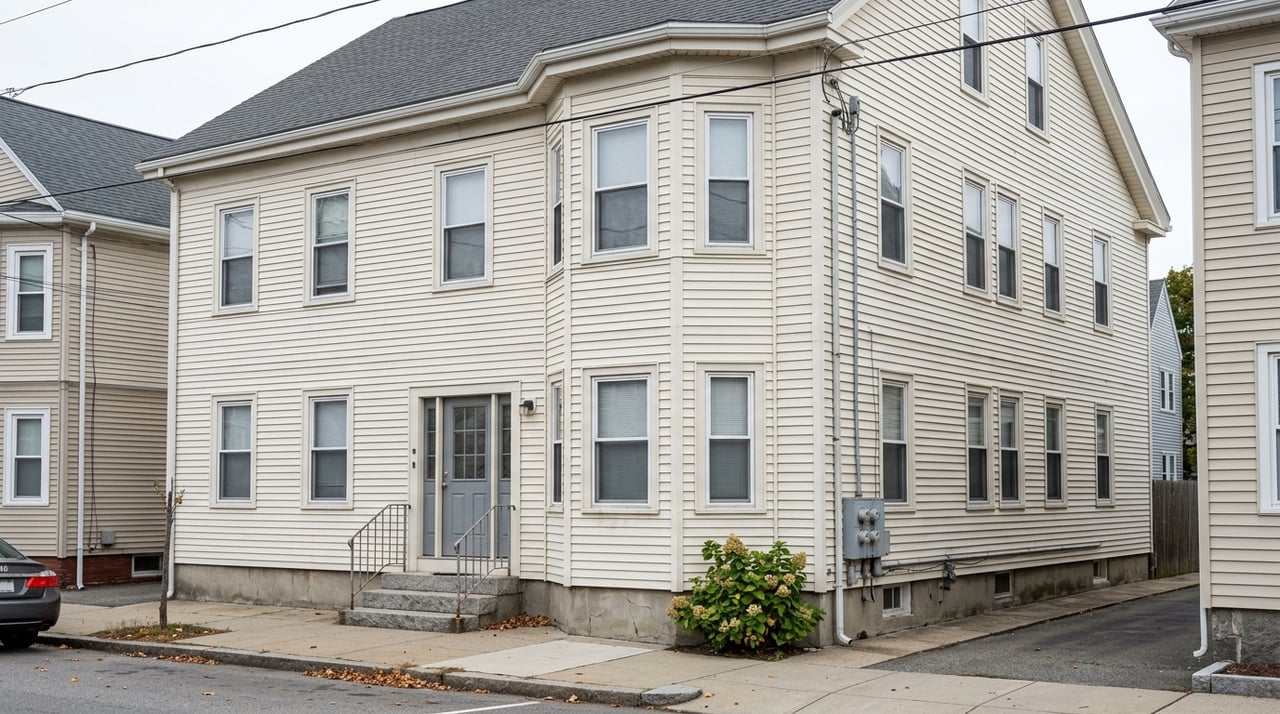
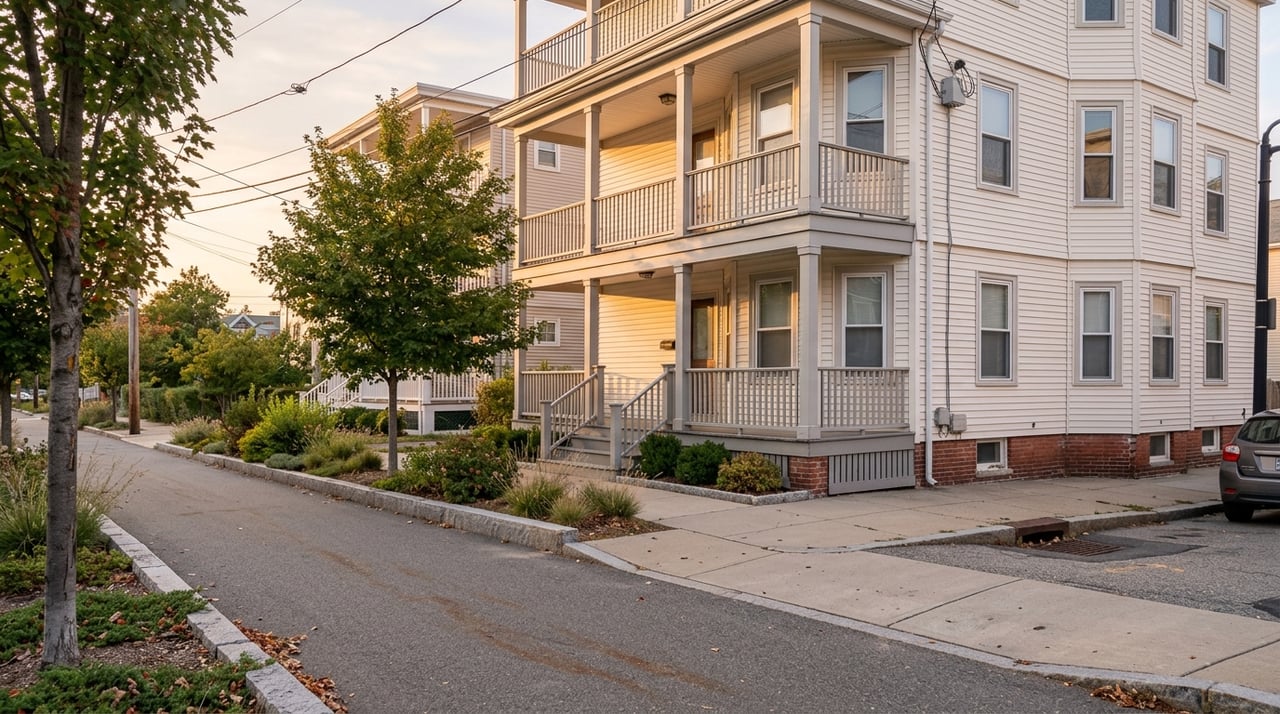
Dorchester also has a long-standing small multi-family identity. Under Boston’s Article 65 zoning, 3F and 3F-D subdistricts reflect areas where three-family homes and triple-deckers are common housing types. In other words, your building is likely entering a market where buyers already understand the product, but they will compare it closely on condition, income stability, and documentation.
Current market context also supports careful prep. Redfin reports Dorchester homes were selling in about 56.5 days on average in March 2026 and receiving about 2 offers on average. That is not a multifamily-only number, but it does suggest that strong presentation and clean records can help your property stand out.
Start with your paperwork
Before you think about staging, start with your file. A buyer’s lender and attorney will want to see that the building is organized, well managed, and easy to understand. If your documents are scattered, the sale can feel riskier than it needs to.
Massachusetts guidance says rental agreements should identify the owner, the maintenance contact, and the person authorized to receive legal notices. Tenants must also receive a legible copy of the lease. For your sale prep, that means you should gather every signed lease, amendment, and side agreement in one place.
Key documents to organize
- Current rent roll
- Signed leases for each unit
- Lease amendments or side agreements
- Security deposit records
- Lead paint notifications and reports, if applicable
- Repair history
- Permits for completed work
- Contractor invoices
- Warranties for systems or improvements
A clean document package helps buyers confirm income, occupancy terms, and building history. It also helps your agent answer questions quickly, which can keep momentum going during showings and negotiations.
Review security deposit records carefully
Security deposits deserve special attention in Massachusetts. State rules require the deposit to be held in a separate interest-bearing account, along with a written receipt and a signed statement of condition within 10 days of collecting the deposit. If those records are missing or incomplete, buyers may see that as a red flag.
If the property changes hands, the seller must transfer the security deposit and accrued interest to the new owner or manager. The new owner or manager then has 45 days to notify the tenant. Getting this organized before listing can prevent delays later, especially once attorneys begin reviewing the file.
Pull together lead paperwork early
If your building was built before 1978, lead documentation should be part of your listing prep from day one. Massachusetts requires owners, sellers, real estate agents, and rental owners to notify buyers and tenants of lead risks. New tenants must also receive the required Tenant Notification and Certification forms, along with any existing lead inspection or risk assessment reports.
In Dorchester, this is often a normal part of due diligence rather than an unusual issue. Still, it is much better to have the paperwork ready before a buyer asks for it. Being proactive can make your property feel better managed and easier to underwrite.
Focus repairs on buyer friction
The highest-value prep is not always a full renovation. In many Dorchester multi-families, the smarter move is to remove the issues that make buyers hesitate. Massachusetts requires landlords to provide safe, well-maintained housing, so visible maintenance problems tend to carry more weight than cosmetic upgrades.
Start with the basics that buyers, inspectors, and appraisers notice right away. A clean, functional building often performs better than one with stylish finishes but unresolved repair issues.
Repairs to prioritize before listing
- Leaks or signs of water intrusion
- Broken locks, latches, or hardware
- Damaged stairs or loose railings
- Poor lighting in entries, halls, or basements
- Peeling paint or chipping surfaces
- Untidy common areas
- Deferred exterior maintenance that is easy to spot
These issues can shape a buyer’s first impression fast. For owner-occupants and small investors alike, obvious maintenance concerns can raise questions about what else may be hiding.
Treat peeling paint seriously
If your property is pre-1978, peeling paint is not just cosmetic. Massachusetts lead law requires seller-side notification of lead risks when a pre-1978 property is sold or rented. Paint condition, window wells, and other chipping surfaces should be reviewed before photography and showings begin.
This matters in Dorchester because many multi-family buildings are older housing stock. Taking care of visible paint issues and organizing lead records early can help reduce stress once buyers start asking detailed questions.
Highlight practical livability
Dorchester buyers are not only shopping for finishes. Boston Planning data shows that 27.3% of households in Dorchester have no vehicle, and half of the neighborhood’s units have 3 or more bedrooms. That makes practical features especially relevant during sale prep and marketing.
Think about how your building functions in everyday life. Clear storage areas, usable common spaces, easy entry, and an orderly basement can all help buyers picture how the property works for residents and future tenants. If parking, transit access, or flexible layouts are part of the property’s appeal, make sure those details are easy to understand during showings.
Make showings easier with a plan
Occupied multi-family sales require extra care. Massachusetts guidance says landlords must arrange in advance to enter a unit for repairs, inspections, or to show it to prospective buyers or real estate agents. There is no single statewide statutory 24-hour notice rule, so the safest approach is to follow the lease, communicate early, and confirm access in writing.
A calm showing plan can protect tenant relationships and improve the buyer experience. When access feels disorganized, buyers may assume management has been disorganized too. A predictable schedule helps everyone.
Showing tips for occupied units
- Review each lease for notice and access terms
- Give notice as early as possible
- Confirm showings in writing
- Keep communication polite and consistent
- Coordinate around tenant schedules when you can
- Make sure common areas are clean before each visit
Consistent, neutral communication matters. Massachusetts fair housing law prohibits discrimination in the sale and rental of housing, including based on source of income, familial status, disability, race, and other protected characteristics. During the sale process, that means using even-handed scheduling and professional communication with every household.
Plan early if you want vacancy
If your goal is to deliver one or more units vacant at closing, start planning as early as possible. In Massachusetts, a sale does not automatically end a tenancy. A landlord generally must serve a Notice to Quit before filing an eviction case, and only a court order can force a tenant to leave.
That means timing matters. If vacancy is important to your sale strategy, you need to understand your existing tenancy timeline and build that into your listing plan. Waiting until the property is on the market can create unnecessary pressure.
Show buyers a low-risk building
In a market where buyers are underwriting both the property and the tenancy, your goal is to make the building feel predictable. That does not mean perfect. It means well documented, visibly maintained, and straightforward to evaluate.
For many Dorchester sellers, the strongest position comes from combining five things:
- Clean leases
- Accurate rent and deposit records
- Ready lead paperwork, if applicable
- Visible maintenance
- A clear tenant-access plan
That combination can support stronger buyer confidence and smoother negotiations. It also reflects what many small multifamily buyers want most, which is fewer surprises.
If you are preparing to sell a Dorchester multi-family, a local, hands-on strategy can make a real difference. Pondside Realty helps owners navigate pricing, prep, marketing, and the moving parts that come with occupied and income-producing properties.
FAQs
What paperwork should you gather before selling a Dorchester multi-family?
- You should gather signed leases, lease amendments, a current rent roll, security deposit records, lead paperwork if the building was built before 1978, and records for permits, repairs, invoices, and warranties.
What repairs matter most before listing a Dorchester multi-family?
- The best first repairs are usually leaks, broken hardware, damaged stairs or railings, poor lighting, peeling paint, and messy common areas because buyers often see these as risk signals.
What should Dorchester sellers know about tenant showings in Massachusetts?
- You should follow the lease, communicate early, arrange entry in advance, and confirm access in writing because tenants have a right to occupy the apartment and there is no single statewide 24-hour notice rule.
What should sellers know about security deposits when selling a Massachusetts multi-family?
- You need to have clear deposit records, because Massachusetts requires separate interest-bearing accounts and, after a sale, the deposit and accrued interest must be transferred to the new owner or manager.
What should Dorchester sellers know about lead paint paperwork?
- If the building was built before 1978, you should have lead notifications and any existing lead inspection or risk assessment reports ready because Massachusetts requires disclosure of lead risks in sales and rentals.
Can selling a Dorchester multi-family automatically remove tenants?
- No. In Massachusetts, a sale does not automatically end a tenancy, and only a court order can force a tenant to leave.