If you are looking at a Dorchester triple-decker as a long-term investment, the big question is not just whether the numbers work today. It is whether the building, the block, and your operating plan will still make sense years from now. In a neighborhood as large and varied as Dorchester, that takes more than a quick rent estimate. This guide will help you evaluate demand, costs, zoning, renovation risk, and exit options so you can make a smarter hold decision. Let’s dive in.
Dorchester Is Not One Market
Dorchester is Boston’s largest neighborhood, with smaller communities and commercial hubs that shape demand in different ways. Boston Planning identifies areas such as Codman Square, Jones Hill, Meeting House Hill, Pope's Hill, Savin Hill, Harbor Point, Lower Mills, and Port Norfolk, along with commercial anchors like Fields Corner, Upham's Corner, Ashmont Station, Neponset Circle, Adams Village, and Morrissey Boulevard.
That matters because a triple-decker near one village center may perform very differently from a similar building a few streets away. For a long-term investor, block-level context can affect tenant demand, renovation upside, and resale appeal. In Dorchester, you want to underwrite the specific micro-location, not just the neighborhood name.
Why Triple-Deckers Fit Dorchester
Dorchester’s housing mix supports the classic three-family investment model. In 2025, the neighborhood had 49,565 housing units and 123,056 residents, with 56.9% of occupied units renter-occupied and 38.4% owner-occupied.
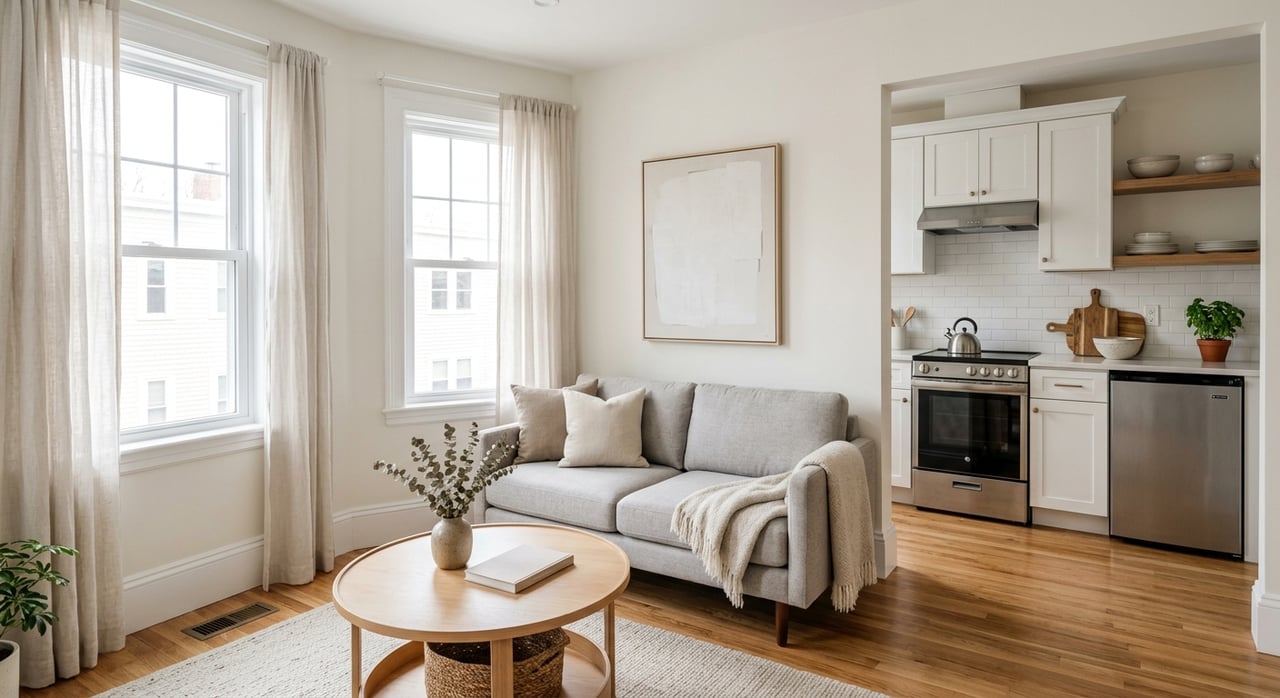
The unit mix is especially useful for triple-decker buyers. Boston Planning reports that 50.0% of occupied units have three or more bedrooms, 34.2% have two bedrooms, and 15.8% are studios or one-bedroom units. That suggests larger floor plans are not a mismatch here. They can be a real strength if you are planning for stable, longer-term occupancy.
Dorchester also sits at a different price point than Boston overall. The 2024 median asking rent for a market-rate two-bedroom was $2,800 in Dorchester compared with $3,200 citywide, while the 2024 median household income was $73,213 in Dorchester versus $94,734 across Boston. Those figures can help you stay grounded when stress-testing rents and affordability.
Start With a Realistic Rent Roll
A good long-term buy starts with honest income assumptions. In Dorchester, that means comparing the building’s current and projected rents to the neighborhood’s renter base, larger-unit demand, and local income profile.
If a triple-decker has spacious two- or three-bedroom units, that may support durable leasing demand. At the same time, you should be careful about underwriting aggressive rent jumps just because a unit looks large on paper. A practical rent roll is usually stronger than a best-case one.
As you review income, focus on a few basics:
- Current lease terms and expiration dates
- Unit size and bedroom count
- Whether rents reflect actual condition and layout
- Whether utility responsibility is clearly assigned
- Whether vacancy assumptions match the building’s location and finish level
Boston Taxes Can Change the Math
Property taxes are a major part of the hold calculation. Boston’s FY2026 residential property tax rate is $12.40 per $1,000 of assessed value, and the city also applies a 1% Community Preservation Act surcharge to taxable property after exemptions.
If you plan to live in one unit, the residential exemption can materially improve your return. Boston states that eligible owner-occupants could save up to $4,353.74 in FY2026. For many buyers considering a house-hack or owner-occupied strategy, that one item can meaningfully improve cash flow.
Operating Costs Need a Closer Look
Older triple-deckers often look straightforward from the outside, but the operating budget can hide surprises. Annual registration, periodic inspections, utilities, maintenance, and compliance work all deserve close review before you buy.
Boston requires every rental property to be registered annually. Rental properties are generally selected for inspection once every five years, but buildings with six or fewer units are exempt from the inspection requirement if the owner lives in one of the units. If an inspection is required, the fee is $50 per unit for one-to-three-unit buildings.
That owner-occupant distinction is important. If you are deciding between a pure investment hold and living in one unit, the operating-cost difference is not just about taxes. It can also affect inspection requirements and ongoing management complexity.
Check Utility Setup Before You Commit
Utility structure is one of the most common weak spots in older multi-family buildings. In Massachusetts, owners generally must pay for electricity for each unit unless the unit has a separate meter installed, maintained, and read by the utility company and the lease clearly makes the tenant responsible.
In practical terms, shared meters and common-area loads can reduce net income more than buyers expect. Before you underwrite the deal, confirm how each unit is metered, who pays for what, and whether any billing setup would need to change after closing.
Renovation Upside Is Real, But So Is Risk
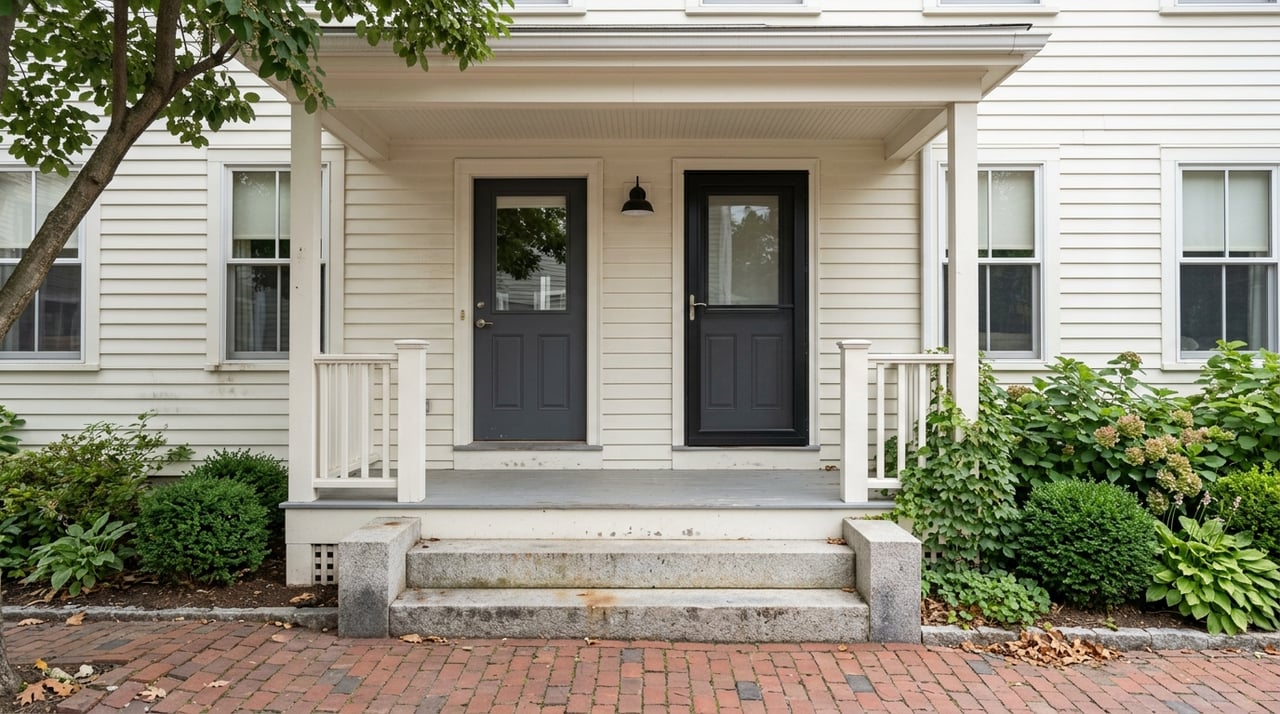
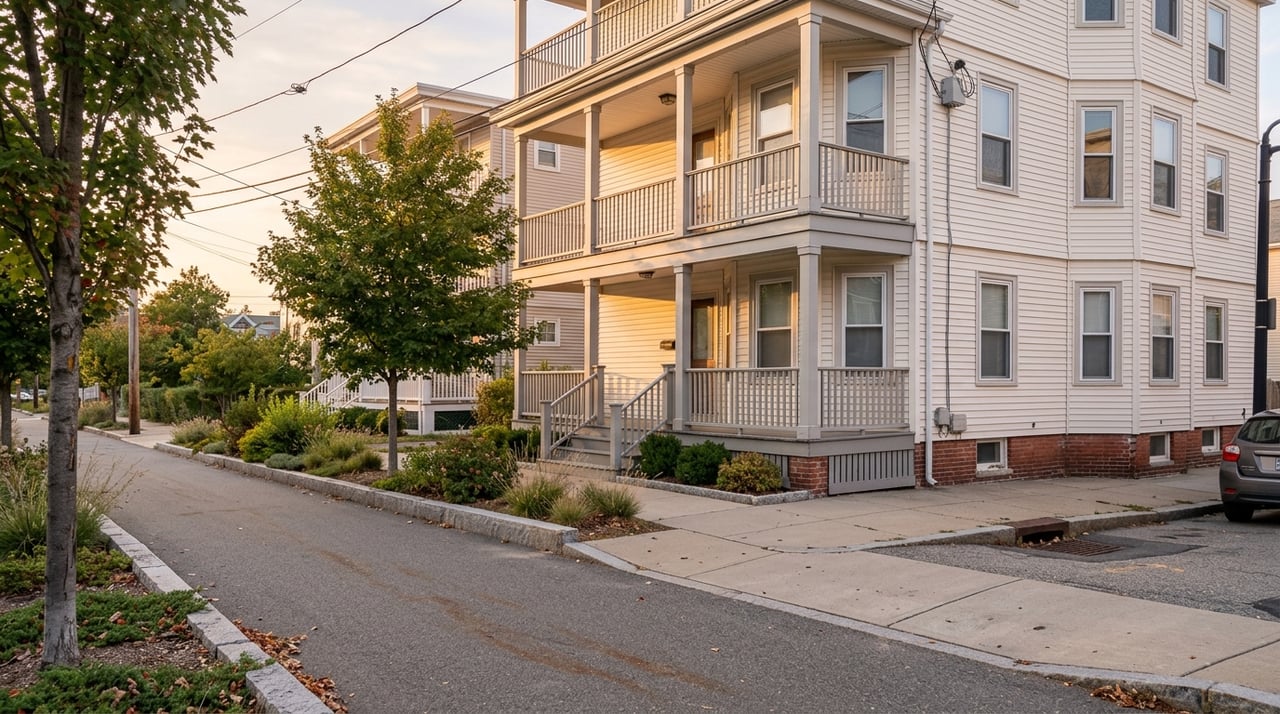
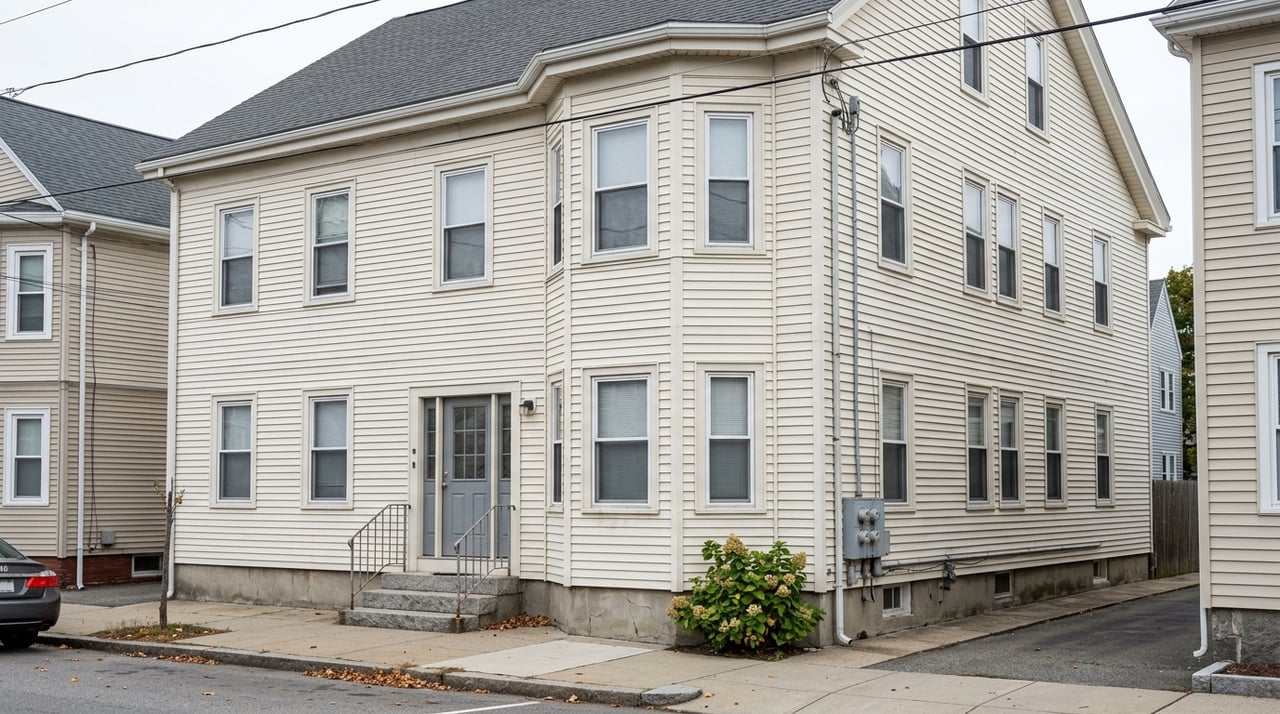
Dorchester triple-deckers often offer value-add potential because many are older buildings. Boston Planning notes that triple-deckers emerged from the 1880s through the 1930s and became a defining local housing type. That charm can be an asset, but older systems and layouts can also make renovations more expensive and less predictable.
Even modest changes may trigger zoning review or a variance process because much of Boston’s small-scale housing predates modern zoning. That means your renovation budget should include both construction risk and approval risk. A project that looks simple on a contractor walk-through may not be simple once zoning and design review enter the picture.
Dorchester Zoning Is a Major Deal Variable
Zoning deserves its own review early in the process. Dorchester includes both Three-Family Residential 3F subdistricts and Triple-Decker Residential 3F-D subdistricts under Article 65.
That distinction matters because the 3F-D districts were created in areas where triple-deckers are the predominant housing type and are intended to accommodate and encourage triple-decker buildings as of right. In other words, some parts of Dorchester are more naturally aligned with this housing type than others. You should never assume the same zoning logic applies across the whole neighborhood.
Exterior Changes May Face Design Review
Even if the base zoning looks favorable, another layer may apply. The Dorchester Neighborhood Design Overlay District exists to protect historic character, neighborhood scale, and the pedestrian environment.
According to Boston Planning, design review can be triggered by changes in roof shape, cornice line, street wall height, building height, or exterior wall area over 300 square feet. If your investment plan depends on a visible addition or expansion, treat that as approval-dependent. It may still be possible, but it should not be modeled as automatic upside.
ADUs Can Be Useful for Owner-Occupants
For buyers planning to live in one unit, an accessory dwelling unit may be worth exploring. Boston currently allows owner-occupants of one-, two-, and three-family homes to add one internal ADU throughout the city using only the existing building footprint.
That makes basement or attic conversions the most practical option in many triple-deckers. Boston states that attached and detached ADUs are not currently allowed by right and may require a zoning variance through the Zoning Board of Appeal. If an ADU is part of your hold strategy, make sure the layout, code requirements, and approval path all support the idea.
Older-Building Compliance Should Be Underwritten
Compliance is not a side issue in a Dorchester triple-decker. It is part of the asset. Homes built before 1978 require lead disclosure when rented, and if a child under age 6 will live in the unit, the owner must delead the property or place lead hazards under interim control.
You should also account for baseline habitability requirements. Boston tenants are entitled to safe and sanitary housing under state and local housing rules, including working smoke and carbon-monoxide detectors, heat, water, adequate exits, and pest-free conditions. If a building has deferred maintenance, those items can quickly turn into real capital costs.
Build a Hold Strategy Before You Buy
The best Dorchester triple-decker investments usually have a clear plan from day one. For many buyers, the simplest long-term strategy is to stabilize the building as a rental and let cash flow, tax treatment, and gradual appreciation do the work.
If you plan to owner-occupy, the hold case may improve because of the residential exemption and lighter inspection rules for small owner-occupied buildings. That does not make every owner-occupied deal better, but it can make the financial model more resilient.
Be Careful With Condo Conversion Assumptions
Some investors buy a triple-decker assuming a future condo exit will be easy. In Boston, that deserves a much earlier review. The city’s Condominium and Cooperative Conversion Ordinance requires covered properties to provide tenant notice, a conversion plan, and a conversion permit.
Boston also states that tenants can receive a one-year lease extension, first right of refusal to purchase, and relocation benefits. The city notes these protections are especially relevant for buildings with four or more rental units, so buyers should verify how a specific three-family property fits the rules before relying on condo conversion as a clean exit.
Short-Term Rental Income Is Narrower Than It Looks
Short-term rental potential is another area where buyers can overestimate upside. Boston allows short-term rentals only in owner-occupied condominiums, single-family homes, two-family homes, and three-family buildings, and in two- and three-family buildings the owner-occupant must own all units.
Short-term rentals must also be registered and cannot be used for units subject to affordability covenants or rental assistance. They can also be suspended if the property has outstanding qualifying violations. If short-term rental income is part of your long-term plan, treat it as a tightly regulated strategy, not easy bonus income.
What Strong Dorchester Deals Usually Have
A strong long-term triple-decker buy in Dorchester usually lines up four things at once: realistic income, a complete expense picture, a building that fits its zoning context, and an exit strategy that matches the property.
That often means asking practical questions before you get attached to the deal:
- Does the current rent roll make sense for the unit sizes and condition?
- Will taxes, utilities, and compliance costs leave enough room in the budget?
- Does the zoning support your intended use or renovation plan?
- Is the location aligned with steady demand for this unit mix?
- Are you buying for stable hold income, owner-occupancy, or a more complicated exit?
When those answers line up, Dorchester triple-deckers can be compelling long-term assets. When they do not, even a beautiful building can become a difficult hold.
If you are weighing a Dorchester multi-family purchase, Pondside Realty brings hands-on guidance across sales, leasing, and property operations to help you evaluate the deal from every angle.
FAQs
What makes Dorchester triple-deckers different from other Boston multi-family properties?
- Dorchester has strong multi-family relevance because of its large renter base, larger unit mix, and block-by-block variation across village centers and sub-neighborhoods.
How should you evaluate rent potential in a Dorchester triple-decker?
- Compare current and projected rents to local unit sizes, neighborhood demand, and Dorchester’s income and rent levels rather than relying on optimistic citywide assumptions.
What Boston tax break matters for an owner-occupied triple-decker?
- Eligible owner-occupants may qualify for Boston’s residential exemption, which can reduce the annual tax burden and improve long-term returns.
What zoning issue should you check before buying a Dorchester triple-decker?
- You should confirm whether the property sits in a 3F or 3F-D subdistrict and whether any planned renovation may trigger additional zoning or design review.
Can you add an ADU to a Dorchester triple-decker?
- Boston allows owner-occupants of one-, two-, and three-family homes to add one internal ADU within the existing building footprint, which often makes basement or attic conversions the most realistic option.
Are short-term rentals allowed in Boston three-family buildings?
- Yes, but only in owner-occupied three-family buildings where the owner-occupant owns all units, and the short-term rental must meet registration and compliance rules.