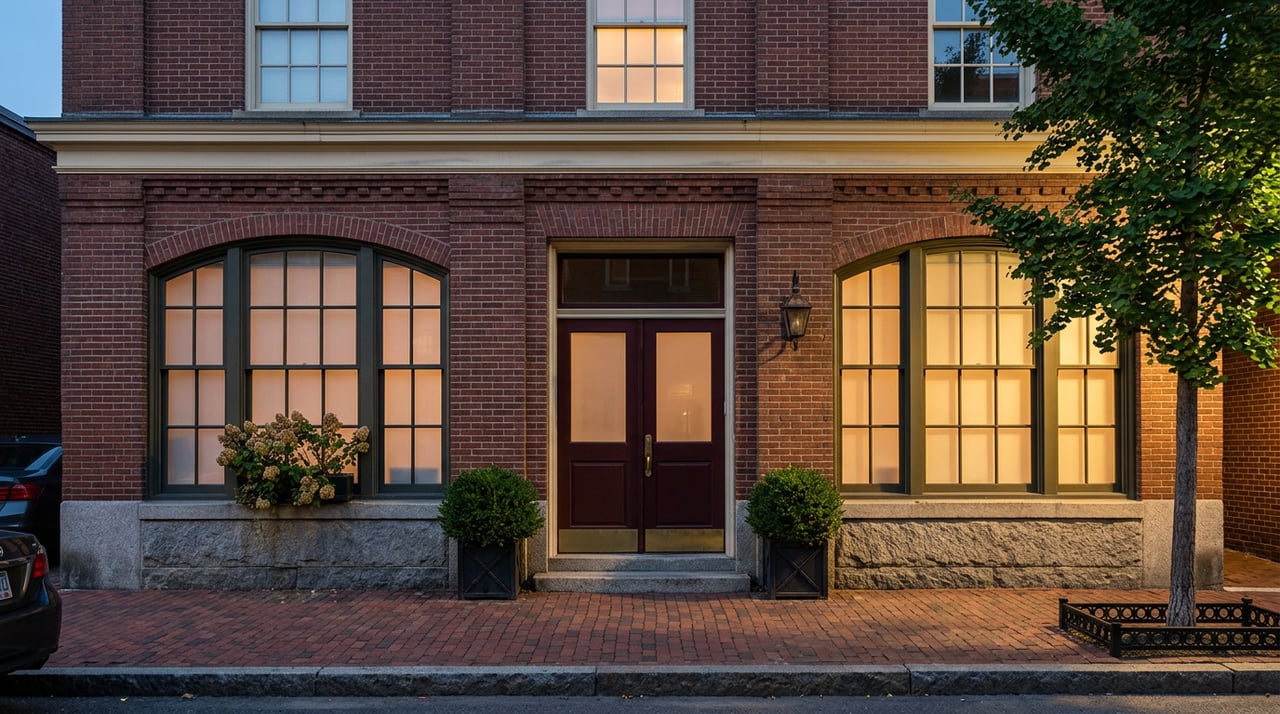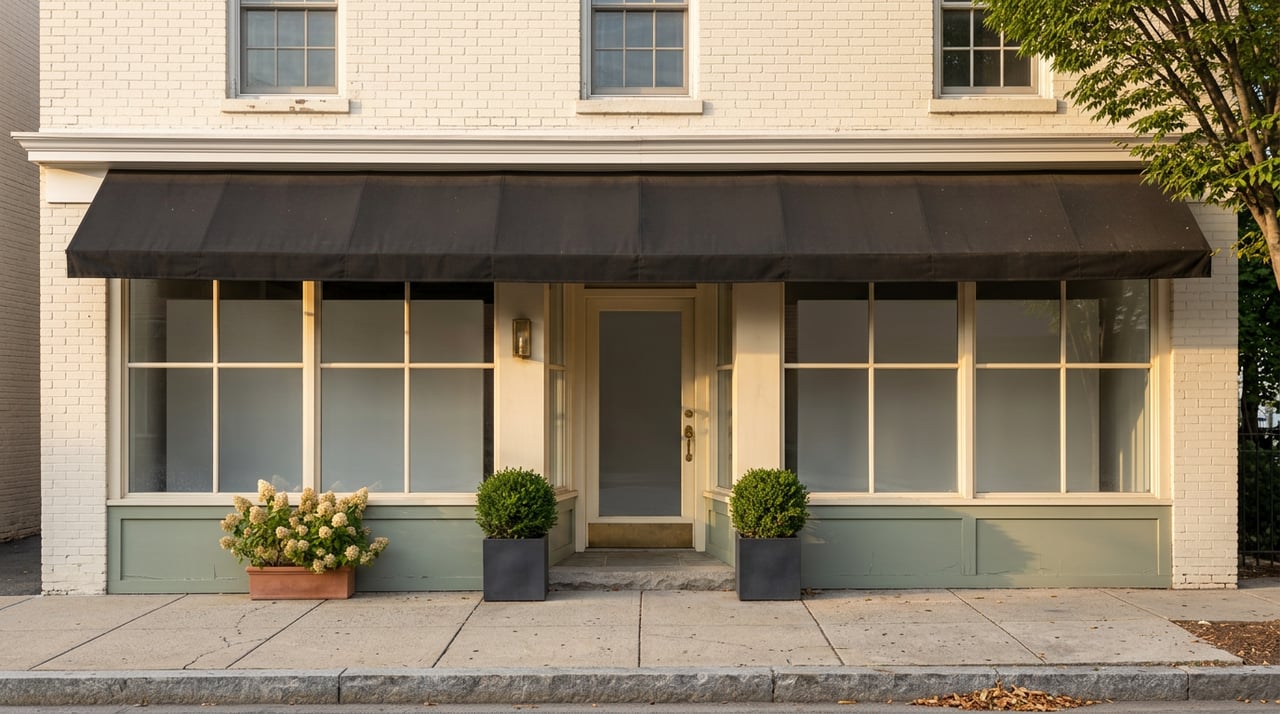
The story going around the square this summer is that Roslindale is having a moment. New tavern on Centre Street, an old dive back from the dead, a Mexican and Salvadoran concept moving into a building that sat vacant for years. Ask anyone who's lived here a decade and they'll tell you the neighborhood finally caught up to Jamaica Plain, or that the young families priced out of the South End found their spot.
That story is mostly wrong, or at least it's answering the wrong question. Roslindale didn't get more interesting. It got more paperwork.
The Bottleneck Was Never Demand
For years, opening a full-service bar in Roslindale meant one of two things: paying a steep premium for an existing liquor license on the private market, or waiting for one to become available through a transfer and hoping you were first in line. Boston's liquor license supply has been capped for decades, and the caps don't move with population or foot traffic. A neighborhood could have every restaurant packed on a Friday night and still have no legal path to a new full bar.
That changed when the state legislature granted Boston a batch of new neighborhood-specific liquor licenses, the kind tied to a particular area rather than sold on the open market. Knoll Street Tavern, the pub that opened January 27 at 1410 Centre Street, got one of these at a licensing board hearing last year. Andrew Tremble and Conor Ford, who built the place with a 30-seat bar and 66 table seats and a scratch kitchen, didn't get lucky on a transfer. They applied for a license that simply didn't exist in Roslindale before the legislature created it.
That's the mechanism. Everything else is downstream of it.
What Actually Opened, and Where
Knoll Street sits on a lot with real history. Before it was Kelleher's Bar and Grille, it was P.J. Kelleher's, and before that Kelly & Whalen's, and before that Flynn's, a run of neighborhood drinking spots stretching back to the 1950s. Tremble came over from Porter Cafe down Centre Street in West Roxbury, so the pedigree is local, not imported.
A few blocks down Washington Street, J.J. Brannelly's came back in September 2025 after a renovation that had been announced, delayed, and announced again through most of the pandemic years. The interior is redone, the keno machines are back, and for longtime residents the return reads less like novelty and more like something restored that had been genuinely missing.
At 4195 Washington Street, La Hacienda got Boston Licensing Board approval on February 12 to take over the old Napper Tandy's building and license. The company already runs Mexican and Salvadoran restaurants in East Boston, Revere, and Everett, and this will be their fourth location. That gives the square three distinct takes on the cuisine already, since Chilacates does Mexican street food and Mi Finca at Washington and Corinth serves Mexican alongside pizza and subs.
None of this required Roslindale to become a different kind of place. It required Roslindale to be allowed to build the kind of place it already had customers for.
Two Circuits, Not One Scene
Walk the neighborhood on a Saturday and you'll notice the new spots don't compete with each other so much as split into two distinct circuits that rarely overlap.
Birch Street Plaza is the daytime and early-evening anchor. Midnight Morning runs as a coffee shop by morning, a lunch cafe by afternoon, and a cocktail bar by night, with an executive chef turning out a globally inspired menu that shifts with the seasons. Right on the same plaza, Distraction Brewing Co. gives that block a proper two-option loop, dinner at one spot and a beer at the next without walking more than a few steps. Midnight Morning can see the Roslindale Village commuter rail stop from its front door, which probably explains as much about why it fills up on weeknights as anything on the menu does.
The Washington and Centre corridor, by contrast, skews pub and evening. It's Centre Street regulars who remember what the block looked like before any of the new licenses, more beer than natural wine, more scratch-kitchen bar food than seasonal small plates. Neither circuit is trying to be the other, and that's the part that makes the whole picture hold together instead of collapsing into one generic strip.
If you already live here, this is probably a distinction you've felt without naming it. You have a Birch Street kind of night and a Washington Street kind of night, and you don't usually confuse the two.
The Part That Didn't Need a License
Underneath all of this, Adams Park keeps doing what it's done for three decades. The Roslindale Village Main Street Farmers Market opened its 2026 summer season on June 6 and runs every Saturday through November 21. It draws around 30 vendors and roughly 3,000 shoppers a week, and organizers estimate the market has generated four million dollars for local and regional vendors and Roslindale businesses over its 30-year run.
That number is worth sitting with for a second, because it predates every bar that opened this year by decades. The nightlife wave is new. The Saturday morning crowd at Adams Park is not. Fornax Bread Company, Sophia's Grotto, Pleasant Cafe, and City Feed and Supply at the corner of Centre and Corey were already doing steady business before a single new license got approved. The new openings are layering onto a scene that was worth the trip long before this year's headlines.
What's Actually on the Calendar
If you're planning the next few weekends, here's what's confirmed and dated, not vague seasonal color.
The Square Root, the cafe and live music venue at 2 Corinth Street, runs Jazz Sundays twice a month, a series pianist Brian Friedland has curated since 2019. The next date on the calendar is Sunday, August 23, when the Brian Friedland Sextet takes the stage at 7 p.m. followed by a themed jam, so if you're going for the music, plan to stay past the last song.
Beyond jazz, the neighborhood's music calendar builds toward one clear date: Roslindale Porch Fest returns Saturday, September 19, a free, all-ages festival where bands set up on porches, driveways, and yards across the neighborhood rather than a single stage. It's entirely volunteer run and funded by community donations, and past years have drawn more than 150 bands, singers, and DJs spread across a walkable route through the neighborhood.
What All This Adds Up To
The easy read on Roslindale this year is gentrification arriving late, the same story every Boston neighborhood eventually gets told about itself. The more accurate read is narrower and more useful if you actually live here. A regulatory bottleneck loosened, and the neighborhood's existing demand for places to eat and drink finally had somewhere legal to go. The Farmers Market didn't need a new license to keep pulling three thousand people to Adams Park on a Saturday. Fornax didn't need one to keep selling out of bread. What changed is that the neighborhood can now support a Tuesday night out that isn't just a repeat of the same four spots it's had for fifteen years.
Two circuits, one long-running market, and a calendar that keeps stacking free, walkable events through the fall. That's not a neighborhood becoming something else. That's a neighborhood finally getting the infrastructure to be more fully what it already was.
If you're the kind of person who tracks these shifts because you're weighing whether your own block still makes sense for you, or wondering what a place like this is actually worth now that its options have changed, Pondside Realty knows Roslindale block by block, license by license. Reach out when you're ready to talk through what you're seeing.