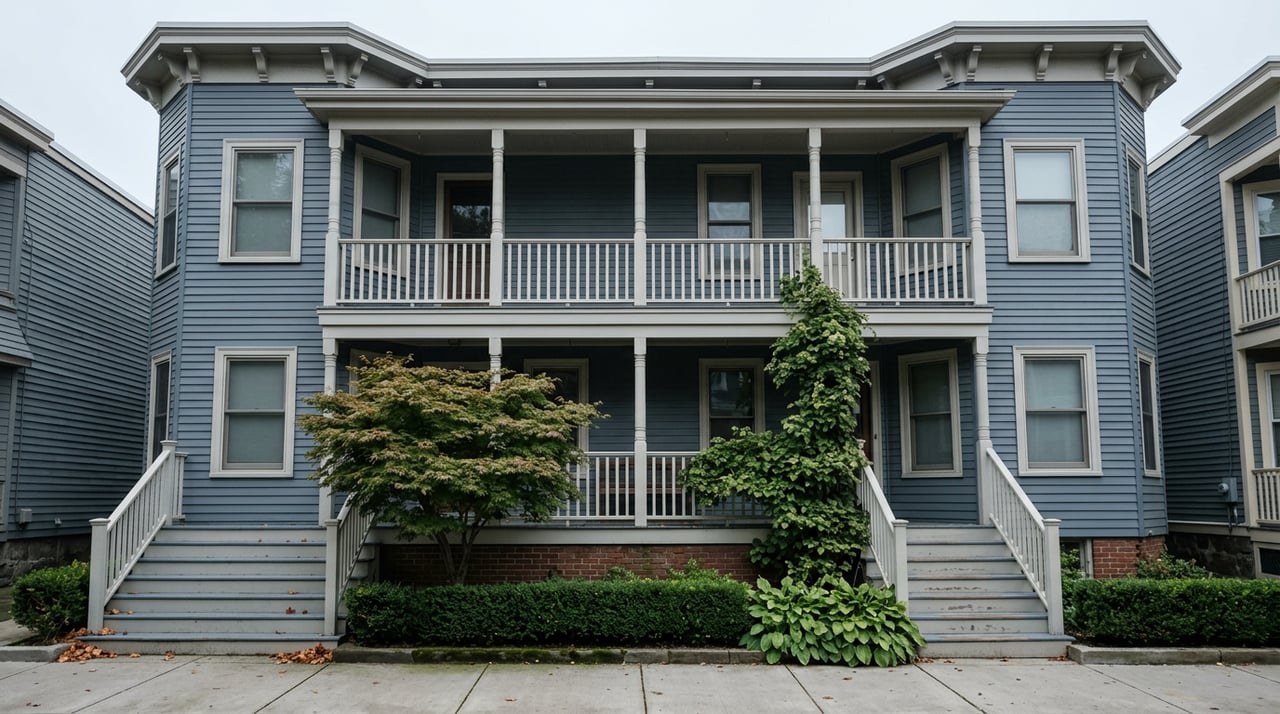
Choosing between a Back Bay brownstone and a high-rise condo is not just about taste. In this part of Boston, your decision shapes how you live day to day, what you pay each month, and how much building oversight comes with ownership. If you are weighing charm against convenience, this guide will help you compare the tradeoffs clearly and make a choice that fits your lifestyle. Let’s dive in.
Why this choice matters in Back Bay
Back Bay offers one of Boston’s clearest contrasts between historic homes and modern tower living. That is partly because the neighborhood is not just old, it is a protected historic district.
The City of Boston says the Back Bay Architectural District was established in 1966 and later expanded several times. The neighborhood itself was created through mid-19th-century landfilling over former tidal flats, adding more than 450 acres of usable land by the 1880s. For you as a buyer, that means ownership here can involve architectural rules and review processes, especially for exterior work.
Any proposed exterior changes in the district must be reviewed by the Back Bay Architectural Commission before work begins. That matters more than many buyers expect, especially if you are drawn to a brownstone and think you may want to change windows, adjust a stoop, or update another exterior feature later.
Brownstones: historic character and small-building living
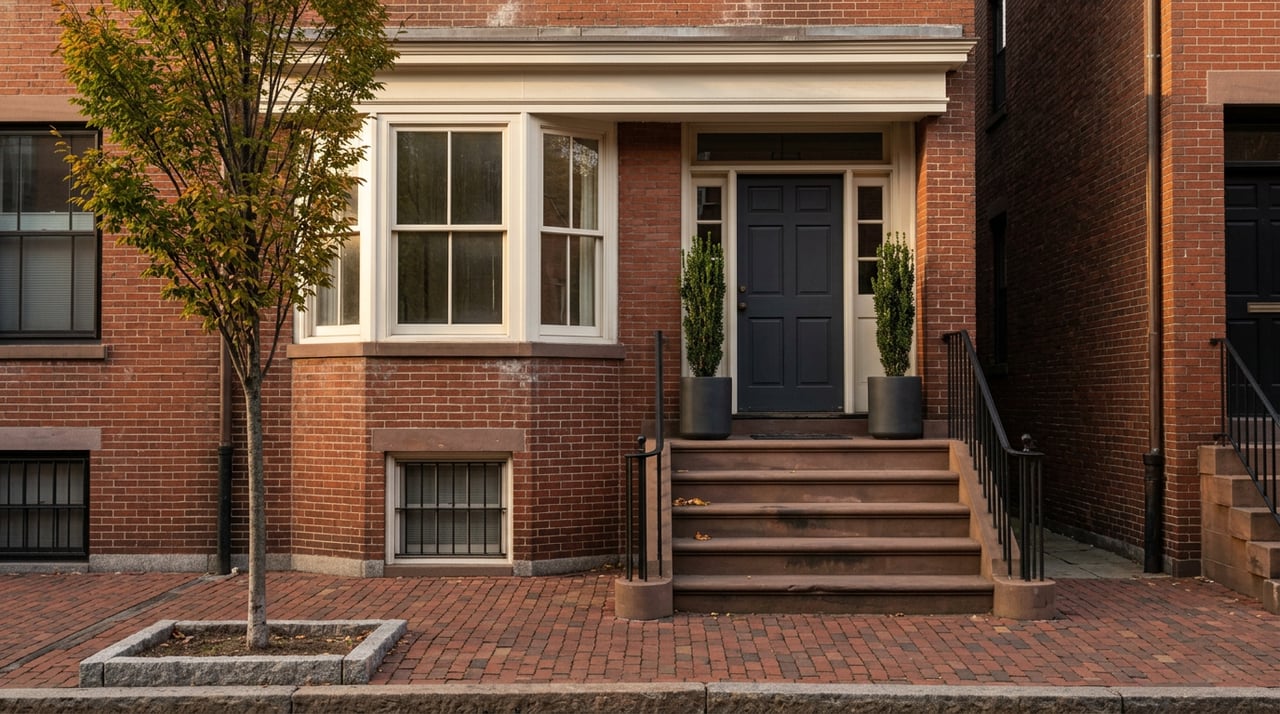
If you picture Back Bay as rows of elegant brick homes with stoops, bay windows, and period detail, you are probably picturing brownstone living. These homes often appeal to buyers who want a stronger connection to the neighborhood’s architectural identity and a more intimate building feel.
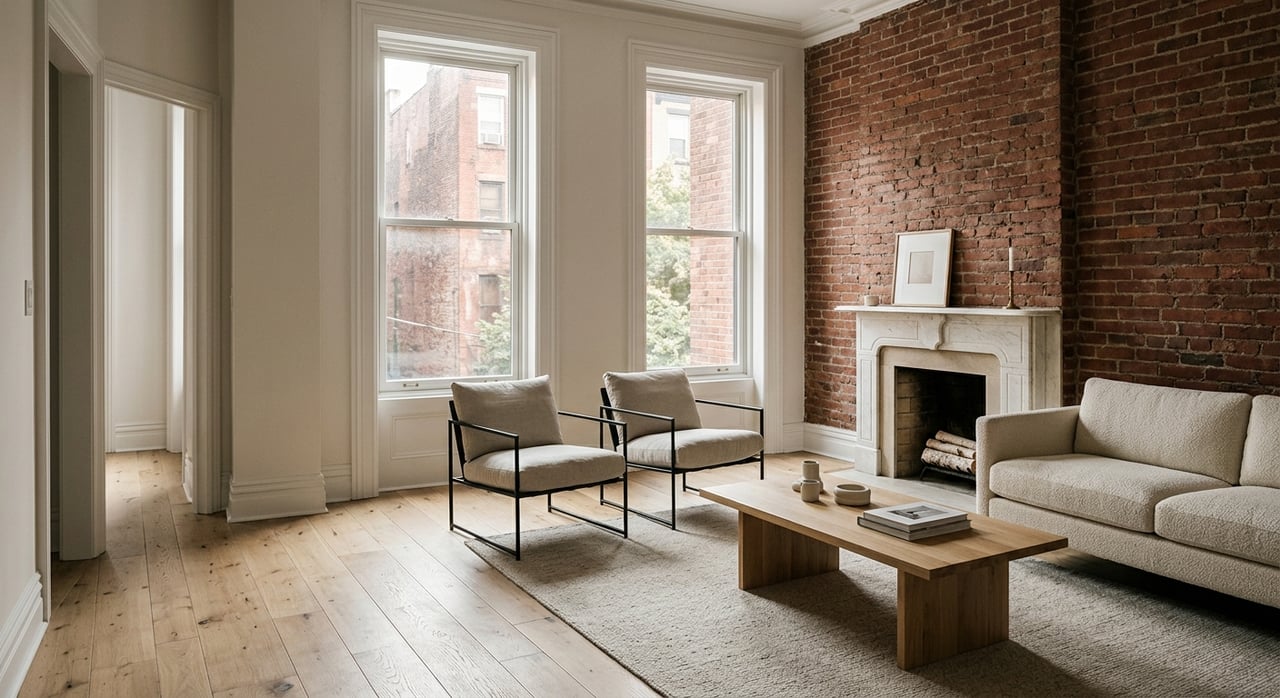
Inside, brownstone condos often favor character over efficiency. Current listings show features like hardwood floors, original detail, ornamental mantels, fireplaces, and divided living spaces rather than large open layouts.
A current example at 481 Beacon Street is a 2-bedroom, 1-bath condo with 820 square feet, priced at $819,000 with $711 per month in HOA dues. The listing highlights original details, hardwood floors, ornamental mantels, a modern kitchen, and bedrooms placed at opposite ends for privacy.
Brownstone layouts can also offer duplex living or more private outdoor space. A recent sale at 457 Beacon Street #5 included 1,188 square feet across two levels, a private backyard, transferable parking, and $290 per month in HOA dues.
That said, brownstone living often comes with tradeoffs. The city’s own guidelines note that access in attached rowhouse districts can be complicated because these buildings often have only two elevations and architecturally significant high stoops. In practical terms, that can mean more stairs and fewer easy ways to adapt the building layout.
Who brownstones often fit best
Brownstones tend to work well if you value:
- Period detail and historic texture
- A smaller-building atmosphere
- Features like bay windows, fireplaces, or duplex layouts
- A more residential street feel
- The possibility of private outdoor space in some properties
They may be a less natural fit if you want elevator access, full-service staffing, or a lower-touch ownership experience.
High-rise condos: service, amenities, and ease
Back Bay’s high-rise condos create a very different ownership experience. Instead of a small-building, character-first environment, these properties are built around convenience, staffing, and amenity access.
A current listing at The Clarendon, 400 Stuart Street, shows what that can look like. The 2-bedroom, 2.5-bath home offers 1,561 square feet and is listed at $2,850,000 with $2,047 per month in HOA dues. The building highlights 24-hour concierge service, a doorman, valet parking, a fitness center, a children’s room, a club lounge, a library, a conference room, and a landscaped sun terrace.
At the upper end of the market, a current 2-bedroom, 2-bath residence at One Dalton offers 1,288 square feet and is listed at $3,395,000 with $3,673 per month in HOA dues. The listing highlights a spa, gym, virtual golf, club lounge, concierge service, valet parking, and one garage space.
The appeal here is not just the interior finishes. It is the daily ease that comes with elevators, staffing, garage logistics, security features, and a professionally managed building environment.
Who high-rises often fit best
High-rise condos tend to fit buyers who want:
- Concierge or doorman support
- Elevator access
- Valet or garage parking
- Shared amenities like fitness space or lounges
- A more predictable, professionally managed ownership experience
- Less involvement in day-to-day building concerns
For busy professionals or downsizers, that service-first setup can feel worth the higher monthly cost.
Comparing monthly costs and HOA fees
One of the biggest differences between Back Bay brownstones and high-rise condos shows up in monthly carrying costs. Brownstones are not automatically inexpensive, but their HOA dues can be materially lower than those in full-service towers.
The examples in current and recent listings show that range clearly. The brownstone at 481 Beacon carries $711 per month in HOA dues, while the recent sale at 457 Beacon carried $290 per month. By comparison, The Clarendon is listed with $2,047 per month in dues, and One Dalton carries $3,673 per month.
Those higher tower fees are not just about square footage. They often reflect staffing, security, amenity maintenance, reserve funding, insurance components, and shared services that shift more building responsibility into one monthly payment.
Massachusetts condo law also makes fees more important than they may first appear. The state explains that common expenses are assessed under the condominium budget, condo fees are usually paid monthly, and all condominiums must maintain a replacement reserve fund collected as part of common expenses.
So when you compare dues, it helps to ask not only how much they are, but also what they cover and how the building budgets for future needs.
Maintenance responsibilities feel different
The real divide in Back Bay is often less about old versus new and more about character-and-intimacy versus amenity-and-service. That difference becomes especially clear when you think about maintenance.
In a brownstone, the association may be smaller, the building may be older, and fee structures can vary a lot depending on the size of the association, reserve strength, and which upkeep costs are included in the budget. Some limited common areas may also be assigned to a specific unit owner for maintenance under Massachusetts condo law.
In a high-rise, many building responsibilities are bundled into the monthly fee. The current listing at 400 Stuart says the association fee includes heat, gas, water, sewer, insurance, security, maintenance of the structure and grounds, road maintenance, snow removal, trash, air conditioning, and reserve funds.
That does not mean high-rise ownership is cheaper. It means more of the building burden is centralized and easier to predict month to month.
Insurance is not fully covered by the building
No matter which property type you choose, it is important to understand the difference between the association’s policy and your own coverage. The Massachusetts Division of Insurance says condo associations usually carry policies for the building, including common walls and grounds.
But that does not replace your need for unit-level coverage. The state notes that unit owners still need insurance for what the master policy does not cover, which is why buyers should expect to carry an HO-6 policy even in a full-service building.
This is one of those details that can get missed during the excitement of a search. It is worth reviewing early so you can budget accurately.
Historic review matters more for brownstones
Back Bay’s historic protections are part of what makes the neighborhood so visually distinct. They are also part of what can make ownership more complex.
If you buy in the district and later want to replace windows, alter a façade feature, or modify a stoop, the Back Bay Architectural Commission review process can affect your timeline, approvals, and project cost. While these rules apply across the district, they are often more front-of-mind for brownstone owners because exterior architectural details are such a defining part of the property.
For many buyers, this is not a negative. It is part of what preserves the neighborhood’s look and feel. Still, it is important to see it as a practical ownership factor, not just a background planning detail.
Which option fits your lifestyle best?
If you are deciding between these two property types, the best filter is usually not style first. It is lifestyle first.
A brownstone may be the right fit if you want architectural detail, a smaller-building experience, and you do not mind stairs or the occasional older-building quirk. A high-rise may make more sense if you value convenience, security, elevator access, and bundled services that reduce the number of building decisions on your plate.
A simple way to frame it is this: choose the building type whose monthly service load, accessibility, and maintenance expectations match how you actually want to live. Then compare finishes, layouts, and aesthetics once you know the ownership model works for you.
If you are comparing Back Bay homes and want clear, practical guidance on what fits your budget and day-to-day needs, Pondside Realty can help you sort through the tradeoffs and move forward with confidence.
FAQs
What is the biggest difference between a Back Bay brownstone and a Back Bay high-rise condo?
- The biggest difference is often lifestyle. Brownstones usually offer historic detail and a smaller-building feel, while high-rises usually offer elevators, staffing, amenities, and a more service-driven ownership experience.
Are HOA fees usually lower in Back Bay brownstones than in Back Bay high-rises?
- They can be. The examples in current and recent listings show brownstone dues at $290 and $711 per month, compared with $2,047 and $3,673 per month in the high-rise examples.
Do Back Bay brownstone owners need to think about historic district rules?
- Yes. Back Bay is a protected historic district, and proposed exterior work must be reviewed by the Back Bay Architectural Commission before it begins.
Do Back Bay high-rise condo owners still need their own insurance policy?
- Yes. According to the Massachusetts Division of Insurance, condo associations usually insure the building and common areas, but unit owners still need coverage for what the master policy does not cover.
Are Back Bay brownstones harder to access than Back Bay high-rises?
- They can be. The city notes that attached rowhouse districts often have architecturally significant high stoops and only two elevations, which can make access more complicated than in elevator buildings.
How should a buyer choose between a Back Bay brownstone and a Back Bay high-rise condo?
- Start by comparing your comfort with monthly fees, maintenance expectations, and accessibility needs. Once the ownership model fits your lifestyle, you can narrow your choice based on layout, style, and finishes.